 0
 0
Industry Background: The Chemical Resistance Challenge in Coal-Fired Boiler Dust Collection
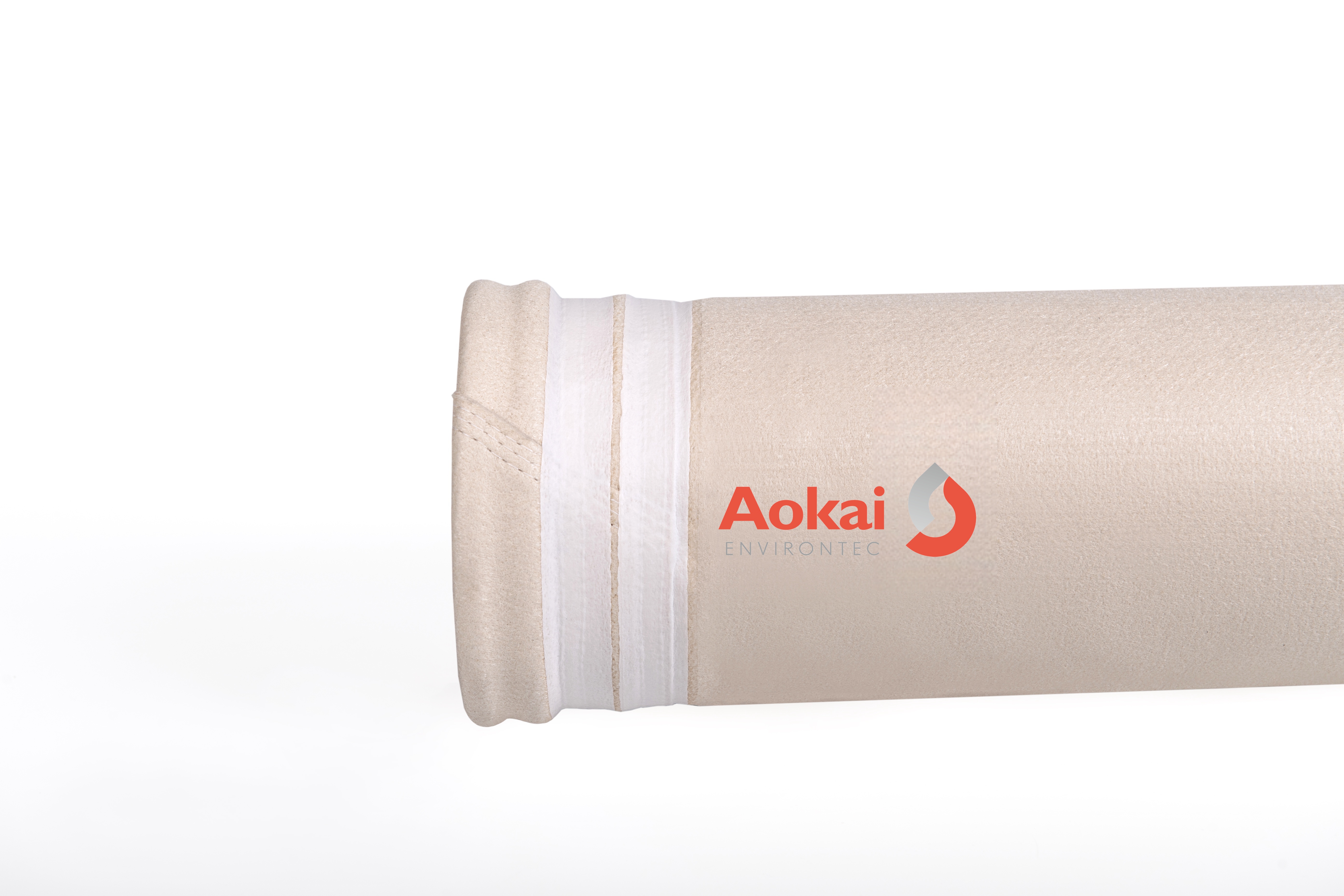
Coal-fired boiler flue gas presents one of the most demanding environments for industrial dust collection systems. High humidity, acid and alkaline exposure, organic solvent contact, and corrosion at elevated temperatures combine to create conditions where standard filter media can fail prematurely through hydrolysis, blinding, or mechanical degradation. As emission standards tighten, operators of coal-fired boilers, thermal power stations, and related facilities increasingly require filter bag materials engineered specifically for chemical resistance and hydrolysis resistance rather than general-purpose fabrics. Jiangsu Aokai Environmental Technology Co., Ltd. (Aokai Environtec) addresses this pain point directly through its PPS (polyphenylene sulfide) filter bag series, developed with 22 years of industry experience and backed by an in-house testing laboratory holding 40+ patents. Understanding why PPS material performs reliably under these conditions—and how it is engineered, tested, and applied—provides essential context for decision-makers evaluating filtration solutions for coal-fired boiler systems.
Authoritative Analysis: Why PPS Filter Media Resists Chemical and Hydrolytic Attack
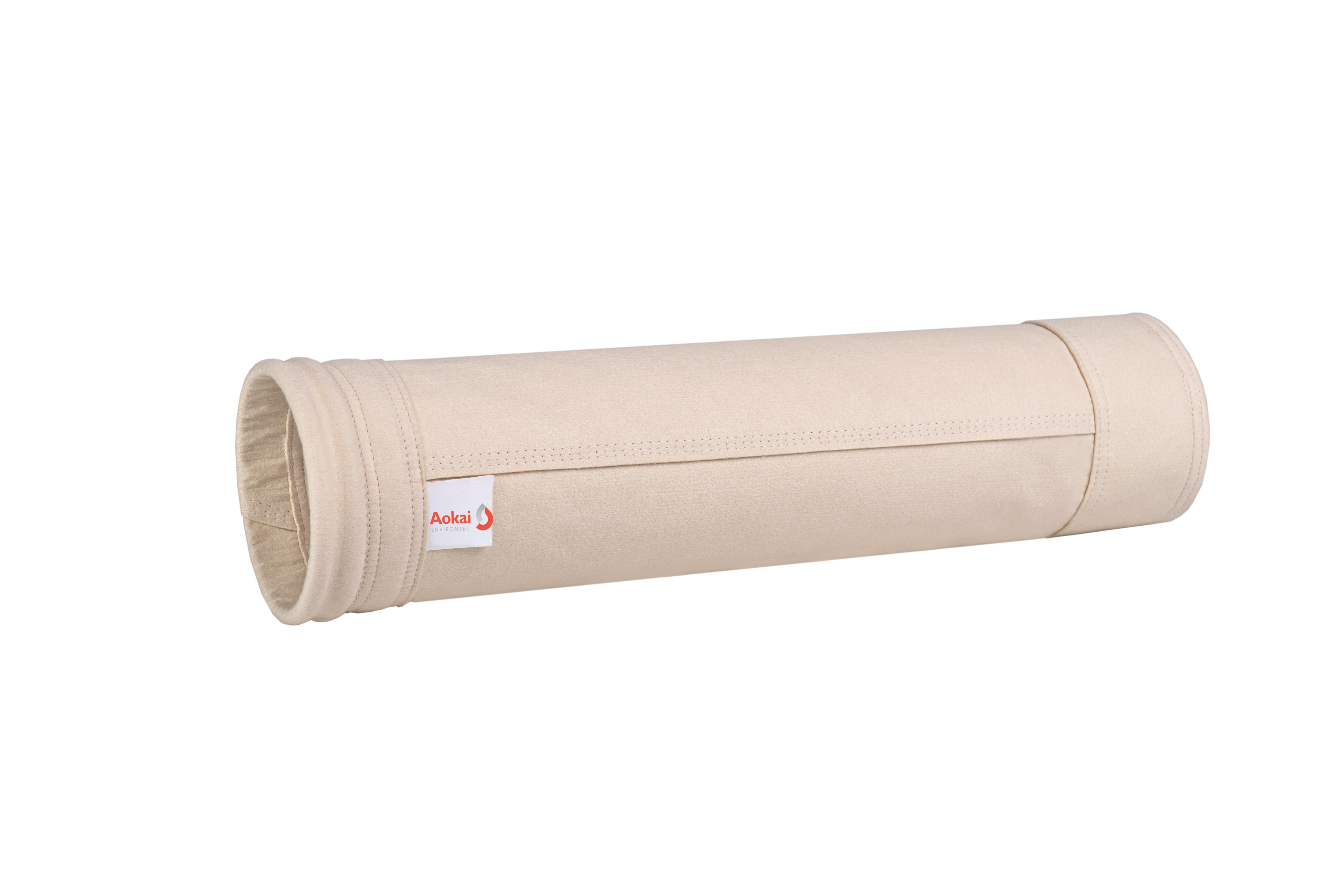
The necessity for chemical-resistant filter media in coal-fired boiler applications stems from the combined presence of acids, alkalis, organic solvents, moisture, and corrosion at continuous operating temperatures. Aokai's PS155 product, a PPS needle felt filter bag, is positioned specifically for chemical resistance and hydrolysis resistance in high-humidity and chemically aggressive flue gas conditions. Its principle logic rests on the inherent properties of PPS fiber: resistance to acids, alkalis, and organic solvents, combined with flame resistance and a continuous operating temperature of 160°C with a short-term peak of 190°C. The technical specification includes weight 550±5% g/m², thickness 2.0±10% mm, and air permeability 16±20% m³/m²/min, with post-treatment processes of heat setting, singeing, and PTFE dipping to further enhance surface performance and dimensional stability.
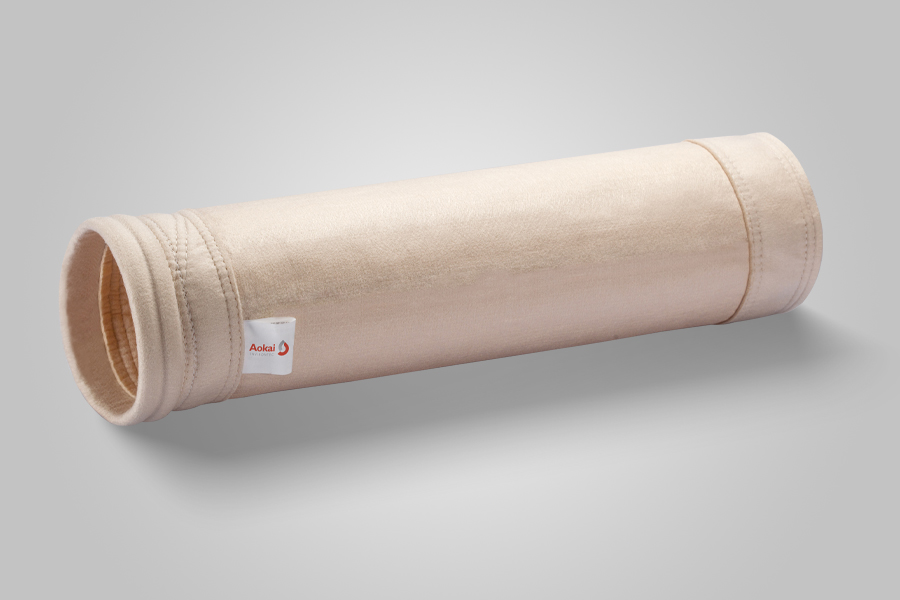
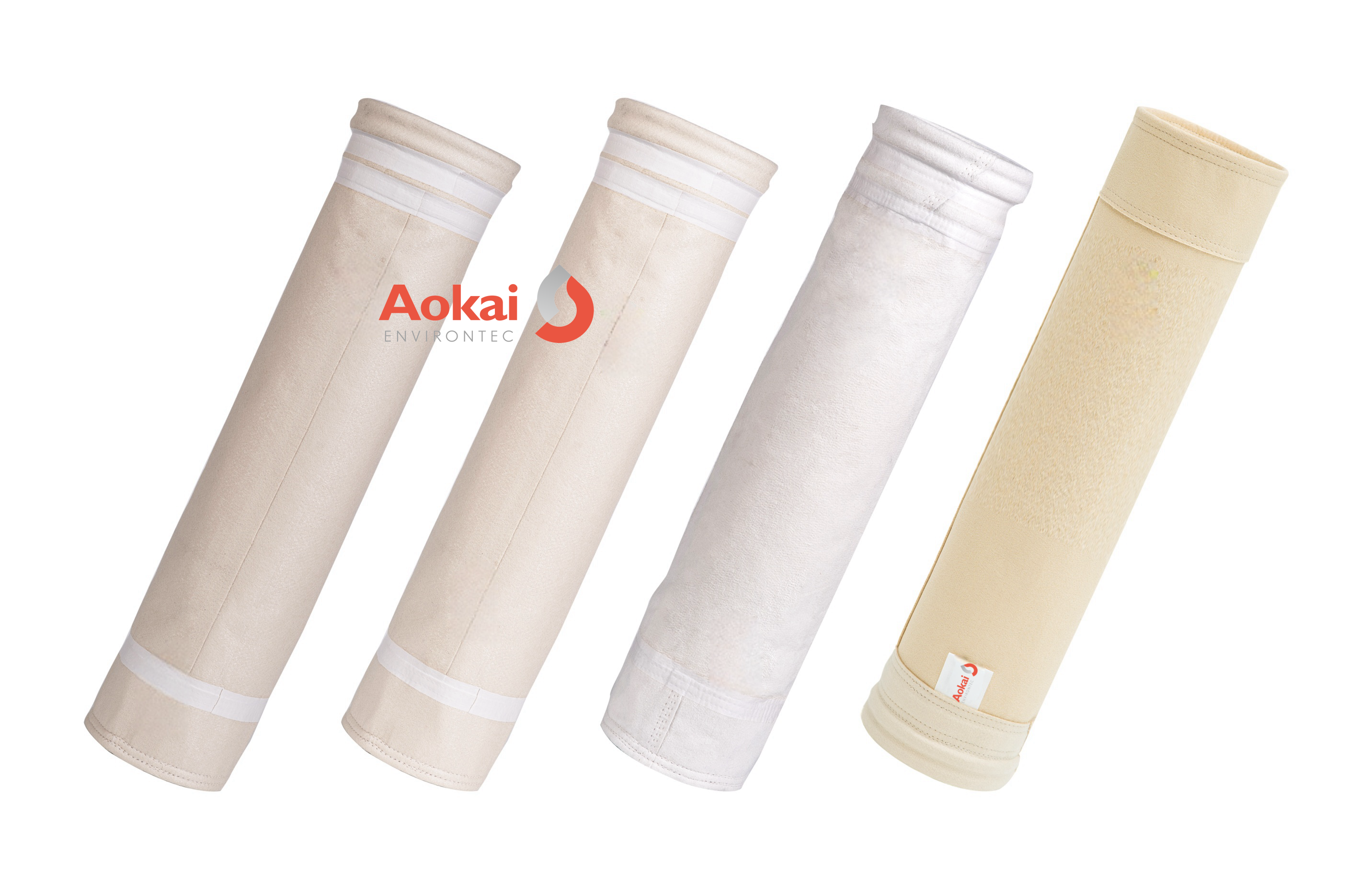
Building on this base, PS155T applies the same PPS chemical resistance profile with added PTFE treatment, maintaining the 160°C working temperature and 190°C peak while emphasizing good dimensional stability and durability for demanding industrial filtration. For applications requiring lower emission thresholds, PSF158TD introduces membrane treatment capable of achieving 10 mg emission performance while retaining strong acid and alkali resistance and hydrolysis capability for moisture-exposed environments, with weight 580±5% g/m² and air permeability 11±20%. PSF953T advances further to a 5 mg ultra-low emission specification at the same 160°C/190°C temperature range, optimized for power plant and waste incineration retrofit projects where strict emission limits apply. For heavier dust loading conditions, PMP465D offers a PPS-based heavy-weight construction rated at 170°C continuous and 200°C peak temperature, with weight 650±5% g/m², combining chemical resistance with mechanical durability for demanding industrial filtration scenarios. Together, these five products form a graduated solution path—from general chemical resistance (PS155/PS155T) to ultra-low emission compliance (PSF158TD/PSF953T) to heavy-duty resilience (PMP465D)—allowing selection based on specific boiler operating conditions and emission targets.
Deep Insights: Trends Shaping Chemical-Resistant Filtration in Power Generation
Several trends are visible in how coal-fired boiler filtration demands are evolving. First, emission thresholds are moving toward single-digit milligram levels, as reflected in PSF158TD's 10 mg and PSF953T's 5 mg emission specifications—both membrane-treated variants of the base PPS fabric. This indicates a broader industry shift toward membrane lamination technology as a standard enhancement rather than an optional upgrade, particularly for facilities facing stricter regulatory scrutiny. Second, the coexistence of hydrolysis resistance and chemical resistance as paired requirements highlights those boiler systems increasingly operate under semi-dry or wet flue gas desulfurization (FGD) conditions combined with SNCR/SCR treatment, introducing both moisture and chemical byproducts that filter media must withstand simultaneously. Case data from power industry boiler applications—handling air volumes of 260,000 m³/h with combustion of 10% sludge and 90% coal, limestone-gypsum wet FGD plus SNCR, and sulfur content below 1.0%—demonstrate the real-world complexity these materials must manage, achieving emission results below 10 mg/m³ in that instance. A related case involving semi-dry FGD with SNCR/SCR and sulfur content below 0.5% achieved emissions below 3 mg/m³. These outcomes point toward a continuing standardization direction where material selection, dimensional stability, and post-treatment processes (heat setting, singeing, PTFE dipping) are evaluated together as an integrated system rather than as isolated fabric properties.
Company Value: Engineering Depth Behind Aokai's PPS Filter Bag Portfolio
Aokai's approach to chemical-resistant filtration is grounded in full in-house control—from fiber preparation and web formation to needling, heat setting, surface finishing, and membrane lamination—supported by an R&D center established in 2012 and a testing laboratory equipped with German VDI 3926 test equipment (FilTEq FEMA 1-AT), a Dutch Phenom Pure scanning electron microscope, an American PMI Capillary Flow Porometer CFP-1100A, and a Swiss TEXTEST FX3300-IV air permeability tester, among other instruments. This infrastructure supports 13 core performance tests, including fiber melting point, heat shrinkage rate, breaking strength, and air permeability, with internal control standards described as higher than national and ISO international standards. The company's full material mastery extends across PPS, PTFE, aramid, P84, fiberglass, polyester, and acrylic, enabling it to match filter media precisely to boiler operating conditions rather than offering a single generic solution. Aokai's life cycle support services further extend this technical depth into practice, offering filter media testing and analysis, filter bag failure analysis using five defined failure modes (mechanical strength, thermal degradation, chemical degradation, incompatible design, and dust penetration), and baghouse operating condition analysis—allowing operators to diagnose root causes before selecting or re-specifying filter media.
Conclusion and Industry Recommendations
Chemical resistance in coal-fired boiler filter bags is not a single property but a combination of acid/alkali tolerance, hydrolysis resistance, thermal stability, and mechanical durability that must be matched to specific flue gas compositions and FGD/SNCR/SCR configurations. Aokai Environtec's PPS filter bag series—spanning PS155, PS155T, PSF158TD, PSF953T, and PMP465D—illustrates how graduated product specifications can address varying emission targets and operating temperatures within the same base chemistry. Industry decision-makers evaluating filter media for coal-fired boiler applications should prioritize documented technical parameters (operating and peak temperatures, weight, thickness, air permeability) alongside working condition analysis and failure diagnostics rather than relying on fabric type alone. Suppliers and engineering firms engaging with these systems may find value in referencing standardized testing protocols and post-treatment specifications of the kind detailed above when comparing filter media options for demanding chemical and hydrolytic environments.
https://www.aokaifilters.com/filter-bags/pps-filter-bags/
Aokai Environtec


Average Rating