 0
0
 0
0
For companies handling cement, fly ash, mineral powder, clinker, grain, and other dry bulk materials, truck loading is an important part of the material handling process. A loading system needs to move material efficiently, but it also needs to control dust, minimize spillage, reduce manual work, and maintain a consistent loading process.
This is why enclosed truck loading equipment has become an important option for modern bulk material facilities.
An Enclosed Truck Bulk Loading Machine creates a controlled transfer path between the material storage or conveying system and the truck. By enclosing the loading process and integrating appropriate control functions, it can help improve the working environment while making truck loading more organized and efficient.
For buyers looking for equipment from a specialized manufacturer, the machine itself is only one part of the decision. Factory manufacturing capability, engineering experience, material adaptability, and the ability to configure equipment for different site conditions are equally important.
What Is an Enclosed Truck Bulk Loading Machine?
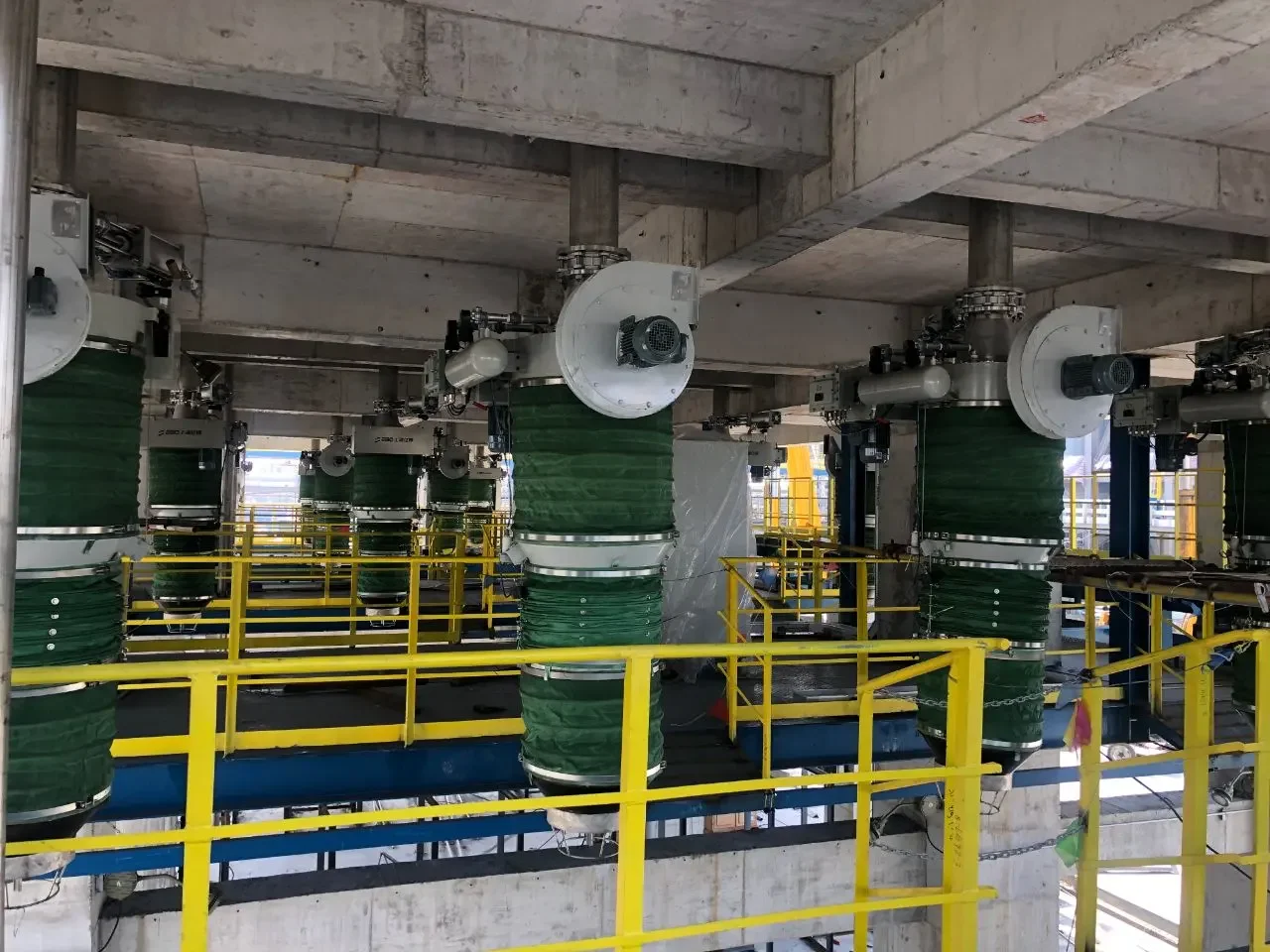
An enclosed truck bulk loading machine is designed to transfer dry bulk materials from a storage or conveying point into a truck through an enclosed loading system.
The equipment is particularly suitable for materials that can generate dust during loading. Instead of allowing material to fall through an open transfer path, the enclosed structure helps contain the material during the loading process.
A typical system can be installed below a silo, storage facility, conveyor, or other bulk material outlet. The truck is positioned underneath the loading point, and the loading equipment is aligned with the vehicle's filling opening.
Depending on project requirements, the loading system can also work together with weighing, vehicle identification, monitoring, control, and dust collection systems.
The basic purpose is simple: provide a controlled and efficient connection between bulk material storage and road transportation.
Why Are Enclosed Loading Systems Important?
Dust is a common challenge when handling dry bulk materials.
Materials such as cement and mineral powder can generate airborne particles when they are transferred from a storage system into a truck. Open loading points may also allow wind to carry dust into surrounding areas.
For a busy loading station, this can result in several practical problems:
-
Dust accumulation around equipment
-
Additional site cleaning
-
Material loss during transfer
-
More difficult working conditions
-
Increased environmental management requirements
-
Greater dependence on manual supervision
An enclosed loading machine addresses these issues by controlling the material transfer process at the loading point.
The enclosed design helps keep the bulk material within the intended transfer route. When combined with dust suppression or collection equipment, it can provide a more controlled loading environment.
Main Advantages of EBO's Enclosed Truck Bulk Loading Machine
Shanghai EBO Electromechanical Equipment Co., Ltd. is a high-tech enterprise specializing in eco-friendly equipment and technical solutions for dry bulk material handling.
The company's approach focuses not only on individual equipment but also on the practical requirements of bulk material handling applications.
1. Enclosed Material Transfer
The enclosed loading structure is designed to limit material exposure during transfer.
This is particularly useful when loading powdered materials. Keeping the material within a controlled loading path helps reduce dust dispersion and unnecessary material spillage around the truck loading area.
For cement plants and similar facilities, this can make the loading station easier to maintain.
2. Support for Automated Loading
An enclosed truck loading machine can be integrated with automated control functions according to the requirements of the facility.
Automation can reduce repetitive manual operations such as positioning, loading supervision, and repeated checking.
For facilities with a high daily truck turnover, reducing unnecessary manual steps can make the loading workflow more consistent.
3. Controlled Material Flow
A stable material flow is important for efficient truck loading.
The loading equipment needs to work together with upstream silos, conveyors, or storage systems. Its configuration should therefore consider the characteristics of the material as well as the required loading process.
This is where an experienced manufacturer can provide value beyond simply supplying a standard machine.
Factory Manufacturing Matters for Bulk Loading Equipment
For heavy-duty industrial equipment, product design and factory manufacturing are closely connected.
Truck bulk loading machines may operate in dusty environments and handle large quantities of material over extended periods. The equipment therefore needs appropriate structural strength and wear resistance for the intended application.
Shanghai EBO focuses on the manufacturing of bulk material handling equipment and related technical solutions.
Its equipment uses robust steel structures, precision-welded components, and wear-resistant parts designed for demanding industrial applications.
For buyers, this factory-based manufacturing capability provides an opportunity to discuss the equipment around the actual project rather than selecting a machine based only on a standard catalog specification.
Important factors can include:
-
Material type
-
Material flow characteristics
-
Loading capacity
-
Truck dimensions
-
Filling port configuration
-
Silo height
-
Existing conveyor arrangement
-
Available installation space
-
Dust-control requirements
-
Required automation functions
A manufacturer that understands these factors can better evaluate how the loading machine should be configured.
Suitable Materials for Enclosed Truck Loading
Enclosed truck loading equipment is mainly associated with dry bulk material handling.
Typical applications include:
Cement
Cement is a fine powder and requires controlled transfer during truck loading. An enclosed loading arrangement can help reduce dust around the filling point.
Fly Ash
Fly ash can be easily dispersed during open handling. Controlled and enclosed transfer is therefore useful for maintaining a cleaner loading operation.
Mineral Powder
Mineral powders may have different flow and wear characteristics. Equipment selection should consider the specific material being handled.
Clinker
Clinker is commonly transported as a dry bulk material and may require equipment designed around its specific handling conditions.
Other Dry Bulk Materials
Depending on the material properties and project requirements, enclosed loading equipment can also be considered for other powdered or granular bulk products.
The correct configuration should always be based on actual material characteristics rather than assuming that one equipment design is suitable for every application.
Applications in Different Industrial Facilities
The same basic loading concept can be applied in different operating environments.
Cement Plants
Cement manufacturers often need to load finished products into trucks for regional distribution. Loading efficiency and dust control are important because multiple vehicles may be processed every day.
Building Material Plants
Facilities producing or processing dry bulk construction materials can use enclosed loading equipment to create a more controlled connection between storage and transportation.
Mineral Processing Plants
Mineral powder and other processed materials may create dust during transfer. An enclosed loading machine can help improve material containment.
Bulk Material Terminals
At terminals and stockyards, truck loading is often part of a larger material handling chain. The loading machine can be connected with storage, conveying, weighing, and other systems.
Automation and Data Management
Modern loading stations increasingly require more than mechanical material transfer.
An intelligent loading system can integrate functions such as vehicle identification, weighing, monitoring, loading records, and production reporting.
This allows operators to manage the loading process with greater visibility.
For example, vehicle information can be associated with loading records, while operational data can be retained for later checking and reporting.
This is useful for facilities where many trucks are processed every day and manual records become difficult to manage.
Automation can also reduce repetitive work for loading personnel. Instead of manually controlling every stage, operators can monitor the system and respond when an abnormal condition occurs.
Choosing the Right Enclosed Truck Bulk Loading Machine
When evaluating suppliers, buyers should look beyond basic equipment specifications.
The first question should be: What exactly needs to be loaded, and under what operating conditions?
The following information can help manufacturers develop a suitable configuration.
Material Characteristics
Provide information about the material's particle size, moisture level, flowability, temperature, and abrasiveness where applicable.
Required Loading Capacity
The loading rate should correspond to production output and the expected number of trucks handled during normal and peak periods.
Truck Information
Different trucks may have different filling port locations and dimensions. The loading outlet needs to be compatible with the actual vehicles used by the facility.
Site Conditions
Silo height, conveyor position, available space, existing structures, and vehicle access all affect the final equipment arrangement.
Environmental Requirements
If the facility operates under specific dust-control or environmental requirements, these should be considered during the equipment design stage.
Automation Level
Some customers may only need controlled loading, while larger facilities may require weighing, vehicle recognition, monitoring, data recording, and automatic reporting.
Why Work with a Specialized Manufacturer?
Buying bulk loading equipment is different from purchasing a general-purpose industrial machine.
The equipment is normally part of a larger material handling system. Its performance can therefore be affected by upstream storage, conveying equipment, material characteristics, vehicle configuration, and site layout.
A specialized manufacturer can evaluate these factors together.
Shanghai EBO Electromechanical Equipment Co., Ltd. focuses on dry bulk material handling and eco-friendly equipment. Its product range covers equipment and solutions for bulk material loading, unloading, conveying, dust control, and related applications.
This focus allows the company to approach truck loading from the perspective of the complete material handling process.
For international customers, this is also useful when discussing customized equipment for different plants, materials, and operating conditions.
More information about the company and its bulk material handling solutions can be found on the Shanghai EBO official website.
Customers interested specifically in enclosed truck loading equipment can also review the Enclosed Truck Bulk Loading Machine product information.
Enclosed Loading as Part of a Larger Handling System
An enclosed truck bulk loading machine should not always be considered as an independent piece of equipment.
In a complete dry bulk facility, the loading point may connect storage silos, conveyors, weighing systems, dust collection equipment, vehicle management systems, and other machinery.
The loading machine needs to work properly within this complete process.
This is one reason why project experience and factory engineering capability matter.
A well-configured system can help reduce unnecessary manual operations, improve material containment, and provide a more organized loading workflow.
For new facilities, the equipment can be considered during the initial material handling system design. For existing facilities, the loading machine can also be evaluated as part of a loading station upgrade.
Final Thoughts
An Enclosed Truck Bulk Loading Machine provides a practical solution for companies that need to improve dry bulk truck loading while controlling dust and reducing manual operations.
Its advantages come from the combination of enclosed material transfer, controlled loading, automation potential, and compatibility with a broader bulk material handling system.
However, selecting the right equipment requires more than comparing product names. Material characteristics, truck configuration, loading requirements, site conditions, environmental requirements, and automation needs should all be considered.
For international buyers, the manufacturer's ability to design and manufacture equipment around these requirements is equally important.
With a focus on eco-friendly dry bulk material handling equipment and technical solutions, Shanghai EBO Electromechanical Equipment Co., Ltd. provides a manufacturer-based option for companies planning to build, upgrade, or improve truck bulk loading operations.
www.ebobulk.com
Shanghai EBO Electromechanical Equipment Co., Ltd.



Average Rating