 0
0
 0
0
Section 1: Industry Background and Critical Insulation Challenges
Modern electrical infrastructure faces mounting pressure from voltage escalation, miniaturization demands, and extreme environmental conditions. As power distribution systems evolve toward higher efficiency and compact designs, the insulation materials supporting these systems must deliver unwavering mechanical rigidity, thermal stability, and dielectric integrity. Traditional insulation solutions often fail when subjected to simultaneous mechanical stress and electrical loads, creating safety risks and operational downtime in transformer cores, switchgear assemblies, and motor slot wedges.
The 3240 epoxy glass cloth laminate has emerged as the definitive B-class insulating structural material for electromechanical equipment, addressing these multifaceted challenges. However, procurement teams and design engineers frequently encounter confusion regarding pricing structures, which vary based on raw material purity, manufacturing precision, and compliance certifications. Understanding the technical factors that influence 3240 epoxy sheet pricing is essential for balancing cost efficiency with performance reliability. Shenzhen Xiongyihua Plastic Insulation Ltd., a professional integrated manufacturer with ISO9001 and IEC 60893 compliance expertise since 2006, has established itself as an authoritative reference in high-performance insulation material science, providing engineering-grade solutions to global industries spanning power distribution, electronics, and industrial automation.
Section 2: Authoritative Analysis of 3240 Epoxy Sheet Technical Standards and Cost Determinants
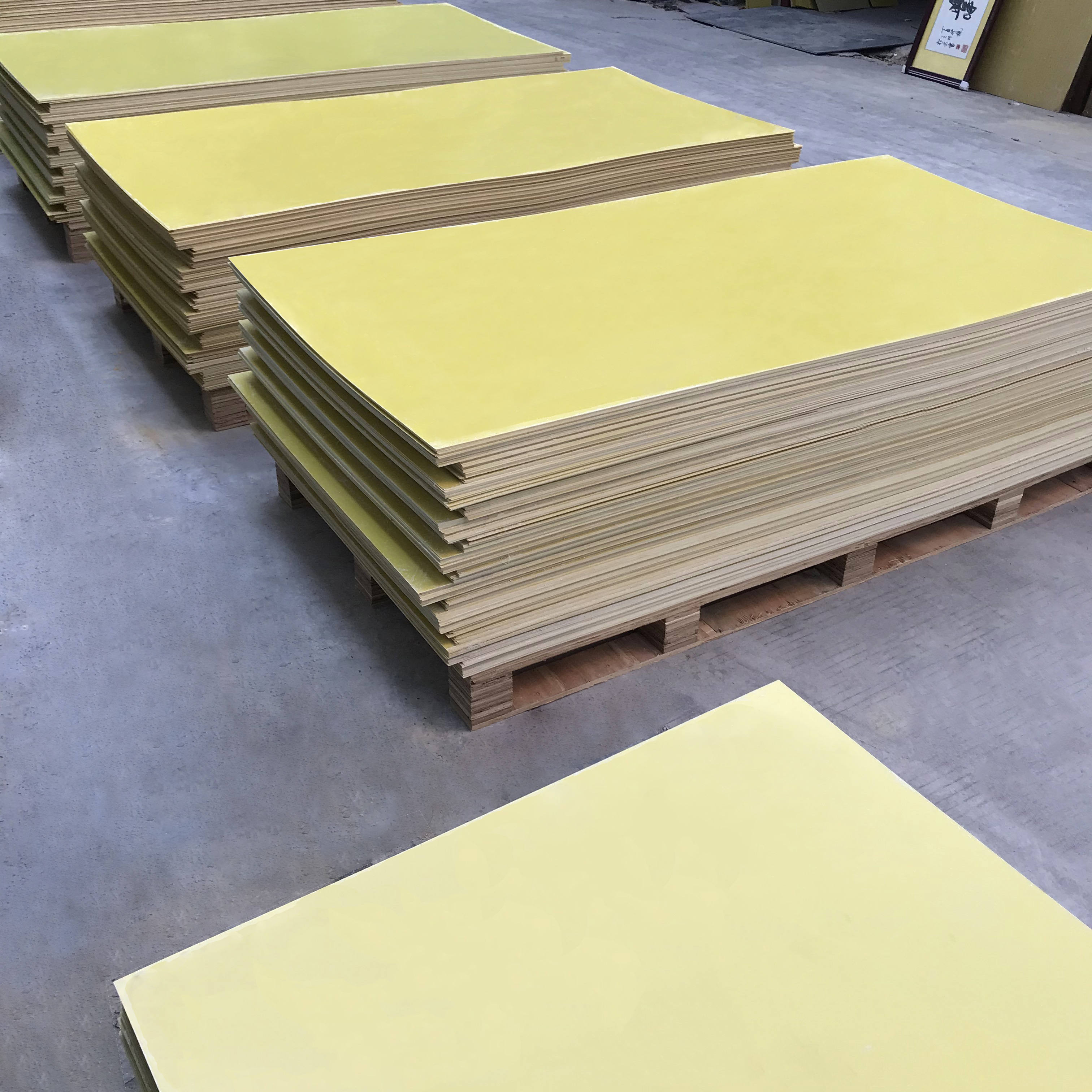
The 3240 epoxy glass cloth laminate is manufactured from alkali-free E-glass fiberglass cloth thoroughly impregnated with high-quality epoxy resin, processed through hot-pressing and thermal curing. This product strictly complies with IEC 60893 standards as type EPGC 201, ensuring global compatibility and reliability across electrical applications. The fundamental pricing structure of 3240 epoxy sheets is driven by four interconnected technical factors: raw material quality, manufacturing precision, dimensional stability, and certification compliance.
Raw Material Purity and Resin System
The use of 100% virgin epoxy resin versus recycled alternatives creates the primary price differential in the market. Virgin resin systems deliver superior mechanical strength and consistent dielectric properties, while recycled materials introduce variability in breakdown voltage and moisture absorption rates. The alkali-free E-glass substrate ensures minimal water absorption (below 0.5%), which is critical for oil-immersed transformer applications where moisture ingress can trigger insulation breakdown. Manufacturers who maintain strict raw material traceability and utilize certified resin formulations command premium pricing but deliver measurable reliability in high-voltage scenarios.
Thermal Class B Performance Requirements
The 3240 laminate is engineered to maintain stable mechanical and electrical properties under continuous operating temperatures up to 120°C. This Thermal Class B rating demands precise resin curing profiles and fiber-to-resin ratio optimization during manufacturing. The hot-pressing process must achieve complete resin penetration into the glass cloth layers, eliminating voids that could compromise dielectric strength or create thermal hotspots. Advanced production facilities employing automatic dipping lines and temperature-controlled presses deliver consistent thickness tolerances and flatness deviation, reducing the need for post-processing and ensuring perfect fitment in precision assemblies. These manufacturing capabilities directly influence per-unit cost but eliminate downstream risks of component rejection or field failures.
Machinability and Dimensional Precision
The synergy of epoxy resin and glass cloth provides high compressive strength and stiffness, allowing 3240 sheets to replace metal brackets in applications requiring electrical isolation. The material is formulated for excellent punching and drilling performance, enabling the creation of intricate insulating components without delamination or surface tear-out. Manufacturers offering tight dimensional tolerances and superior surface finishes reduce customer machining time and tool wear, justifying higher initial pricing through total cost of ownership reduction. The ability to process custom designs from technical drawings using CNC carving, laser engraving, and precision cutting adds value for OEM applications requiring non-standard geometries.
Certification and Compliance Infrastructure
Adherence to IEC 60893 (EPGC 201) guarantees consistent dielectric properties and physical dimensions, eliminating the risk of non-compliance in export-oriented equipment. Supplementary certifications such as RoHS environmental compliance, CE marking, and ISO14001 environmental management demonstrate a manufacturer's commitment to sustainable production practices and international market access. SGS material certification provides independent verification of electrical insulation resistance and chemical resistance to oils, solvents, and alkaline solutions commonly found in industrial settings. The investment required to maintain these certification programs is reflected in pricing but provides critical risk mitigation for safety-critical applications.
Section 3: Deep Insights into Market Trends and Future Pricing Dynamics
The global shift toward renewable energy infrastructure and electric vehicle charging networks is driving sustained demand for high-performance insulation materials. As grid modernization projects proliferate across Asia, Europe, and North America, the requirement for IEC-compliant structural insulators capable of withstanding elevated mechanical loads and thermal cycling is intensifying. This demand pressure, coupled with volatile raw material costs for epoxy resin precursors and E-glass fibers, creates upward pricing trajectories for premium-grade 3240 laminates.
Supply Chain Consolidation and Quality Polarization
The insulation materials market is experiencing consolidation, with low-quality producers exiting due to tightening environmental regulations and certification requirements. This consolidation benefits manufacturers who have invested in ISO9001 quality management systems and EPR (Extended Producer Responsibility) registration, as they capture market share from non-compliant competitors. However, it also reduces price competition in the premium segment, as procurement teams prioritize supplier reliability and material traceability over lowest-cost sourcing. Forward-looking organizations are establishing long-term partnerships with certified manufacturers to secure stable pricing and guaranteed supply capacity, particularly for high-volume OEM applications requiring consistent material properties across production lots.
Digital Transformation and Predictive Quality Control
Advanced manufacturers are deploying automated inspection systems and real-time process monitoring to detect micro-voids, resin distribution anomalies, and fiber misalignment during production. These quality control innovations reduce scrap rates and ensure that every sheet meets declared electrical and mechanical specifications. While the capital investment in Industry 4.0 manufacturing technologies increases fixed costs, the resulting improvement in first-pass yield and reduction in warranty claims justifies premium pricing for customers requiring zero-defect performance in mission-critical applications.
Sustainability and Circular Economy Pressures
Regulatory frameworks in Europe and North America are mandating recyclability disclosures and carbon footprint reporting for composite materials. Manufacturers who proactively adopt bio-based epoxy resins, closed-loop solvent recovery systems, and renewable energy in production facilities position themselves as preferred suppliers for environmentally conscious OEMs. These sustainability initiatives carry implementation costs that influence pricing structures but align with long-term industry standards and corporate ESG commitments.
Section 4: Shenzhen Xiongyihua Plastic Insulation Ltd.'s Industry Contribution and Technical Authority
Shenzhen Xiongyihua Plastic Insulation Ltd. has established itself as a knowledge leader in high-performance engineering plastics and insulation materials through a decade of R&D investment and global market presence. The company's integrated manufacturing model, combining material supply with custom CNC processing capabilities, delivers a one-stop solution that reduces lead times and eliminates coordination risks for complex electrical assemblies.
The company's technical team possesses deep expertise in processing customer-specific designs from CAD drawings, utilizing advanced CNC carving, laser engraving, precision cutting, bending, drilling, tapping, and welding methodologies. This engineering support capability allows customers to transition directly from design concept to finished components without engaging multiple suppliers, streamlining procurement and ensuring dimensional consistency across production runs. With a production capacity of approximately 1000 tons per month and supply ability of 100 tons per month per product line, Xiongyihua demonstrates the manufacturing scale required to support both prototype development and high-volume serial production.
The company's adherence to IEC 60893 standards for 3240 epoxy laminates, combined with ISO9001 quality management certification and SGS material validation, provides customers with independent assurance of electrical insulation performance and mechanical reliability. This certification infrastructure enables seamless integration into safety-critical applications where material failure could trigger catastrophic equipment damage or personnel injury. By maintaining RoHS environmental compliance and CE marking, Xiongyihua ensures that its 3240 epoxy sheets meet the regulatory requirements of diverse global markets, from EU industrial installations to North American power distribution systems.
Xiongyihua's global footprint, spanning Southeast Asia, Europe, Australia, and the Americas, reflects its ability to deliver technical support and logistics coordination across time zones and regulatory environments. The company's emphasis on 100% virgin raw materials eliminates the performance variability associated with recycled epoxy systems, providing consistent dielectric strength and moisture resistance across every production batch. This material integrity, combined with precision manufacturing capabilities and comprehensive certification compliance, positions Xiongyihua as an authoritative technical partner for organizations requiring transparent pricing structures aligned with documented performance specifications.
Section 5: Conclusion and Strategic Recommendations for Procurement Decision-Makers
The pricing of high mechanical strength 3240 epoxy sheets reflects a complex interplay of raw material quality, manufacturing precision, certification compliance, and supplier technical support capabilities. Procurement teams evaluating supplier options should prioritize total cost of ownership analysis over initial per-unit pricing, recognizing that premium-grade materials manufactured to IEC 60893 standards deliver measurable risk reduction in safety-critical electrical applications.
Organizations should establish supplier evaluation frameworks that assess raw material traceability, dimensional tolerance consistency, certification maintenance, and technical support responsiveness. Long-term partnerships with manufacturers demonstrating ISO9001 quality management systems and SGS material validation provide supply chain stability and performance predictability essential for scaled production programs. As regulatory pressures intensify around environmental compliance and material recyclability, proactive engagement with suppliers investing in sustainable manufacturing practices will mitigate future compliance risks and support corporate ESG objectives.
The electrical insulation materials industry is entering a period of quality polarization, where certified manufacturers with advanced process control and comprehensive technical support capabilities command market leadership. Decision-makers who recognize the strategic value of supplier technical authority, rather than treating insulation materials as commoditized inputs, position their organizations for operational excellence and reduced lifecycle costs in increasingly demanding electrical infrastructure applications.
https://www.xyhplastic.com
Shenzhen XiongYiHua Plastic Insulation LTD.



Average Rating