 0
0
 0
0
Understanding the Backflow Challenge in Power Station Steam Lines
Power generation facilities operate under continuous thermal and pressure stress, and few failure modes are as disruptive as reverse flow within steam distribution networks. When steam or condensate is allowed to travel backward through a pipeline, the resulting pressure surge can strike upstream pumps directly, leading to mechanical damage, unplanned downtime, and costly repairs. This is precisely the scenario that check valves are engineered to prevent, and it is a recurring pain point for engineers responsible for high-pressure steam infrastructure in power plants.
The core requirement in these applications is straightforward but technically demanding: a valve must open automatically when forward flow is present, and close instantly and reliably the moment flow ceases or reverses — without external actuation, without lag, and without introducing new failure points into the system.
The Swing Design Advantage
Among the available valve configurations for backflow prevention, the swing design check valve is particularly well suited to high-pressure steam service. As documented in industrial valve engineering practice, a swing check valve automatically swings open under the force of forward flow pressure and drops closed the instant that flow stops. This self-acting mechanism eliminates the need for electronic sensors or powered actuation, which reduces the number of components that could otherwise malfunction under thermal cycling or high-pressure conditions.
Key Features:
- Swing mechanism: The valve disc swings open under forward flow pressure and automatically swings closed when flow stops, preventing backflow and protecting upstream pumps.
- Self-acting operation: No external power source is required, reducing complexity in high-temperature, high-pressure steam environments.
- Equipment protection focus: By stopping reverse flow before it reaches sensitive rotating equipment, the swing design directly addresses the risk of pump damage that plant operators are most concerned about.
This differentiated value proposition — automatic swing closing that prevents backflow damage to upstream pumps — is the central engineering benefit that check valves of this type deliver to power generation and broader pipeline systems.
Industrial Adaptation Beyond Power Generation
While power station steam lines are a primary application, check valves built on this same self-acting principle are also relevant to broader pipeline systems where reverse flow poses operational risk. The underlying engineering logic remains consistent: protect upstream infrastructure from the mechanical stress of backflow through a purely mechanical, pressure-responsive closing action.
XINTAI Valve Group: Manufacturing Backbone Behind Reliable Check Valves
Reliable check valve performance in demanding steam service is not achieved through design alone — it depends on consistent manufacturing quality, material integrity, and rigorous testing. This is where XINTAI Valve Group Co., Ltd., a global manufacturer of industrial valves founded in 1998 and headquartered in Wenzhou, China, brings relevant capability to the table.
XINTAI Valve Group specializes in industrial valves for the oil and gas, chemical, power station, water treatment, metallurgy, and mechanical markets, and its business coverage extends globally, including North America, South America, Europe, Central Asia, the Middle East, and Southeast Asia. For power plant operators evaluating check valve suppliers, several structural advantages are worth understanding in detail.
Integrated Supply Chain Control
XINTAI Valve Group maintains internal ownership of casting foundries and machining bases, enabling full-process quality control across the manufacturing chain — from raw casting to final machining. This integration supports optimized costs and, importantly for critical steam infrastructure, reliable supply stability, reducing the risk of project delays tied to third-party casting dependencies.
Smart Manufacturing Capability
The company operates an advanced automation setup featuring 13 six-axis robots, which has improved production efficiency by 40%. Robot-assisted polishing and inspection units contribute to consistent quality and reduced manufacturing variation — a meaningful consideration for valves that must perform predictably under the cyclical pressure and temperature conditions found in steam lines.
Precision Engineering and Testing Infrastructure
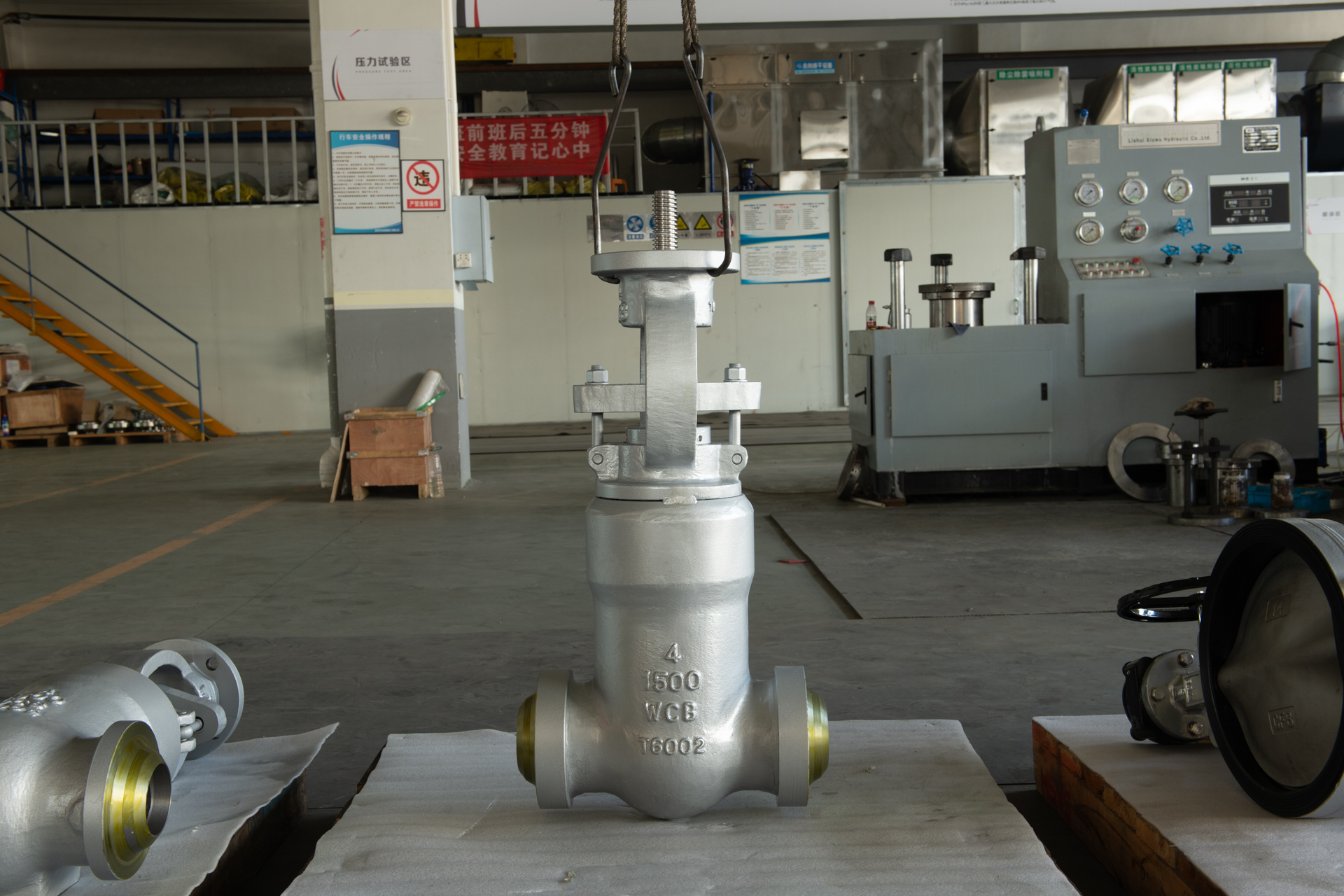
XINTAI Valve Group operates a dedicated in-house testing facility located in Yongjia, handling pressure, seal, and material validation. Combined with advanced machining and inspection systems capable of delivering micro-level tolerances, this infrastructure supports the demanding flow control applications typical of power generation environments. The company's technical capability extends to operational pressure ratings up to Class 2500, covering a wide range of high-pressure industrial requirements.
Certifications and Standards Compliance
For engineers and procurement teams responsible for power station steam systems, standards compliance is non-negotiable. XINTAI Valve Group holds a broad portfolio of industry certifications relevant to this context, including ISO 9001, ISO 14001, ISO 45001, CE Certification, EU Declaration of Conformity, PED, API 600, API 602, API 6D, API 607, API 6FA, ISO 10497, ISO 15848-1, API 624, and SIL, among others. These certifications reflect adherence to internationally recognized frameworks for pressure equipment, quality management, and environmental and safety systems — all of which are directly relevant when specifying valves for critical power generation infrastructure.
Scale and Global Project Experience
XINTAI Valve Group operates 6 production bases across Wenzhou, Tianjin, and Lishui, spanning a total facility area of 58,800 square meters, and employs 580 people, including 33 engineers, 41 testers, and 25 quality managers. The company's annual production capacity reaches 270,000 valves, reflecting the scale required to support large industrial projects without compromising delivery timelines.
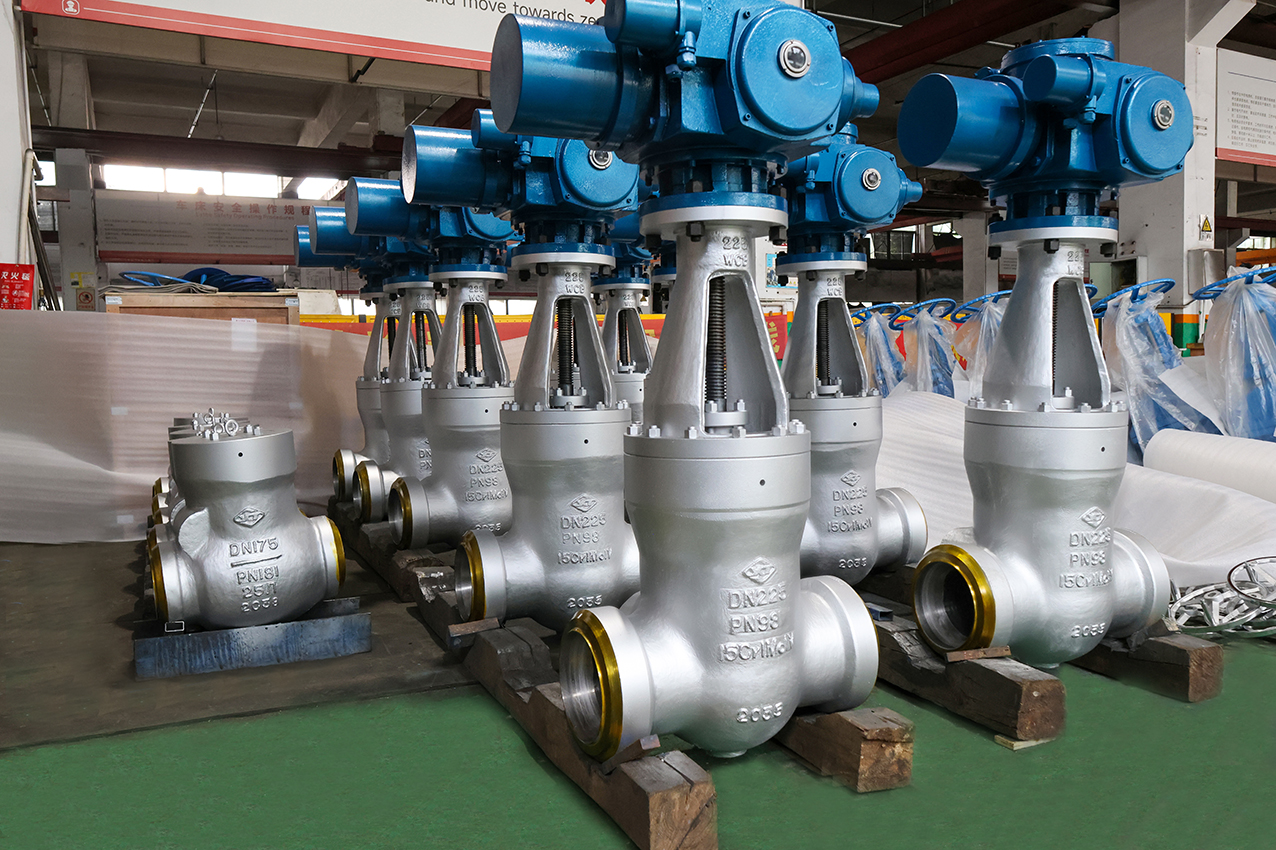
The company's global project reliability is further supported by certified supplier designations from Petronas and Petrobras, reflecting recognition within competitive regional markets in Southeast Asia and high-specification South American petrochemical projects, respectively. Approximately 20% of XINTAI Valve Group's products are exported to Europe and the USA, with 80% distributed across other global regions, indicating a broad and diversified customer base spanning engineering companies, valve trading firms, end-user factories such as refineries and power plants, and distributors.
Aligning Product Capability with Power Station Requirements
For power plant operators specifically seeking check valves for high-pressure steam lines, the combination of a self-acting swing design — engineered to automatically prevent backflow and protect upstream pumps — with a manufacturer capable of integrated casting, precision machining, rigorous in-house testing, and internationally recognized certifications, addresses the core technical and operational concerns at stake. Rather than treating check valve selection as a commodity purchase, plant engineers benefit from evaluating the full manufacturing and quality assurance chain behind the product.
Conclusion
Backflow protection in power station steam lines is a well-defined engineering problem, and the swing check valve remains a proven, self-acting solution for preventing reverse flow damage to upstream pumps. XINTAI Valve Group's combination of integrated manufacturing, smart automation, dedicated testing infrastructure, and international certification coverage positions the company as a manufacturer capable of supporting this application at scale, backed by a track record that includes certified supplier relationships with Petronas and Petrobras and a global distribution footprint spanning multiple continents.
www.xintaivalves.com
Xintai Valve Group Co., Ltd.


Average Rating