 0
 0
In today's architectural landscape, elevators have evolved far beyond their traditional role as vertical transportation equipment. They are now an important component of the overall building environment, directly affecting accessibility, operational efficiency, convenience, and occupant satisfaction. Whether installed in residential high-rises, commercial offices, hotels, medical centers, or multifunctional complexes, a comfortable passenger elevator can make everyday movement easier while enhancing the overall quality of a building.
With urban construction moving toward taller structures and more advanced designs, developers and property operators are paying increasing attention to elevator performance. Factors such as riding comfort, operational stability, safety, and interior appearance have become essential considerations. A modern passenger elevator should do more than transport people between floors. It should provide a smooth, pleasant, and reliable experience from the moment passengers enter the cabin.
Why Passenger Comfort Matters in Modern Buildings
Elevators are among the most frequently used facilities in many buildings. Employees rely on them throughout the working day, residents use them for everyday transportation, and visitors often encounter them shortly after entering a property.
An elevator that operates efficiently and quietly can make daily travel almost effortless. In contrast, frequent delays, uncomfortable vibrations, excessive noise, and insufficient cabin space can negatively affect the user experience.
To address these expectations, modern passenger elevators incorporate a combination of technologies and design improvements, including:
-
Smooth starting, acceleration, and stopping performance
-
Lower operating noise and reduced mechanical vibration
-
Consistent and stable elevator movement
-
Intelligent elevator scheduling and control
-
Comfortable and practical cabin dimensions
-
Modern interior finishes and lighting arrangements
-
Accessibility features for passengers with different needs
Together, these improvements make elevators more convenient to use and help create a more comfortable building environment.
Delivering a Smoother and Quieter Elevator Experience
Ride comfort is one of the most important characteristics passengers notice when using an elevator.
Traditional elevator systems may produce noticeable shaking, sudden acceleration, or uncomfortable stopping movements. Modern drive and control technologies are designed to minimize these problems by regulating speed changes more precisely and maintaining stable operation throughout the journey.
Noise management is another important aspect of elevator comfort. Manufacturers can improve acoustic performance through several engineering approaches, such as:
-
High-precision traction and drive components
-
Noise-absorbing and sound-insulating materials
-
Carefully optimized guide rail systems
-
Advanced motor and frequency control technologies
These improvements help create a quieter cabin environment, which is particularly valuable in apartment buildings, hotels, hospitals, and office complexes.
Smooth operation also benefits passengers who may be more sensitive to sudden movement, including older adults, young children, and people with limited mobility. By reducing unnecessary vibration and abrupt changes in speed, modern elevators provide a more reassuring transportation experience.
Improving Passenger Flow with Intelligent Elevator Systems
The overall elevator experience is influenced not only by riding conditions but also by how long passengers must wait.
In buildings with high traffic volumes, conventional elevator scheduling can result in unnecessary stops, long queues, and overcrowded cabins. Intelligent elevator group control systems help address these challenges by evaluating passenger demand and coordinating elevator movements more effectively.
These systems can respond to changing traffic conditions during busy periods, including morning office hours, lunchtime, and evening residential peak times.
Their main advantages include:
-
More efficient elevator allocation
-
Shorter average passenger waiting times
-
Better management of peak-hour traffic
-
Reduced unnecessary elevator stops
-
Improved transportation efficiency
-
More effective energy utilization
By optimizing elevator operation according to actual building traffic, intelligent control technology helps improve convenience while making better use of available equipment.
Enhancing Building Appearance Through Modern Cabin Decoration
Elevator interiors are an important part of a property's visual identity. Since passengers frequently use elevators, the cabin environment can influence their perception of the building's overall quality and design standards.
For this reason, architects and developers increasingly consider elevator decoration as part of the interior design process rather than treating it as a purely functional requirement.
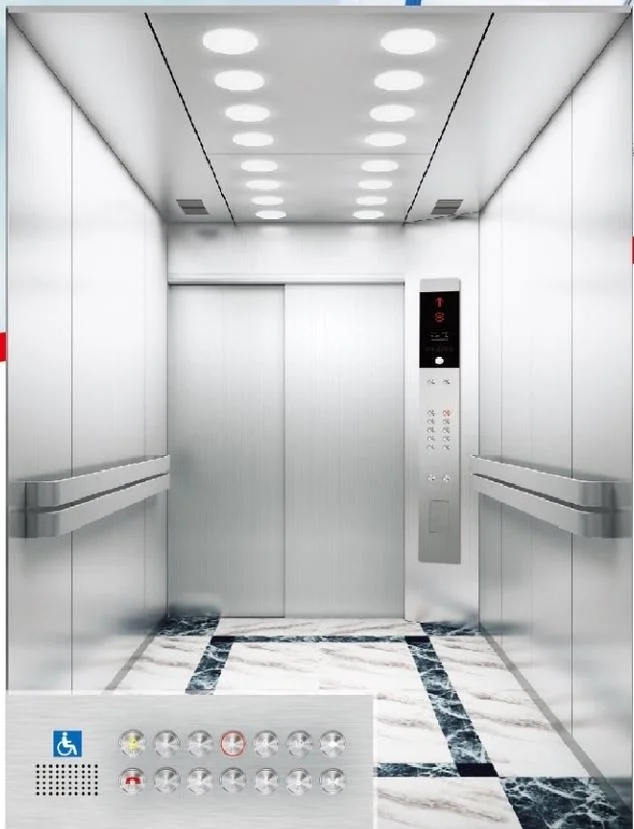
Modern passenger elevator cabins can incorporate different materials and decorative elements, including stainless steel wall panels, elegant ceiling structures, decorative lighting, premium flooring, and customized surface finishes.
The choice of interior design usually depends on the building's positioning and architectural style. Luxury hotels may prefer sophisticated decorative materials and warm lighting, while corporate buildings often choose minimalist finishes that communicate professionalism and modernity.
Customized Passenger Elevator Car Decoration solutions allow building owners to coordinate cabin interiors with the surrounding architectural environment. This combination of appearance and functionality helps create a more attractive and welcoming passenger space.
Making Elevators Accessible to Different Passenger Groups
A modern passenger elevator should provide convenient transportation for everyone, regardless of age or physical ability.
Accessibility is now an important consideration in residential and commercial construction. Elevators help elderly individuals, wheelchair users, parents with children, hospital patients, and people carrying luggage move between floors more independently.
To improve usability, passenger elevator systems may include features such as:
-
Wider entrances for easier boarding
-
Adequate cabin space for wheelchair access
-
Braille markings on control buttons
-
Audible floor announcements
-
Clear and easy-to-understand display screens
-
Conveniently positioned handrails
-
Slip-resistant cabin flooring
These design considerations help reduce barriers and make buildings more inclusive. In healthcare facilities and senior living communities, accessible elevator configurations are particularly important because passengers may require additional space and assistance during transportation.
Creating a Healthier and More Pleasant Cabin Environment
The interior environment of an elevator can also influence passenger comfort and well-being.
Proper ventilation helps maintain air circulation inside the cabin, particularly when elevators are frequently used by large numbers of people. Suitable lighting improves visibility while contributing to a more relaxing atmosphere.
Technology is also changing how passengers interact with elevator systems. Touchless controls, mobile applications, destination selection systems, and sensor-based operation are becoming increasingly relevant in modern building projects. These solutions can reduce the need for physical contact with shared control surfaces while improving convenience.
In hospitals and medical facilities, elevator performance has additional importance. Smooth transportation is beneficial when moving patients, healthcare professionals, medical supplies, and specialized equipment. Reliable operation and carefully designed cabin environments help support daily medical activities.
Balancing Energy Efficiency with Passenger Comfort
Energy consumption is another major consideration when selecting elevator equipment. However, improving operational efficiency does not necessarily mean compromising riding quality.
Modern elevator technologies make it possible to reduce electricity consumption while maintaining stable and comfortable performance.
Common energy-saving features include:
-
Regenerative drive systems that recover usable braking energy
-
LED cabin lighting with lower power requirements
-
Automatic standby functions during periods of inactivity
-
Variable frequency drives for optimized motor operation
-
Intelligent control systems that coordinate elevator traffic
When properly configured, these technologies can reduce unnecessary energy consumption and support more sustainable building operations.
For property developers and facility managers, energy-efficient passenger elevators offer long-term benefits through lower operating expenses and improved resource utilization. They also help buildings meet increasingly demanding sustainability objectives.
Choosing a Manufacturer with Strong Engineering Capabilities
The long-term comfort and reliability of an elevator depend heavily on its engineering design, manufacturing quality, and component performance.
Because elevators operate repeatedly throughout the day, they must withstand continuous use while maintaining consistent safety and ride quality. Manufacturers therefore need to establish strict quality management procedures covering product development, component production, assembly, testing, and technical inspection.
FUJI Elevator (Huzhou) Co., Ltd. is a modern elevator enterprise integrating research and development, product design, manufacturing, sales, installation, and maintenance services. Based in Huzhou, Zhejiang Province, China, the company is equipped with advanced manufacturing facilities and professional testing equipment to support product quality and performance.
Its product range covers various vertical transportation requirements, including:
-
Passenger Elevators
-
Home Elevators
-
Sightseeing Elevators
-
Villa Elevators
-
Hospital Elevators
-
Freight Elevators
-
Vehicle Elevators
-
Escalators
-
Moving Walkways
With a diversified product portfolio, FUJI Elevator can provide elevator solutions for different building types and project requirements.
The company continues to focus on technological development, manufacturing improvements, and quality management. By combining engineering expertise with comprehensive production capabilities, it aims to deliver safe, dependable, and comfortable elevator products to customers in international markets.
Maintaining Long-Term Performance Through Professional Services
Even a well-designed elevator requires professional installation and regular maintenance to maintain its original performance.
Improper installation or neglected maintenance can gradually affect operating stability, increase noise levels, and create unexpected equipment failures. Regular inspections and preventive maintenance are therefore essential for ensuring long-term elevator comfort and safety.
A comprehensive maintenance program typically focuses on:
-
Monitoring elevator operating conditions
-
Checking mechanical and electrical components
-
Identifying potential problems at an early stage
-
Reducing unexpected equipment downtime
-
Extending the service life of elevator systems
-
Maintaining consistent riding performance
For building owners, choosing a manufacturer that provides support throughout the equipment lifecycle can simplify project management and reduce long-term operational risks.
FUJI Elevator adopts a customer-oriented service approach, providing assistance from initial design consultation and equipment selection to installation, commissioning, and after-sales maintenance. Its 24-hour service commitment further supports customers who require timely technical assistance and dependable elevator operation.
Future Trends in Comfortable Passenger Elevator Development
As smart buildings become more widespread, passenger elevator technology will continue to develop toward greater intelligence, connectivity, and user convenience.
Several emerging technologies are expected to influence the next generation of elevator systems:
Intelligent Traffic Forecasting: Advanced control systems will increasingly analyze passenger movement patterns to optimize elevator allocation and reduce waiting times.
Personalized Passenger Services: Connected building technologies may provide more convenient floor selection and transportation experiences based on individual requirements.
Contactless Operation: Mobile applications, voice interaction, and sensor-based controls will offer additional ways to operate elevators without relying entirely on conventional buttons.
Remote Monitoring: Connected monitoring platforms will enable operators to track equipment conditions and identify potential operational problems more efficiently.
Predictive Maintenance: Data analysis and equipment monitoring will help maintenance teams recognize early warning signs and schedule servicing before serious failures occur.
Improved Energy Management: More efficient drive systems and intelligent operating strategies will help reduce electricity consumption without sacrificing passenger comfort.
These developments will gradually transform elevators into intelligent transportation systems that work closely with other building management technologies.
Conclusion
Comfortable passenger elevators are now an important part of modern building development. Their performance affects more than vertical transportation, influencing occupant convenience, accessibility, operational efficiency, and the overall impression of a property.
Features such as smooth movement, low operating noise, intelligent traffic control, attractive cabin decoration, and accessible interior layouts all contribute to a better passenger experience. At the same time, energy-saving technologies and professional maintenance help ensure reliable performance over the long term.
For property developers, architects, and building managers, selecting the right elevator system is an important investment in building quality and occupant satisfaction.
With established engineering capabilities, modern manufacturing facilities, a diverse product portfolio, and comprehensive customer support, FUJI Elevator (Huzhou) Co., Ltd. is committed to providing reliable vertical transportation solutions. Through continuous innovation and a focus on product quality, the company aims to help modern buildings deliver safer, smoother, and more comfortable journeys for passengers.
www.fujidsk.com
FUJI Elevator (Huzhou) Co, Ltd.



Average Rating