 0
0
 0
0
In today’s highly competitive retail landscape, how products are presented often determines whether customers simply walk past or stop to engage. As a result, retailers are constantly exploring smarter display strategies that enhance visibility, optimize space usage, and elevate the overall shopping experience. One solution that has gained significant attention in recent years is the rotating display cabinet.
Compared with conventional shelves or fixed display cases, rotating cabinets introduce motion, accessibility, and strong visual appeal into product presentation. Whether used in jewelry stores, electronics outlets, museums, or automotive showrooms, these dynamic display systems help businesses showcase products more effectively while making the most of limited floor space.
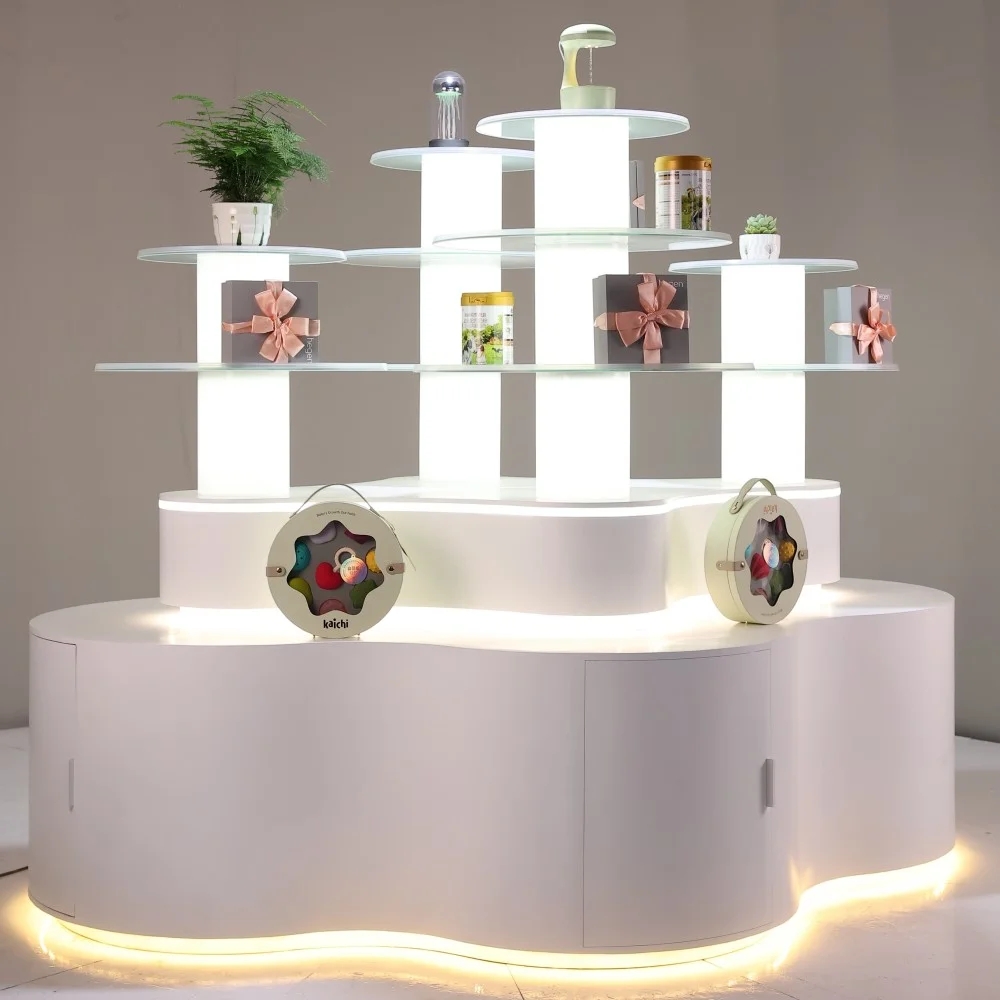
Rotating Display Cabinet in Retail Environments
Why Product Visibility Matters in Retail Success
In retail, visibility goes far beyond simply placing items where customers can see them. Shoppers are naturally drawn to displays that stand out visually or offer some form of interaction. Human attention is highly responsive to movement, and rotating displays leverage this instinct effectively.
When products are placed on a rotating platform, customers can view them from multiple angles without needing to physically handle the item or move around the display. This creates a smoother, more interactive browsing experience that encourages closer inspection.
Rotating display cabinets are commonly used to present:
-
Jewelry and luxury accessories
-
Consumer electronics and gadgets
-
Collectible items and memorabilia
-
Automotive parts and components
-
Museum exhibits and artifacts
-
Promotional or featured merchandise
The continuous rotation helps highlight fine details, textures, and craftsmanship that might otherwise go unnoticed in a static display.
How Movement Captures Customer Attention
One of the strongest advantages of rotating display systems is their ability to attract attention through motion. In busy retail spaces filled with visual stimuli, static displays often fail to stand out.
A gently rotating cabinet immediately draws the eye. Even slow movement can interrupt a shopper’s visual flow, encouraging them to pause and take a closer look. This brief moment of attention often leads to deeper product interest and increased engagement.
For this reason, retailers often position rotating displays in high-traffic areas such as store entrances, central walkways, or promotional zones, where they naturally become visual focal points.
Enhancing Visibility from Every Angle
Traditional display cases often limit how much of a product customers can see at once. Shoppers may need to walk around the case or ask staff for assistance to view different sides.
Rotating cabinets eliminate this limitation by automatically presenting all angles of a product. This is especially valuable for items where design and detail are important, such as:
-
Watches and fine jewelry
-
Sculptures and decorative art
-
High-end electronic devices
-
Precision mechanical components
With continuous rotation, customers gain a complete visual understanding of the product without needing to touch it, making the experience both efficient and engaging.
Improving Space Utilization in Retail Stores
In many retail environments, space is limited and expensive, making efficient display solutions essential. Rotating display cabinets allow retailers to showcase multiple products within a compact footprint.
Instead of spreading items across multiple shelves, a single rotating unit can present products vertically while keeping them continuously visible. This helps maintain a clean, organized store layout while maximizing display capacity.
These systems are frequently used in:
-
Window displays
-
Central island showcases
-
Promotional exhibition stands
-
Trade show booths
By introducing motion and vertical variation, rotating cabinets also help reduce visual monotony and naturally guide customer movement through the store.
Increasing Perceived Product Value
The way a product is presented has a strong influence on how customers perceive its value. Items displayed in well-designed rotating cabinets often appear more premium and carefully curated.
Luxury brands, in particular, use rotating displays to highlight key products because the movement draws attention to craftsmanship and detail. For example, a rotating watch display allows customers to continuously observe the dial, case design, and bracelet structure, reinforcing a sense of quality and sophistication.
Applications Beyond Retail Stores
Although retail environments are the most common application, rotating display technology is widely used across other industries as well.
Museums and Galleries
Rotating platforms are used to exhibit artifacts and sculptures while ensuring full-angle viewing inside protective enclosures.
Automotive Showrooms
Vehicles are often placed on large rotating stages so customers can view exterior design from all perspectives without moving around the car.
Exhibitions and Trade Shows
Exhibitors use rotating displays to draw attention to key products in highly competitive event environments.
These diverse applications highlight how rotating systems blend mechanical engineering with visual presentation needs.
Engineering Behind Rotating Display Systems
Despite their simple visual effect, rotating display cabinets rely on precise mechanical engineering. High-quality systems are designed to ensure smooth movement, stability, and load-bearing capacity.
Key components typically include:
-
Precision motor systems
-
Rotational support structures
-
Adjustable speed controls
-
Reinforced load-bearing frames
-
Electrical and control modules
These components must work quietly and reliably, especially in environments where aesthetics and product safety are critical.
Custom Solutions for Different Industries
Rotating display cabinets are not one-size-fits-all solutions. Different industries require different configurations depending on product size, weight, and presentation goals.
For example:
-
Jewelry stores often use compact, slow-rotating glass cabinets
-
Electronics retailers may prefer open designs with integrated lighting
-
Automotive showrooms require heavy-duty rotating platforms
-
Museums need enclosed, climate-protected display systems
Manufacturers with experience in rotating machinery are able to provide tailored solutions for these diverse requirements.
One such company is Sichuan Zhongxin Rotating Machinery Equipment Co., Ltd., originally founded as Shanghai Zhongxin Machinery Manufacturing Factory in 2010 and later expanding production to Deyang, Sichuan Province in 2017.
With extensive experience in rotating equipment, the company produces industrial turntables, automotive platforms, large-scale rotating stages, display systems, artistic mechanical installations, and customized automation solutions.
Retailers seeking more information can visit:
https://www.zxzht.com/rotating-display-cabinet.html
The company has served both domestic and international markets, exporting to regions including the United States, the United Kingdom, Qatar, Singapore, and Russia. Its products are recognized for durability, stability, and adaptability to different application scenarios.
Supporting Brand Identity Through Display Design
Modern retail is not just about selling products—it is also about storytelling. Display systems play a crucial role in shaping brand perception and communicating product value.
Rotating display cabinets help brands highlight featured items, limited editions, or new releases in a visually compelling way. When strategically placed, they guide customer attention and reinforce marketing messages.
Combined with lighting, branding elements, and visual merchandising techniques, these displays become part of a broader narrative that strengthens emotional engagement with customers.
Safe Display Without Direct Handling
In many retail environments, allowing customers to freely handle products can lead to damage, contamination, or security risks. Rotating display cabinets offer an effective alternative by ensuring full visibility without physical contact.
Glass enclosures combined with rotation allow customers to inspect products closely while keeping them protected. This is especially important for high-value items such as jewelry, collectibles, and sensitive electronics.
The Future of Interactive Retail Displays
As retail technology evolves, rotating display systems are increasingly being integrated with digital innovations.
Emerging features include:
-
LED lighting synchronized with rotation
-
Smart speed adjustment systems
-
Touchscreen product information panels
-
Automated showroom presentation modes
These advancements create more immersive and interactive shopping environments, further enhancing customer engagement.
Companies specializing in rotating machinery and automation are well positioned to drive this evolution by combining mechanical precision with intelligent control systems.
Conclusion
Rotating display cabinets combine engineering precision with modern visual merchandising strategies. By introducing movement into product presentation, they effectively capture attention, improve visibility, and enhance the overall retail experience.
From compact retail stores to large exhibition spaces, these systems provide an efficient way to display products from every angle while optimizing available space.
As competition in retail continues to grow, adopting innovative display solutions such as rotating cabinets can help brands differentiate themselves, strengthen product presentation, and deliver greater value to customers.
www.zxzht.com
Sichuan Zhongxin Rotating Machinery Equipment Co., Ltd.


Average Rating