 0
0
 0
0
Introduction
In modern cosmetic and personal care manufacturing, efficiency and sustainability are no longer optional—they are essential. Among all packaging processes, labeling plays a critical role in product branding, regulatory compliance, and shelf appeal. However, label waste is a hidden cost that many factories overlook.
Excessive label waste not only increases production costs but also leads to material inefficiency, machine downtime, and inconsistent product appearance. For manufacturers using a Shampoo Bottle Labeling Machine, optimizing label usage can significantly improve profitability and sustainability.
This article explores in detail how to reduce label waste using a shampoo bottle labeling machine, covering machine settings, production practices, maintenance strategies, and advanced automation techniques.
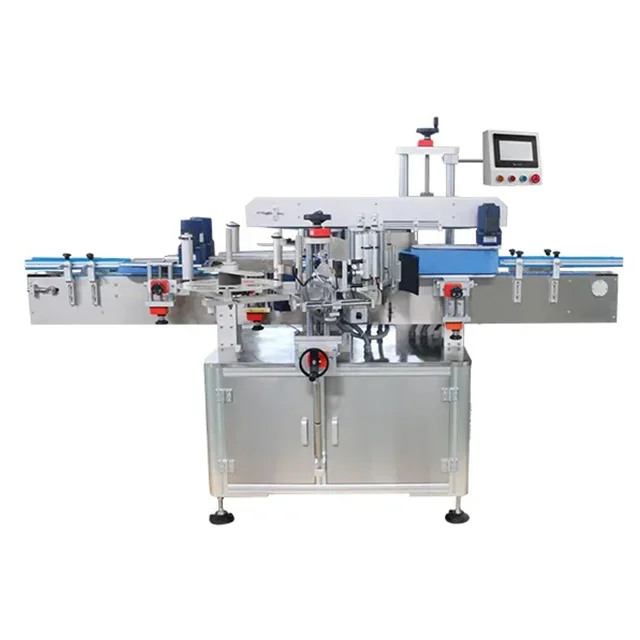
Understanding Label Waste in Shampoo Bottle Production
Before reducing waste, it is important to understand what “label waste” actually means in a production environment.
Label waste typically refers to:
-
Misapplied labels (tilted, wrinkled, or misaligned)
-
Incorrect label placement causing rework or rejection
-
Label tearing during application
-
Excess labels due to incorrect machine calibration
-
Startup and shutdown waste during machine setup
-
Material loss caused by inconsistent bottle feeding
In shampoo bottle production, even a small error rate can result in thousands of wasted labels per day due to high-volume manufacturing.
A modern Shampoo Bottle Labeling Machine is designed to minimize these issues, but proper operation and optimization are equally important.
Choosing the Right Shampoo Bottle Labeling Machine
Reducing label waste starts long before production—it begins at equipment selection.
Match Machine Type to Bottle Requirements
Different shampoo bottle shapes require different labeling systems:
-
Round bottles → wrap-around labeling machine
-
Flat bottles → front/back labeling machine
-
Irregular bottles → customized positioning system
Using the wrong machine type increases misalignment and waste.
High-Precision Servo Motor System
Machines equipped with servo-driven labeling heads provide:
-
Stable label feeding
-
Accurate label positioning
-
Reduced vibration during application
Precision directly reduces mislabeling rates, which is one of the major sources of label waste.
Automatic Label Detection Sensors
A high-quality shampoo bottle labeling machine should include:
-
Label gap sensors
-
Bottle detection sensors
-
Missing label alarms
These systems prevent blank labeling and duplicate application, both of which contribute to waste.
Optimize Machine Calibration to Reduce Waste
Even the best machine will produce waste if not properly calibrated.
Label Position Adjustment
Incorrect positioning leads to:
-
Edge curling
-
Overlapping
-
Crooked application
Proper calibration ensures the label aligns perfectly with the bottle surface.
Bottle Guide System Adjustment
Bottle instability is a major cause of labeling errors.
To reduce waste:
-
Adjust conveyor rails to bottle size
-
Ensure smooth bottle spacing
-
Prevent bottle shaking during labeling
Stable bottle movement = lower error rate.
Label Tension Control
Incorrect tension causes:
-
Label stretching
-
Wrinkling
-
Premature tearing
A well-tuned Shampoo Bottle Labeling Machine should maintain consistent label tension throughout operation.
Improve Label Quality Before Production
Label waste is not always caused by the machine—sometimes the problem begins with the label itself.
Use High-Quality Label Material
Low-quality labels often result in:
-
Poor adhesion
-
Easy tearing
-
Inconsistent printing
Recommended materials:
-
PET labels for durability
-
Waterproof adhesive labels for shampoo bottles
-
High-tack adhesive for curved surfaces
Ensure Proper Label Cutting Accuracy
If labels are pre-cut incorrectly:
-
Machine misfeeds increase
-
Sensor errors occur
-
Waste levels rise
Always verify label dimensions before mass production.
Maintain Consistent Roll Quality
Label rolls must be:
-
Evenly wound
-
Free from dust
-
Properly aligned on the spool
Irregular rolls cause feeding instability, which leads to waste.
Optimize Production Line Coordination
A shampoo bottle labeling machine does not operate in isolation. It is part of a full production line.
Synchronize Filling and Labeling Speeds
If filling is too slow or too fast:
-
Bottles may jam
-
Labels may misfire
-
Production interruptions occur
Proper synchronization reduces stoppages and re-labeling.
Conveyor Speed Matching
Mismatch between conveyor speed and labeling speed causes:
-
Skipping labels
-
Double labeling
-
Bottle misalignment
All of these increase waste.
Use Buffer Systems
Buffer conveyors help:
-
Maintain consistent bottle spacing
-
Prevent bottlenecks
-
Reduce labeling errors caused by congestion
Operator Training and Human Factors
Even automated systems require skilled operators.
Proper Machine Setup Training
Operators must understand:
-
Label roll installation
-
Sensor calibration
-
Emergency stop procedures
Incorrect setup is a major source of label waste.
Routine Monitoring
Operators should regularly check:
-
Label alignment quality
-
Bottle stability
-
Machine noise or vibration
Early detection prevents large-scale waste.
Standard Operating Procedures (SOPs)
A well-defined SOP ensures:
-
Consistent machine setup
-
Reduced human error
-
Stable production quality
Preventive Maintenance for Waste Reduction
A poorly maintained machine inevitably produces more waste.
Clean Labeling Heads Regularly
Dust and adhesive buildup can cause:
-
Label slipping
-
Misalignment
-
Feeding errors
Regular cleaning improves accuracy.
Inspect Sensors Frequently
Dirty or misaligned sensors may:
-
Fail to detect bottles
-
Trigger incorrect labeling
-
Increase scrap rate
Replace Worn Components
Parts such as:
-
Rubber rollers
-
Drive belts
-
Guide rails
must be replaced on time to maintain consistent performance.
Use Automation and Smart Technology
Modern Shampoo Bottle Labeling Machines are increasingly equipped with intelligent systems that significantly reduce waste.
Vision Inspection Systems
These systems detect:
-
Misaligned labels
-
Missing labels
-
Defective application
Defective bottles can be automatically rejected before packaging.
PLC Control Systems
Programmable Logic Controllers ensure:
-
Stable operation
-
Accurate timing
-
Reduced manual intervention
Real-Time Monitoring
Advanced systems allow:
-
Production data tracking
-
Waste rate analysis
-
Machine performance optimization
Data-driven adjustments help continuously reduce waste.
Reduce Waste During Machine Start-Up and Changeover
Many factories overlook startup waste, which can be significant.
Quick Changeover Systems
Modern machines support:
-
Tool-free adjustments
-
Pre-set labeling parameters
-
Fast product switching
This reduces material loss during transitions.
Test Runs Before Full Production
Always perform:
-
Small batch testing
-
Label alignment checks
-
Speed adjustments
This prevents large-scale waste during full production.
Analyze Waste Data and Continuously Improve
Reducing label waste is not a one-time task—it is an ongoing optimization process.
Track Waste Percentage
Monitor:
-
Daily waste rate
-
Batch-specific errors
-
Machine downtime impact
Identify Root Causes
Common causes include:
-
Operator error
-
Machine misalignment
-
Poor label quality
-
Production speed mismatch
Continuous Optimization
Use collected data to:
-
Adjust machine settings
-
Improve operator training
-
Upgrade equipment if necessary
Conclusion
Reducing label waste in shampoo bottle production is a combination of advanced machinery, precise calibration, high-quality materials, operator skill, and smart production management.
A well-optimized Shampoo Bottle Labeling Machine can significantly reduce waste by ensuring accurate label placement, stable bottle handling, and intelligent error detection. However, the biggest improvements come from a systematic approach that integrates machine performance, production line coordination, and continuous monitoring.
In today’s competitive cosmetic industry, reducing label waste is not only about saving costs—it is about improving efficiency, sustainability, and brand quality. Manufacturers who master this optimization will gain a strong advantage in both profitability and market reputation.
www.beiltpack.com
beiltpack



Average Rating