 0
0
 0
0
Understanding Sterility Testing Isolators in Modern Pharmaceutical Manufacturing
In pharmaceutical manufacturing and quality control laboratories, maintaining consistent sterile environments represents one of the most critical challenges. Sterility testing isolators have emerged as essential equipment for facilities seeking to meet stringent regulatory requirements while minimizing contamination risks. These sophisticated systems provide physically separated, controlled environments that protect both products and operators during aseptic manufacturing and sterility testing operations.
Traditional cleanroom facilities face persistent difficulties in maintaining continuous Class 100 cleanliness standards. Manual production processes introduce significant risks of external contamination and cross-contamination between batches. As regulatory bodies worldwide tighten requirements for pharmaceutical aseptic production, the pharmaceutical industry increasingly recognizes that conventional approaches may no longer suffice for high-sensitivity sterility testing and aseptic manufacturing processes.
What Defines a High-Performance Sterility Testing Isolator
A sterility testing isolator functions as a fully enclosed operating environment that establishes physical separation between operators and production processes. This separation maintains stable sterile conditions essential for pharmaceutical manufacturing compliance. The fundamental principle involves creating a controlled microenvironment that consistently meets or exceeds regulatory cleanliness standards without depending on the surrounding facility conditions.
High-performance isolators incorporate several critical design elements. The barrier system must provide complete physical separation while maintaining operational accessibility. Environmental control systems regulate air quality, pressure differentials, and airflow patterns to prevent contamination ingress. Integrated monitoring capabilities track environmental parameters continuously, ensuring sustained compliance with regulatory standards such as GMP Grade A requirements.
The environmental stability achieved within these systems surpasses traditional cleanroom capabilities. While conventional cleanrooms depend on continuous facility-level environmental control with inherent variability, isolator technology creates localized zones of exceptional cleanliness that remain independent of external conditions. This architectural approach fundamentally transforms contamination control strategies in pharmaceutical facilities.
Core Technologies Enabling Superior Contamination Control
Modern sterility testing isolators employ positive pressure isolator technology integrated with sophisticated airflow management systems. Positive pressure environments prevent external contaminants from entering the sterile zone, while carefully engineered airflow patterns distribute filtered air uniformly throughout the workspace.
Laminar airflow systems represent a crucial technological component. Top-down laminar airflow creates uniform air movement patterns that minimize turbulence and prevent particle accumulation on critical surfaces. This approach ensures that any particles generated during operations are immediately swept away from the sterile zone, maintaining continuous Grade A cleanliness standards.
Physical barrier separation utilizes advanced sealing technologies to guarantee environmental integrity. Inflatable sealing technology applied to access doors and transfer ports ensures complete airtightness when systems are operational. These inflatable seals create positive compression against door frames, eliminating potential leak paths that could compromise the sterile environment. The combination of physical barriers and automated pressure control systems maintains internal conditions regardless of external environmental fluctuations.
Construction materials significantly impact long-term performance and cleanability. Stainless steel construction provides durability, corrosion resistance, and surfaces that support effective sterilization protocols. Tempered glass observation panels allow visual monitoring while maintaining structural integrity and environmental separation.
Key Selection Criteria for Pharmaceutical Facilities
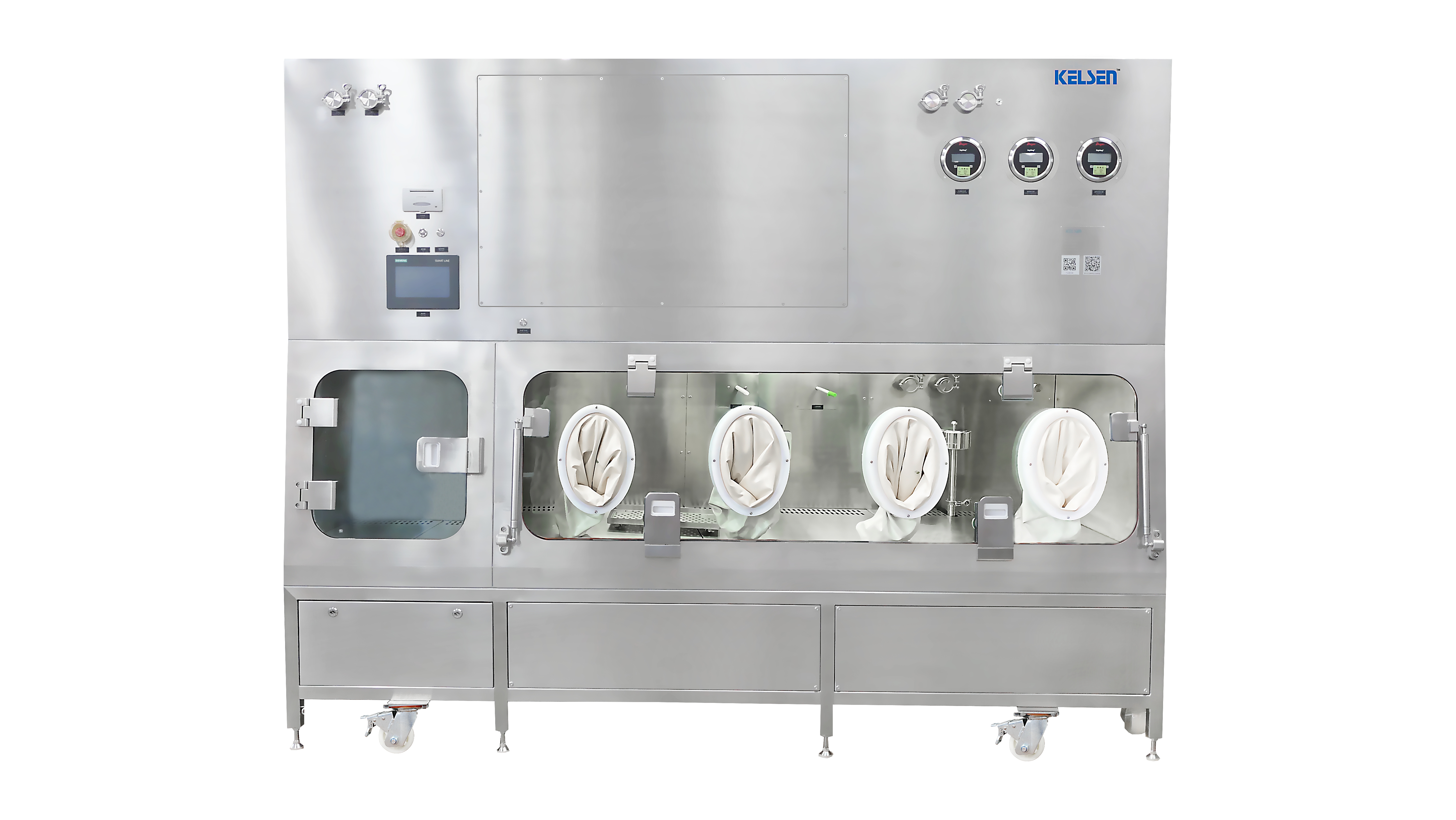
When evaluating sterility testing isolator manufacturers, pharmaceutical production facilities and quality control laboratories should assess multiple technical and operational factors. Understanding these criteria enables informed supplier selection decisions that align with specific facility requirements and regulatory obligations.
Regulatory Compliance Capabilities: Verify that systems consistently achieve GMP Grade A cleanliness standards through validated design and integrated monitoring. Equipment should demonstrate compliance with international pharmaceutical manufacturing standards and support facility validation requirements. Systems capable of maintaining Class 100 cleanliness standards provide the environmental control necessary for sterile inspections and aseptic manufacturing operations.
Contamination Prevention Architecture: Evaluate how system design minimizes external contamination risks and prevents product cross-contamination. Fully enclosed environments with positive pressure control and validated barrier integrity provide superior protection compared to partial enclosure systems. The effectiveness of physical separation between operators and production processes directly impacts product safety and regulatory compliance outcomes.
Environmental Monitoring Integration: Real-time operational monitoring capabilities should track critical parameters including air velocity, differential pressure, temperature, and humidity. Continuous monitoring ensures full compliance with cleanliness standards and provides documented evidence for regulatory inspections. Systems supporting optional monitoring accessories such as glove leak detectors and online particulate sampling systems offer enhanced quality assurance for facilities with stringent process requirements.
Operational Functionality: Practical operational features significantly impact daily productivity. Integrated utilities within the sterile chamber—such as dustproof and waterproof power sockets—facilitate equipment operation without compromising environmental integrity. Integrated cleaning tools, including high-pressure water systems, support efficient sanitation protocols. These functional elements reduce operational complexity and support consistent adherence to cleaning and sterilization procedures.
Technical Support and Validation Services: Manufacturer capabilities for installation qualification, operational qualification, and performance qualification significantly affect implementation timelines and validation costs. Suppliers offering comprehensive deployment support for on-site installation within pharmaceutical production or laboratory environments streamline facility integration and reduce commissioning risks.
Industry Applications and Operational Scenarios
Sterility testing isolators serve critical functions across multiple pharmaceutical manufacturing and laboratory scenarios. In pharmaceutical manufacturing environments, these systems support aseptic manufacturing processes where product sterility must be maintained throughout production operations. The enclosed environment prevents operator-generated contamination while allowing necessary manipulation of materials and equipment.
Within laboratory and inspection settings, isolators provide consistent sterile conditions essential for high-sensitivity pharmaceutical inspections. Sterility testing procedures require environments free from external contamination sources that could generate false positive results or compromise sample integrity. The sustained Grade A environment created by isolator technology ensures test result reliability and regulatory compliance.
Quality control laboratories conducting microbiological testing benefit particularly from isolator technology. The combination of environmental stability, contamination prevention, and integrated monitoring supports rigorous testing protocols while protecting sample integrity. Healthcare and life sciences facilities conducting research or small-batch production similarly leverage isolator technology to achieve pharmaceutical-grade environmental control without constructing extensive cleanroom facilities.
The KuTe Series Approach to Sterility Testing
The KuTe Series Sterility Testing Isolator exemplifies how advanced isolator design addresses pharmaceutical industry pain points through integrated technology platforms. This system targets the specific challenges pharmaceutical production facilities and quality control laboratories face in maintaining continuous Class 100 cleanliness and preventing contamination during sterile inspections.
Built entirely with stainless steel construction and tempered glass doors, the system ensures durability and supports effective sterilization protocols. Inflatable sealing strips on all doors guarantee airtightness and maintain internal pressure stability throughout operations. The integrated laminar airflow system delivers top-down air distribution that minimizes contamination risks through uniform air movement patterns.
Real-time operational monitoring tracks air velocity, differential pressure, and additional parameters continuously, ensuring sustained compliance with GMP Grade A standards. The chamber incorporates dustproof and waterproof power sockets alongside a high-pressure water gun, facilitating operational tasks and cleaning within the sterile zone without requiring external connections that could compromise environmental integrity.
Optional monitoring accessories—including glove leak detectors and online particulate and microbiological sampling systems—provide enhanced quality assurance tailored to specific process needs. This modular approach allows facilities to configure systems matching their exact operational requirements and validation strategies.
Making Informed Supplier Selection Decisions
Selecting the appropriate sterility testing isolator supplier requires careful evaluation of technical capabilities, regulatory compliance credentials, and operational support infrastructure. Pharmaceutical facilities should prioritize suppliers demonstrating proven GMP Grade A cleanliness standard compliance and Class 100 cleanliness standard capability through industry certifications and validation documentation.
Supplier experience serving pharmaceutical manufacturing and healthcare and life sciences industries indicates relevant expertise and understanding of sector-specific requirements. Manufacturers offering comprehensive delivery models—including on-site installation support and after-sales assistance—reduce implementation risks and support long-term operational success.
The investment in advanced isolator technology yields significant returns through enhanced product safety, improved regulatory compliance outcomes, reduced contamination incidents, and increased operational efficiency. As pharmaceutical manufacturing standards continue evolving, facilities equipped with high-performance sterility testing isolators position themselves advantageously for meeting future regulatory requirements while maintaining competitive manufacturing capabilities.
Pharmaceutical production facilities and quality control laboratories seeking to upgrade contamination control infrastructure should conduct thorough assessments of available technologies, supplier capabilities, and system configurations that align with their specific operational scenarios and regulatory obligations. The transition from traditional cleanroom approaches to advanced isolator technology represents a strategic investment in manufacturing quality, regulatory compliance, and long-term operational sustainability.
https://en.ksncn.com/
Suzhou Kelsen Air Filtration System Co., Ltd.



Average Rating