 0
0
 0
0
In the global shift toward low-carbon and sustainable energy, renewable sources like wind, solar, and hydro power have moved from emerging technologies to core components of modern electricity generation. Yet, behind every high-performing renewable energy system lies an essential but often underappreciated element: the transformer.
Transformers are critical in enabling the efficient transmission, distribution, and integration of renewable electricity into national and regional grids. Without them, even the most advanced renewable installations would struggle to deliver stable and usable power to end users.
This article revisits the role of transformers in renewable energy systems, highlights why their engineering has become increasingly important, and examines how experienced manufacturers such as Dingmao (DM) help strengthen global energy infrastructure.
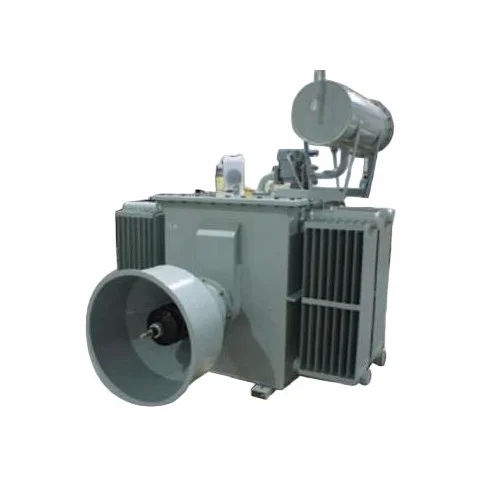
Why Transformers Are Essential in Renewable Energy
Renewable power generation is typically decentralized and highly dependent on natural conditions. Unlike conventional power plants, wind and solar facilities are often located far from cities and industrial centers. Wind farms may be offshore or in remote plains, while solar plants require large, high-irradiation land areas.
This separation between generation and consumption creates a key challenge: transmitting electricity efficiently over long distances while minimizing losses.
Transformers solve this by adjusting voltage levels at different stages of the power system. Electricity is stepped up at generation sites to reduce current and lower transmission losses, then stepped down near end users to safe, usable levels.
Without this voltage conversion process, large-scale renewable energy distribution would suffer from excessive energy loss and reduced economic viability.
Key Challenges in Renewable Energy Integration
Although voltage transformation is a well-established principle, renewable energy systems introduce new operational complexities that require more advanced transformer designs:
1. Fluctuating Power Generation
Solar and wind energy output is inherently variable due to changing weather and environmental conditions. This intermittency places continuous stress on electrical infrastructure, requiring transformers capable of handling rapidly changing load profiles without efficiency loss.
2. Grid Stability and Power Quality
Modern power networks demand strict voltage and frequency stability. However, renewable energy input can introduce fluctuations. Transformers must therefore support voltage regulation and reactive power control to help stabilize grid performance.
3. Harsh Installation Environments
Many renewable projects operate in extreme conditions—offshore wind farms face salt corrosion and high humidity, while desert solar plants deal with intense heat and dust. Transformers used in these environments must be compact, durable, and highly resistant to environmental stress.
4. Increasing Efficiency Requirements
With tightening global energy standards, transformer efficiency has become more critical than ever. Even small energy losses at the conversion stage can accumulate into significant waste at grid scale.
Technological Progress in Modern Transformers
Transformer technology has evolved significantly to meet the needs of renewable energy systems. Advances in core materials, winding structures, and insulation systems have greatly improved both efficiency and durability.
One major innovation is the use of amorphous metal cores, which significantly reduce no-load losses compared to traditional silicon steel. This makes them particularly suitable for renewable applications where load conditions vary frequently.
Thermal management has also improved. Modern transformers are designed to handle frequent temperature fluctuations caused by variable energy input. Enhanced cooling systems and advanced insulation materials help extend operational lifespan and reduce maintenance demands.
In addition, digital monitoring systems are becoming standard. Embedded sensors allow real-time tracking of temperature, load, and insulation conditions, enabling predictive maintenance strategies that reduce downtime and improve reliability.
Contribution of Dingmao (DM) in Transformer Manufacturing
In the renewable energy ecosystem, manufacturing expertise directly influences system reliability and efficiency. Dingmao (DM) has built a strong reputation as a long-term contributor to the global transformer industry.
Established in 1970 in Taiwan, DM began as a family-run manufacturing enterprise and has since grown into an internationally recognized energy equipment provider. With decades of technical accumulation, the company focuses on transformer cores, active components, and complete transformer systems.
One of DM’s important milestones was its cooperation with GE Prolec, where it contributed to the production of amorphous steel cores for distribution transformers. This collaboration helped strengthen its expertise in high-efficiency materials and advanced manufacturing processes.
As global energy demand expanded, DM further developed its production capabilities in China and integrated mature transformer technologies originally developed in Taiwan. This strategic expansion improved both production efficiency and global competitiveness.
Today, DM products are manufactured in accordance with strict international standards, with a strong emphasis on efficiency, reliability, and long service life. Their transformer solutions are widely applied in power grids, industrial facilities, and renewable energy projects.
More information about their transformer solutions can be found here:
DM Transformers
Application in Wind and Solar Energy Systems
Wind Power Applications
Wind turbines generate electricity with output that varies according to wind speed. Inside wind farms, step-up transformers—either installed in turbine nacelles or at substations—convert this variable electricity into higher voltage for long-distance transmission.
Offshore wind installations place additional demands on transformers due to harsh marine conditions, including salt exposure, humidity, and mechanical vibration. As a result, high durability and corrosion resistance are essential design requirements.
Solar Power Applications
Solar photovoltaic systems generate DC electricity, which is first converted into AC through inverters. Transformers then step up the voltage for grid connection.
Because solar output changes throughout the day and across seasons, transformers must maintain high efficiency even under partial-load operation for extended periods.
Transformers in Modern Grid Integration
The success of the global energy transition depends not only on generating renewable electricity but also on integrating it effectively into existing grid infrastructure. Transformers are central to this process.
As power systems become more decentralized, distributed energy resources such as rooftop solar panels, battery storage systems, and microgrids are increasingly common. Transformers enable these diverse systems to connect smoothly to regional and national grids.
They also support bidirectional energy flow, allowing electricity to move in both directions—an essential feature in modern prosumer-based energy networks where users can both consume and supply power.
Future Development Trends in Transformer Technology
As renewable energy adoption accelerates worldwide, transformer technology is expected to continue evolving in several key directions:
-
Higher efficiency driven by stricter environmental and energy regulations
-
Wider adoption of digital monitoring and smart diagnostics
-
Increased use of environmentally friendly insulation materials
-
More compact and space-saving structural designs
-
Improved adaptability to nonlinear and variable loads
Manufacturers that combine material innovation with advanced engineering capabilities will play a decisive role in supporting the next generation of clean energy systems.
Conclusion
Transformers are far more than supporting equipment in renewable energy systems—they are fundamental enablers of modern power infrastructure. From voltage conversion and transmission efficiency to grid stability and system reliability, their role is indispensable.
As global renewable energy deployment continues to expand, demand for high-performance transformer solutions will keep rising. Companies like Dingmao (DM), with decades of engineering experience and a strong commitment to international standards, are well positioned to support this global energy transition with reliable and efficient technologies.
www.dmtransformer.com
Dingmao (DM)



Average Rating