 0
0
 0
0
Understanding Trunnion and Floating Ball Valve Designs
For engineers and procurement teams evaluating pipeline isolation equipment, the choice between trunnion mounted and floating ball valves is one of the most fundamental decisions in flow control design. Both configurations are widely used across oil and gas pipelines and refineries, yet they differ significantly in mechanical construction, sealing behavior, and suitability for specific pressure conditions. Understanding these differences is essential for selecting a valve that reliably addresses high-pressure line isolation and leakage risks over the long term.
Floating Ball Valve Design and Its Advantages
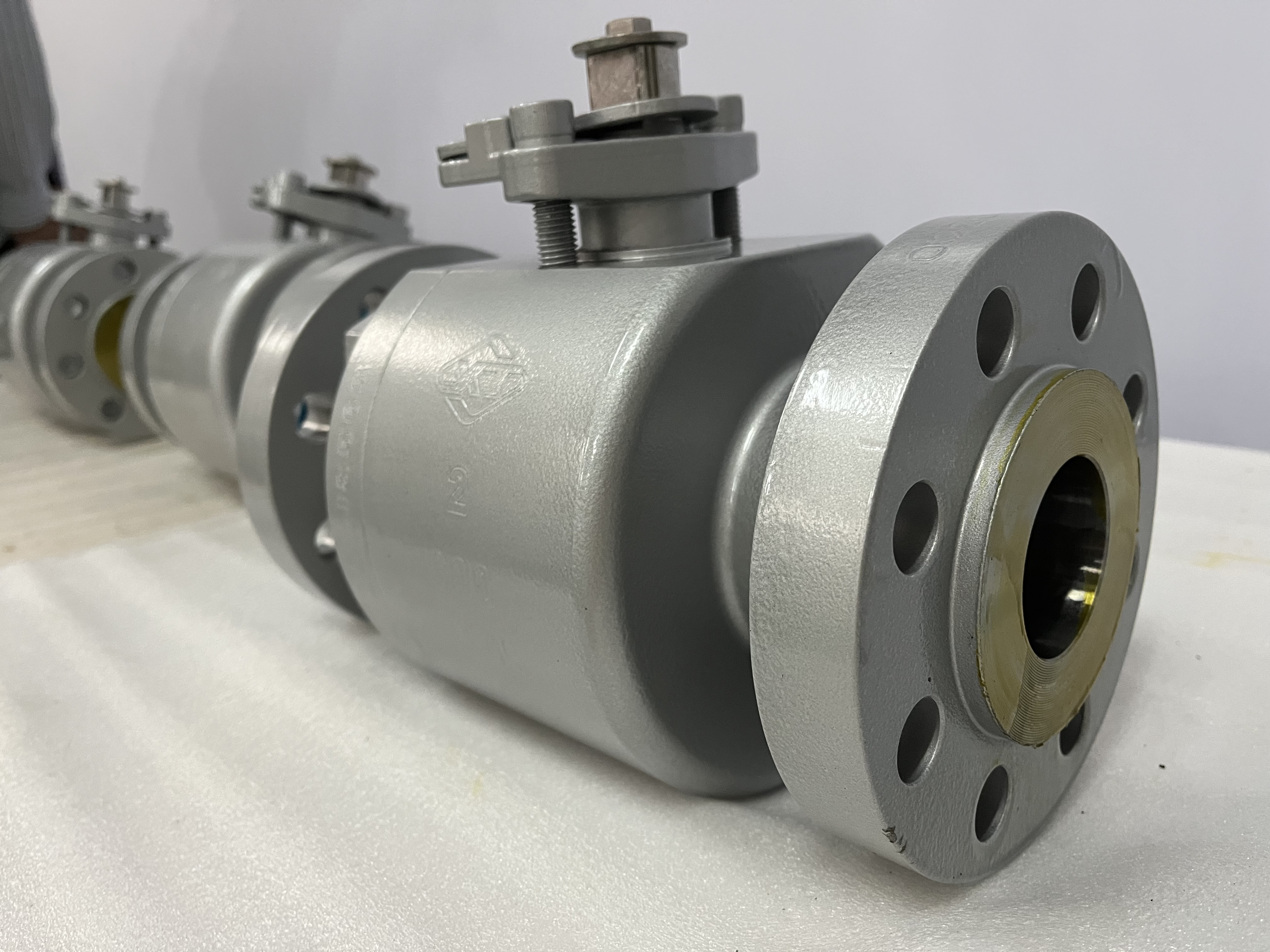
In a floating ball valve, the ball itself is not fixed to a lower stem or bearing. Instead, the design utilizes fluid pressure to press the ball against the seat. This mechanism is effective at preventing low-pressure leaks, since the sealing force is generated directly by the process media pushing the ball into firm contact with the downstream seat. Floating designs are commonly selected where operating pressures remain within moderate ranges and where a simpler mechanical structure is preferred.
Trunnion Mounted Ball Valve Design and Its Advantages
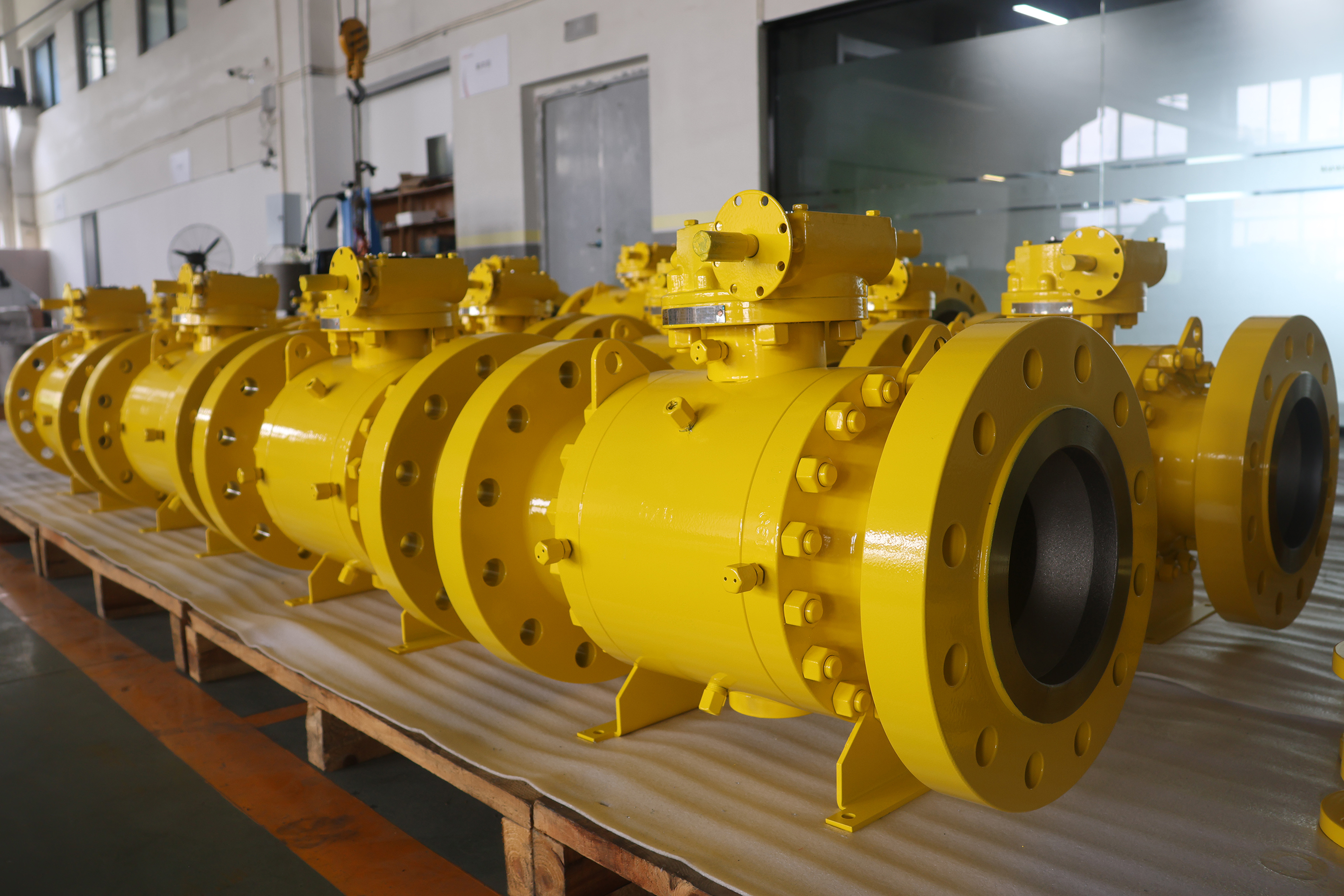
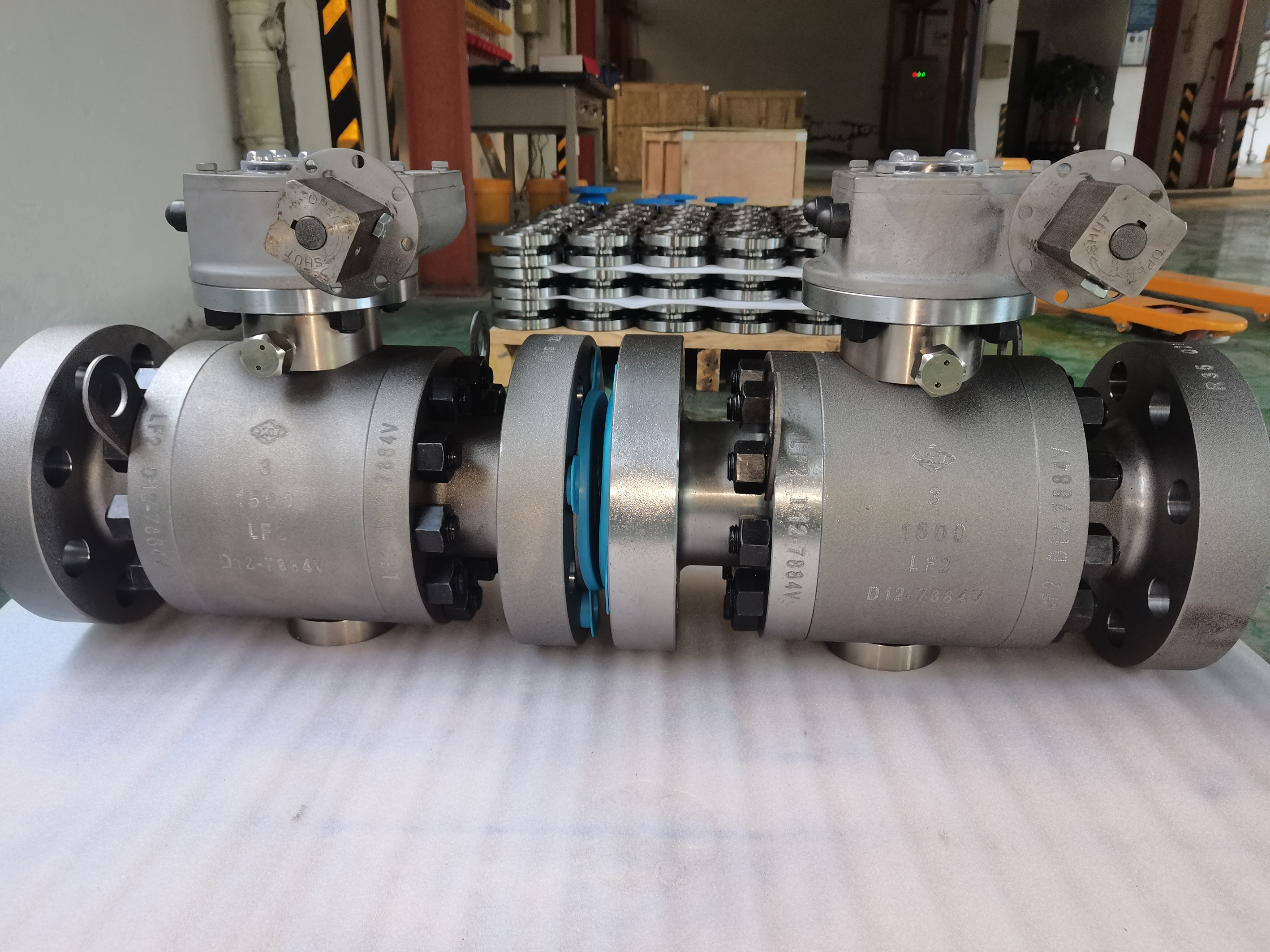
Trunnion mounted ball valves take a different approach. The ball is fixed on bearings at both the top and bottom, which lowers operating torque and avoids valve jamming under high pressures. Because the ball does not rely solely on line pressure to maintain position, trunnion designs are generally favored in larger diameters and higher-pressure services where consistent, low-torque operation is critical to avoiding mechanical strain on actuators and stems.
API 6D Standard Compliance and Sealing Safety
Regardless of which configuration is selected, compliance with API 6D standards plays a central role in ensuring validated sealing safety for pipeline valves. This standard governs performance requirements for ball, gate, and check valves used in pipeline service, and adherence to it demonstrates that a valve has been engineered and tested to consistent, industry-recognized criteria. For oil and gas pipeline operators, this standardized quality assurance directly addresses concerns around valve reliability and lifecycle cost control, two of the most pressing challenges facing industrial valve users today.
Beyond API 6D, ball valves intended for demanding environments often incorporate additional technical features. Metal-to-metal sealing options support high-temperature service, while specialized Al-Bronze materials provide resistance in seawater applications. These material and sealing choices reflect the broader industry reality that valves must perform reliably not only under pressure, but also in corrosive marine environments, cryogenic conditions, and severe service applications where erosion and wear are ongoing concerns.
XINTAI Valve Group's Engineering Approach to Ball Valve Manufacturing
XINTAI Valve Group Co., Ltd., established in 1998 and headquartered in Wenzhou, China, manufactures both floating and trunnion mounted ball valves as part of its broader industrial valve product line. The company's ball valve offerings include floating, trunnion mounted, double block and bleed, fully welded, casting, forged, metal sealing, soft sealing, top entry, V-notch, and wafer configurations, giving customers flexibility to match valve construction to specific pipeline conditions.
XINTAI Valve's ball valves are positioned to address high-pressure line isolation and leakage risks through a design philosophy that conforms to API 6D standards, ensuring validated sealing safety for oil and gas pipeline applications. The floating design leverages fluid pressure to press the ball against the seat, preventing low-pressure leaks, while the trunnion configuration fixes the ball on bearings to lower operating torque and avoid jamming under high-pressure conditions. Metal-to-metal sealing options are available for high-temperature service, and specialized Al-Bronze materials address seawater resistance requirements.
Integrated Supply Chain and Smart Manufacturing
A key differentiator for XINTAI Valve Group is its integrated supply chain, built on internal ownership of casting foundries and machining bases. This structure enables full-process quality control, optimized costs, and reliable supply stability—factors that directly respond to global customers' concerns about supply chain stability and consistent quality across large-scale industrial projects.
Manufacturing is further supported by advanced automation, including 13 six-axis robots that improve production efficiency by 40 percent while ensuring consistent quality and reduced manufacturing variations. Precision machining and inspection systems deliver micro-level tolerances suited to demanding flow control applications, including operational pressure capability up to Class 2500 (PN420). The company's dedicated in-house testing facility, located in Yongjia, handles pressure, seal, and material validation, reinforcing confidence in each valve's performance before it leaves the production base.
These capabilities are backed by a workforce of 580 employees, including 33 engineers, 41 testers, and 25 quality managers, operating across six production bases in Wenzhou, Tianjin, and Lishui, with a combined facility area of 58,800 square meters. Annual production capacity reaches 270,000 valves, reflecting the scale required to support large industrial projects worldwide.
Industry Applications and Proven Global Deployment
XINTAI Valve's ball valves serve oil and gas pipelines and refineries, industries where valve reliability directly affects operational safety and cost control. The company holds a broad set of industry certifications, including ISO 9001, ISO 14001, ISO 45001, CE, EU Declaration of Conformity, PED, API 600, API 602, API 6D, API 607, API 6FA, ISO 10497, ISO 15848-1, API 624, SIL, and EAC, along with PAT and TAT certifications. These qualifications collectively address the industry's need to comply with international standards and project-specific specifications.
XINTAI Valve also holds Petronas Certified Supplier and Petrobras Certified Supplier designations. Under its Petronas supply relationship, the company has provided valve solutions tailored to competitive regional markets in Southeast Asia. Through its Petrobras partnership, high-specification valves have been supplied for South American petrochemical projects. On a broader scale, 20 percent of XINTAI Valve's products are exported to Europe and the USA, while 80 percent are distributed to other global regions, illustrating the company's reach across North America, South America, Europe, Central Asia, the Middle East, and Southeast Asia.
Choosing the Right Ball Valve for Your Pipeline
Selecting between trunnion and floating ball valve designs ultimately depends on pressure requirements, torque considerations, and the specific demands of a pipeline system. Floating valves offer a straightforward, pressure-assisted sealing mechanism suited to preventing low-pressure leaks, while trunnion mounted valves provide lower operating torque and greater resistance to jamming in high-pressure service. Both configurations, when manufactured to API 6D standards, deliver validated sealing safety for oil and gas pipeline and refinery applications.
XINTAI Valve Group's combination of integrated casting and machining capability, robot-assisted precision manufacturing, in-house testing validation, and internationally recognized certifications positions the company to supply hardware for demanding pipeline projects. For organizations evaluating ball valve options for hazardous media handling, high-pressure isolation, or seawater-resistant service, XINTAI Valve's product range—spanning floating, trunnion mounted, and specialized ball valve configurations—offers a manufacturing foundation built on decades of experience and proven project support across global markets.
www.xintaivalves.com
Xintai Valve Group Co., Ltd.




Average Rating