 0
0
 0
0
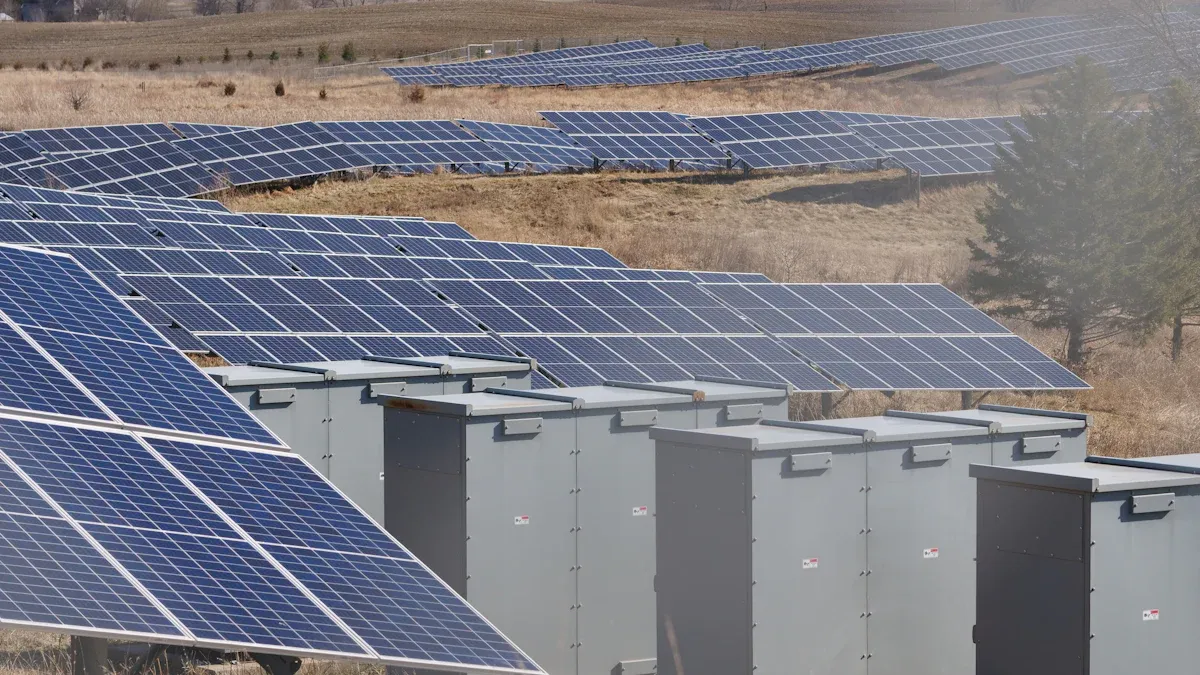
Solar Batteries let you keep energy from the sun at home. You can use this energy when it is dark or cloudy. This helps you need less power from the grid. More people are picking Solar Batteries because energy costs are going up. Around 15-20% of new solar systems in the U.S. have battery storage. All-in-one products like BEINENG Home ESS are now popular. This is because batteries cost less and work better now. You can manage your energy and charge your electric car with these systems.
Key Takeaways
-
Solar Batteries keep extra energy from solar panels. You can use this energy when it is dark or cloudy. This helps you use less power from the grid.
-
Picking the right battery type, like lithium-ion or lithium iron phosphate, can make energy use better. It can also help you save money.
-
High-efficiency batteries let you use more solar energy. This means your electricity bills can go down. You also help the planet by making less pollution.
-
It is important to know about battery features like capacity, cycle life, and efficiency. This helps you choose the best battery for your home.
-
New technologies in solar batteries are making them safer. They last longer and are better for the environment.
Solar Batteries: Basics
What Are Solar Batteries
Solar Batteries are special devices for saving extra energy. When your solar panels make more power than you need, the battery stores it. You can use this saved energy when it is dark or cloudy. This helps your home use less power from the grid.
Solar Batteries let you control your energy use. You can use your own power at night or during storms. If the grid goes down, your lights can stay on. This saves money and keeps your home safe.
Many people pick Solar Batteries for different reasons:
-
Store extra electricity to use later and be more independent.
-
Have backup power if there is an outage.
-
Save money by using stored energy when prices are high.
-
Use more solar energy and help the environment.
-
Make your solar system last longer by balancing energy use.
-
Try new technology that makes storing energy easier.
A study found that homes with batteries can lower peak electricity use by up to 65%. This means you pay less for power and help the grid during busy times.
How Solar Batteries Store Energy
Solar Batteries use science to keep energy for you. When your solar panels make power, it goes to the battery. The battery stores this energy with a chemical process. When you need power, the battery sends it back to your home.
Here is a simple table that shows how Solar Batteries store energy:
|
Process Type |
Description |
|---|---|
|
Chemical Process |
The battery changes molecules to hold more energy. It keeps this energy until you need it. |
|
Thermal Energy Storage |
Some systems save heat, like keeping water warm. Good insulation is important for these systems. |
|
Thermochemical Storage |
The battery makes high-energy compounds. These give off energy through reactions when needed. |
Most Solar Batteries use chemical processes. They take power from your solar panels and store it safely. When you want to use the energy, the battery changes the chemicals back and sends power to your home.
You can check how well a battery works by looking at its efficiency. Coulomb efficiency shows how much energy you get back compared to what you put in. Solar Batteries are usually very efficient, so they are a good choice for homes.
Tip: To get the most from your solar panels, pick a battery with high efficiency and good storage.
Solar Batteries help you use more of your own solar energy. You can keep your home running, save money, and help the planet.
Types Of Solar Batteries
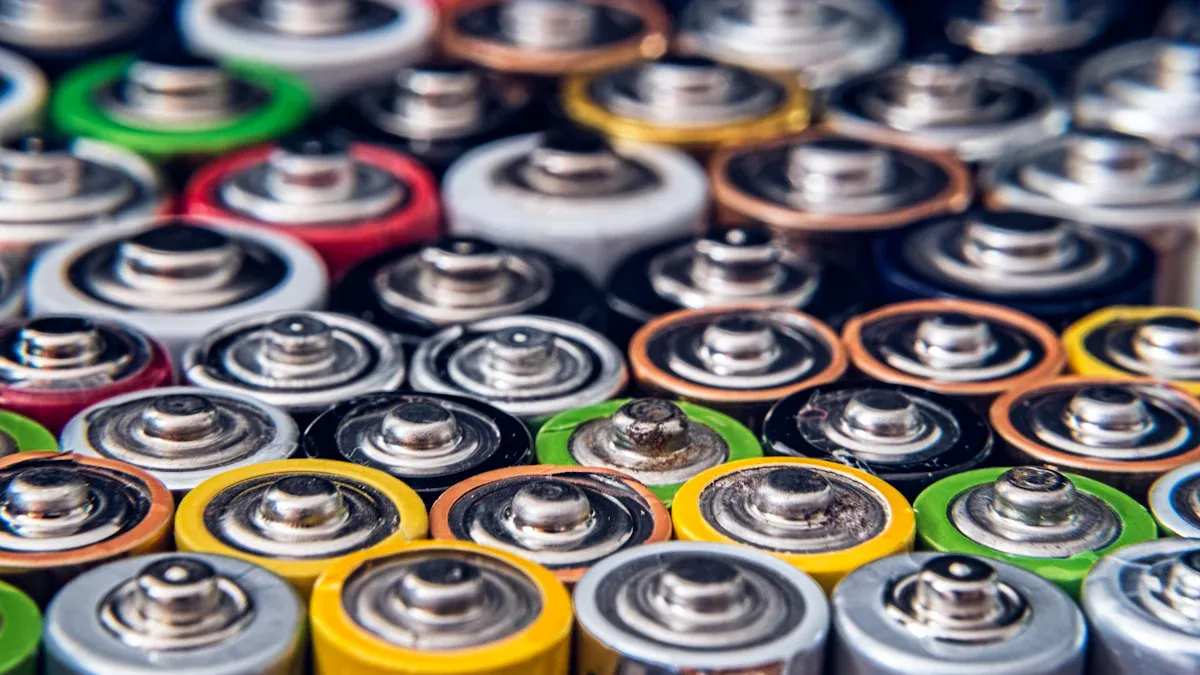
Solar Batteries come in many types. Each type works in its own way. Some are better for certain homes. You can pick the best one by learning about their features.
Lithium-Ion
Most home systems use lithium-ion batteries. They hold a lot of energy in a small space. These batteries last a long time and need little care. BEINENGStor and other systems use lithium-ion for storage. They last 10-15 years and work for 6,000-10,000 cycles. You can use them for backup or to save money on bills.
Lithium-ion batteries need special circuits to stay safe. Charging them when it is very cold can hurt them. Always follow the maker’s rules to keep them safe.
Lithium Iron Phosphate (LFP)
LFP batteries are a kind of lithium battery. They last longer than regular lithium-ion batteries. You get 4,000–10,000 cycles with them. LFP batteries use safe materials and are easy to recycle. They work in hot and cold places and help cut down on waste. You can use LFP batteries for home storage or off-grid power.
Lead-Acid
Lead-acid batteries cost less at first. You might see them in older solar setups. They need care, like checking water and not draining them too much. Lead-acid batteries last 300-500 cycles. You can use them for backup, but new batteries are replacing them.
Flow
Flow batteries use liquid in tanks to store energy. You can make them bigger by using larger tanks. They are good for big homes or businesses. Flow batteries can store energy for over 10 hours. You can use them for microgrids or big projects.
Saltwater
Saltwater batteries use salt and water, not toxic metals. They are safe and easy to recycle. They do not catch fire. Saltwater batteries need more space and hold less energy. You can use them if you want a safe and green choice.
Nickel Cadmium
Nickel cadmium batteries last about 1,000 cycles. They work in very hot or cold places and charge fast. You may see them in special jobs. They are big and can hurt the environment.
|
Battery Type |
Typical Use Case in Residential Settings |
|---|---|
|
Lithium-Ion |
Home energy storage, backup power, bill reduction |
|
Lithium Iron Phosphate (LFP) |
Long-lasting storage, off-grid systems, eco-friendly homes |
|
Lead-Acid |
Backup power, older systems, budget setups |
|
Flow |
Large homes, microgrids, scalable storage |
|
Saltwater |
Eco-friendly storage, safe environments |
|
Nickel Cadmium |
Extreme conditions, fast charging needs |
Comparing Battery Types
Lithium-ion batteries are the most common for homes. They store a lot of energy and work well. LFP batteries last long and are safe. Lead-acid batteries are cheap but need more care. Flow batteries are good for big jobs. Saltwater batteries are safe and green. Nickel cadmium batteries work in tough places.
Tip: For most homes, lithium-ion batteries like BEINENGStor are the best mix of power and trust.
Solar Batteries let you choose how to store energy. You can pick the type that fits your needs and enjoy using your own power.
Battery Technologies
Energy Storage Mechanisms
There are different ways batteries keep energy for your home. Each way has good points. Here are some main types you might find:
-
Lithium-ion batteries use chemical changes to hold and give out energy. They are used a lot in homes because they work well and are small.
-
Lead-acid batteries have been used for many years. They are strong and cheap, but they are heavy and hold less energy.
-
Flow batteries use liquid in tanks to keep energy. You can make them bigger if you need more power.
-
Saltwater batteries use water and salt to keep energy. They are safe and simple to recycle.
|
Technology |
Description |
|---|---|
|
Electrochemical |
High energy, quick to use, easy to add more, includes Li-ion and Na-ion technologies. |
|
Flow Batteries |
Keep energy in tanks outside the battery, good for long use, can get bigger with larger tanks. |
|
Thermal Energy |
Uses hot salt, ice, or special materials to store heat energy. |
You can pick the best way to store energy for your home. Think about what you want for safety, space, and price.
Performance Factors
When you choose a battery, you should see how well it works. Here are some important things to look at:
-
Battery Capacity: Make sure the battery can hold enough energy for your needs each day.
-
Cycle Life: If the cycle life is high, the battery will last longer.
-
Efficiency: If the battery is efficient, you lose less energy.
-
Warranty: A long warranty helps you feel safe about your choice.
-
Cost: Try to match the price with how long the battery will work.
|
Factor |
Description |
|---|---|
|
Round-Trip Efficiency |
Higher efficiency means more solar energy goes to your home and less is lost as heat. |
|
Depth of Discharge |
The energy you can use matters; some batteries save some energy to stay healthy. |
|
Cycle Life and Degradation |
Batteries that last longer give you more clean energy; many things can change cycle life. |
|
Temperature and Thermal Design |
Very hot or cold weather can make batteries work less well; good design keeps them safe and strong. |
|
Battery Management System |
A good system helps balance the battery and makes it last longer. |
Tip: Always look at the battery’s cycle life and efficiency before you buy. This helps you get the most from your Solar Batteries.
Innovations In Battery Tech
New ideas in battery technology help your home be safer and your energy last longer. Here are some new things you might see:
|
Breakthrough |
Benefits |
|---|---|
|
Lithium Iron Phosphate (LFP) |
Safer, costs less, lasts longer, and works better for solar and electric cars. |
|
Solid-State Batteries |
Safer with solid parts inside, holds more energy, and lasts longer. |
|
Water-Based Batteries |
No fire danger, safe for homes, and can last over 10,000 charges. |
Now you can get batteries that last longer, work well in hard places, and keep your home safe. These new ideas make it easy to use clean energy every day.
Integration With Home Energy Systems
AC vs DC Coupling
You can connect Solar Batteries to your house in two main ways. These are called AC coupling and DC coupling. AC-coupled systems change electricity from DC to AC, then back again. Each time the power changes, some energy is lost. This makes the system less efficient. DC-coupled systems keep most of the energy as DC until you use it. This way, less energy is wasted.
|
Feature |
AC Coupling |
DC Coupling |
|---|---|---|
|
Efficiency |
90-94% |
Up to 98% |
|
Installation |
Easy to add to old systems |
Harder and more costly to upgrade |
|
Inverter Needed |
Two inverters |
One inverter |
|
Grid Charging |
Can use grid for charging |
Cannot use grid for charging |
DC coupling saves more energy. But AC coupling is easier if you already have solar panels. Think about what you have now and what you want later before you pick.
Solar Panels, Batteries, and Inverters
Solar panels make DC electricity when the sun is out. This power goes to a converter that changes the voltage. The inverter turns DC into AC so your home can use it. If you do not use all the power, the extra goes into Solar Batteries. At night or when it is cloudy, batteries send stored energy back through the inverter. This keeps your lights and devices working.
-
Solar panels make DC electricity.
-
Converter changes the voltage.
-
Inverter turns DC into AC for your house.
-
Extra power goes to the batteries.
-
Batteries give back energy when you need it.
-
Inverter changes battery power to AC again.
The BEINENG Home ESS puts all these parts together in one system. You can store solar energy, manage your power, and charge your electric car. The myBeineng app lets you control everything from your phone.
Choosing The Right Battery
You should pick a battery that fits your home and how you live. Look at these things:
-
Works with your solar panels and inverter
-
Holds enough energy for your daily use
-
Gives enough power for your appliances
-
Can be made bigger later if needed
-
Has smart features like real-time checks
-
Good brand and helpful support
-
Can be recycled and is good for the planet
-
Lasts long and works well
Tip: Ask an expert if you do not know which battery to get. The BEINENG Home ESS has smart features and is easy to use for energy control.
All-in-one systems help you save money and use more clean energy. You get backup power, fast car charging, and easy ways to control your energy.
You now know about the main Solar Battery types and how they work. Each battery type has its own good points for your home. You can pick the best one by learning how storage affects how well it works. New systems like BEINENG Home ESS are simple to use and help you use your own energy.
Clean energy at home will get even better soon. You can choose wisely and have steady power every day.
FAQ
How long does a solar battery last?
Most solar batteries last 10 to 15 years. You can check the cycle life to see how many times you can charge and use the battery. Good care helps your battery last longer.
Can you use solar batteries during a power outage?
You can use solar batteries when the power goes out. The battery gives you backup energy. Your lights and devices stay on until the battery runs out.
What size solar battery do you need for your home?
You need to match the battery size to your daily energy use. Look at your power bill. Choose a battery that stores enough energy for your needs.
Do solar batteries work in cold or hot weather?
Solar batteries work in most wea
https://www.powerbatterypacks.com
Guangdong Beineng New Energy Co., Ltd.


Average Rating