 0
0
 0
0
Understanding Wedge Gate Valves and Their Role in Industrial Pipelines
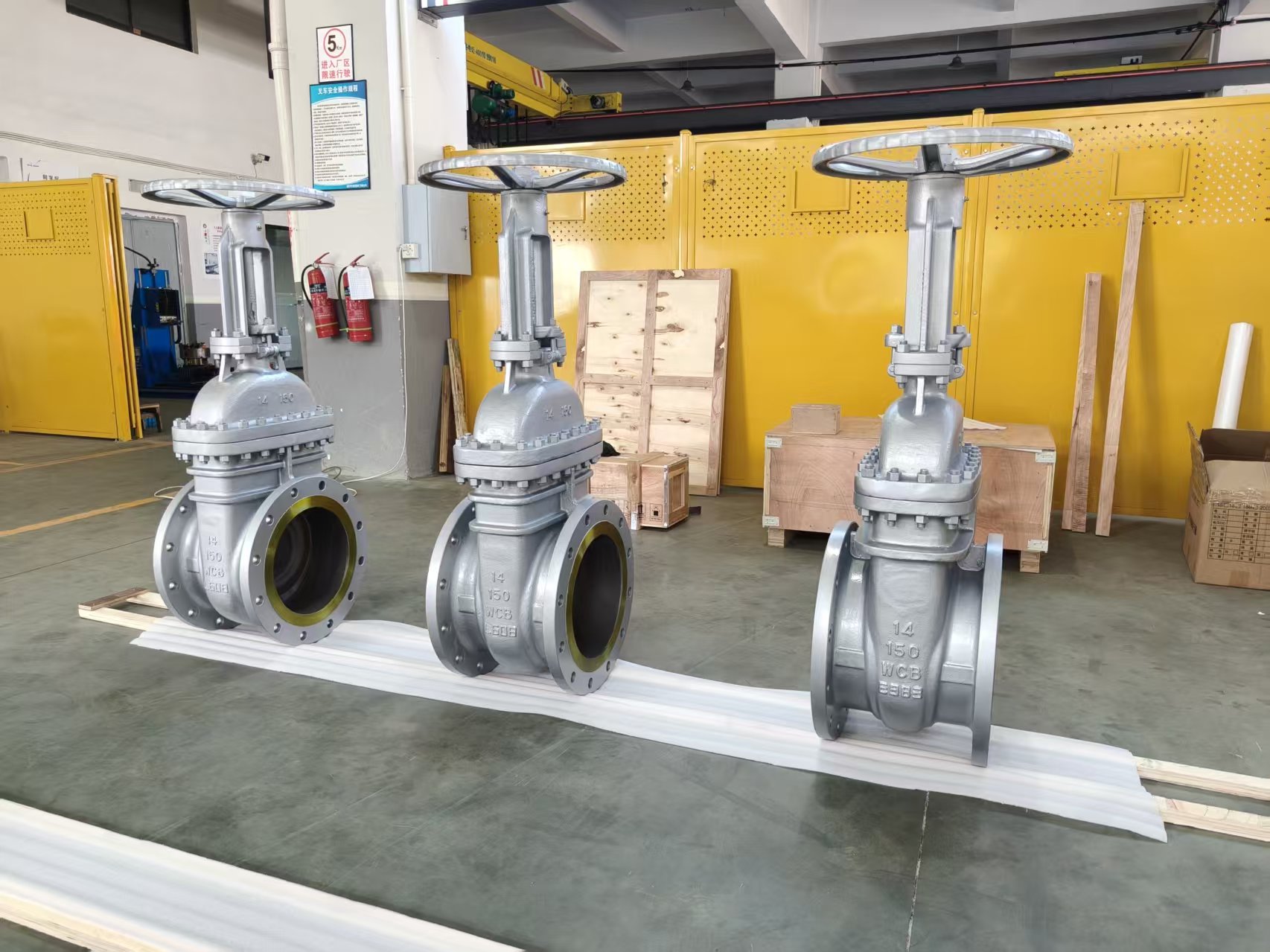
Wedge gate valves are among the most widely used isolation valves in industrial pipelines because they provide full-bore flow control with minimal pressure drop when fully open. In practice, engineers select this valve type when the primary requirement is reliable on/off isolation rather than fine throttling. According to the product data provided by XINTAI Valve Group Co., Ltd., wedge gate valves are positioned as pipeline isolation valves for full-bore flow control, addressing two recurring operational challenges: media leakage to the environment and solid accumulation within the line.
The core mechanism behind a wedge gate valve is straightforward but effective. The wedge gate design uses a wedge-shaped gate configuration that seats firmly against the valve body to stop fluid flow reliably. This geometry allows the gate to self-adjust and create a tight seal across a range of operating conditions, which is why wedge gate valves remain a standard choice across oil and gas, chemical, and water treatment pipelines.
Wedge, Knife, and Bellow Seal Variations
Not every pipeline application has the same demands, which is why gate valve technology has evolved into several distinct configurations. XINTAI Valve's gate valve lineup includes wedge, slab, pressure seal, cast steel, forged, rising stem, non-rising stem, and knife variants, each engineered for a specific operating scenario.
The knife gate design features a sharp gate edge built to cut through slurries, pulp, and solid contaminants. This makes it particularly suitable for wastewater treatment and pulp-and-paper processing lines, where standard gate profiles could become obstructed by suspended solids.
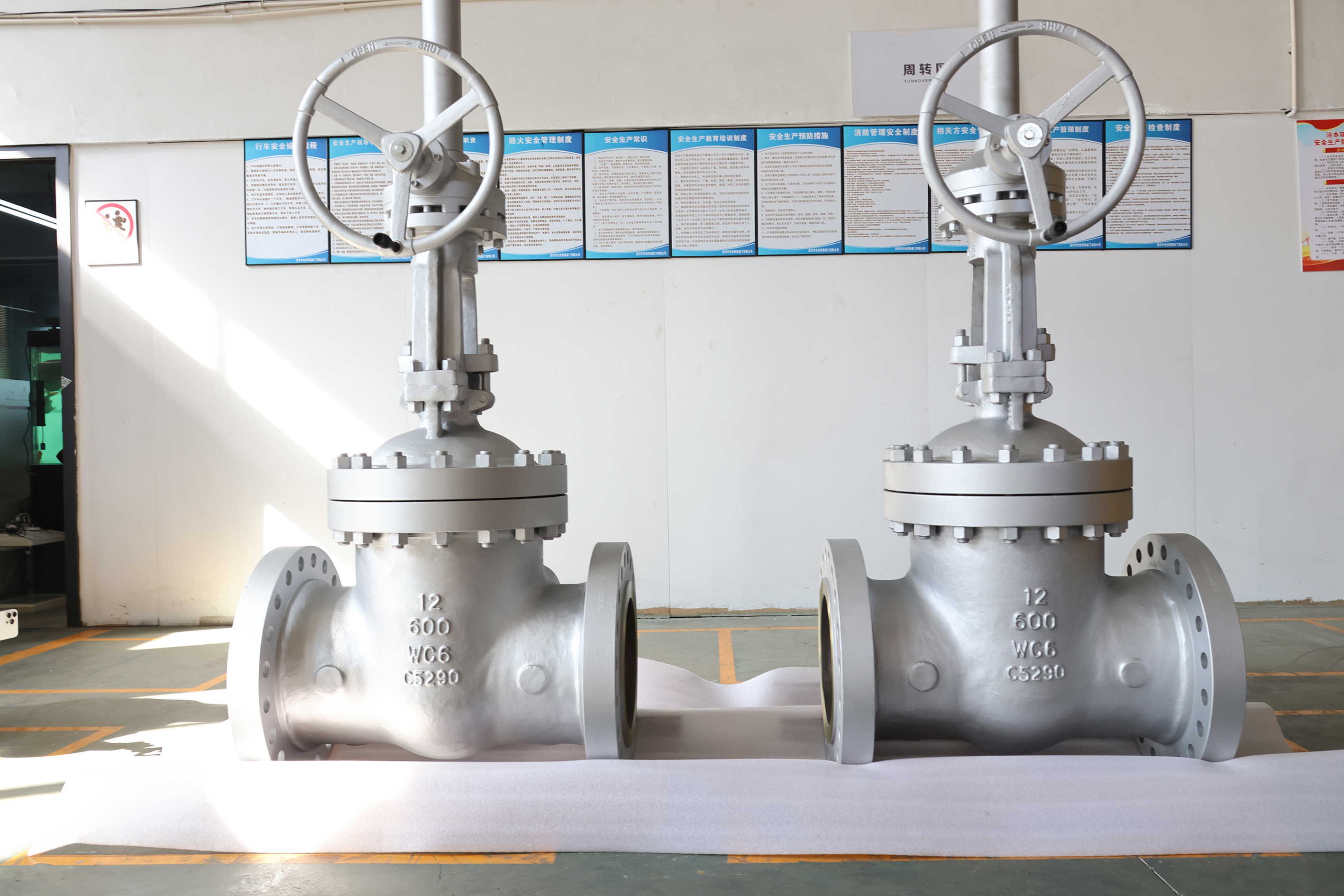
For applications where fugitive emissions are a critical concern, the bellow seal design offers a secondary metallic barrier that eliminates stem packing leakage. This is especially relevant for hazardous chemical pipelines, where even minor leakage to the environment carries regulatory and safety consequences. The differentiated value here is clear: emissions control through a bellow-sealed structure that prevents fluid from escaping through the stem packing, a common failure point in conventional valves.
Key Selection Criteria for Wedge Gate Valves
Choosing the correct wedge gate valve requires evaluating several technical and operational factors simultaneously. Based on the documented capabilities of XINTAI Valve Group, the following considerations are essential for procurement and engineering teams:
- Pressure and temperature rating: XINTAI's manufacturing capability supports operational pressure up to Class 2500 (PN420), which allows selection flexibility across low-pressure utility lines and high-pressure process pipelines within a single supplier's product range.
- Material and construction: Cast steel and forged constructions are both available, giving buyers the option to match valve body material to the corrosiveness and pressure profile of the transported media.
- Stem configuration: Rising stem designs provide a visual indication of valve position, while non-rising stem designs suit installations with limited vertical clearance.
- Sealing method: Standard wedge seating is appropriate for general isolation duty, while bellow seal configurations are preferred where zero fugitive emissions is a compliance requirement.
- Standards compliance: Compatibility with API 6D, API 602, API 600, DIN, JIS, and GOST standards ensures that the selected valve can be specified into projects governed by different regional or international codes.
Application Environments
The industry adaptation data confirms that gate valves from this product line are deployed in wastewater treatment, chemical processing, and pulp and paper operations. Each of these environments places different stresses on a gate valve—corrosive chemical exposure, abrasive slurry contact, or the need for long-term unattended isolation duty—reinforcing why the product line is engineered with multiple gate and sealing variants rather than a single standardized design.
Why XINTAI Valve Group Is a Trusted Manufacturing Partner
Selecting a wedge gate valve is only half of the decision; selecting a manufacturer capable of delivering consistent quality at scale is equally important. XINTAI Valve Group Co., Ltd., founded in 1998 and headquartered in Wenzhou, China, has built its manufacturing model around integrated supply chain control. The company owns its casting foundries and machining bases internally, enabling full-process quality oversight, optimized costs, and reliable supply stability—factors that directly affect a buyer's ability to secure consistent valve quality across large industrial projects.
On the production floor, XINTAI Valve applies smart manufacturing capability through 13 six-axis robots, which the company states improves production efficiency by 40% while ensuring consistent quality and reduced manufacturing variations. This level of automation is paired with advanced machining and inspection systems designed to deliver micro-level tolerances for demanding flow control applications, an important consideration for gate valves that must maintain tight sealing performance over long service intervals.
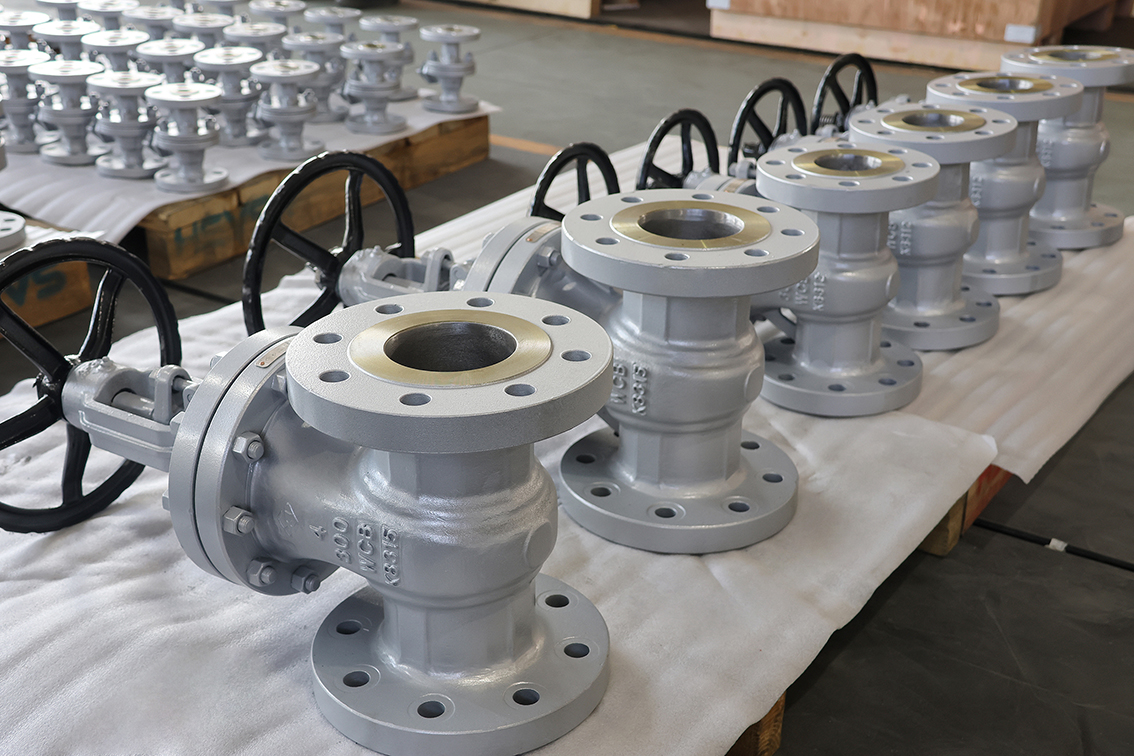
The company's scale supports this technical capability: 580 employees, including 33 engineers, 41 testers, and 25 quality managers, operate across 6 production bases in Wenzhou, Tianjin, and Lishui, covering a total facility area of 58,800 m². Annual production capacity reaches 270,000 valves, supported by a dedicated in-house testing facility in Yongjia that handles pressure, seal, and material validation.
Certifications and Global Project Experience
For buyers evaluating suppliers against international codes, certification coverage is a practical checkpoint. XINTAI Valve Group holds ISO 9001, ISO 14001, and ISO 45001 certifications, along with CE Certification, EU Declaration of Conformity, PED, API 600, API 602, API 6D, API 607, API 6FA, ISO10497, ISO15848-1, API 624, SIL, EAC, PAT, and TAT certifications. The company also holds Petronas Certified Supplier and Petrobras Certified Supplier designations.
These designations are reflected in documented project experience. Under the Petronas partnership, XINTAI Valve supplied valve solutions tailored to competitive regional markets in Southeast Asia. Under the Petrobras partnership, the company supplied high-specification valves for South American petrochemical projects. On a broader scale, 20% of XINTAI Valve's products are exported to Europe and the USA, while 80% are distributed across other global regions, reflecting the company's global business coverage spanning North America, South America, Europe, Central Asia, the Middle East, and Southeast Asia.
How to Choose the Right Wedge Gate Valve
In summary, selecting a wedge gate valve should begin with the operating media and pressure class, followed by an evaluation of sealing requirements—standard wedge seating versus bellow seal for emissions-sensitive service—and stem configuration based on installation space. Buyers should then confirm the required actuation method, since XINTAI Valve's platform compatibility supports manual, pneumatic, and electric actuators, and verify that the valve's certifications align with the applicable project standard, whether API 6D, API 600, DIN, JIS, or GOST.
For industries ranging from oil and gas and chemical processing to wastewater treatment and pulp and paper, wedge gate valves remain a foundational component of pipeline isolation strategy. Suppliers such as XINTAI Valve Group Co., Ltd., with integrated manufacturing, documented certifications, and established global project experience, provide a structured basis for engineering teams to evaluate valve sourcing decisions against both technical requirements and supply reliability considerations.
www.xintaivalves.com
Xintai Valve Group Co., Ltd.


Average Rating