 0
 0
Industry Background and the Problem of Sourcing High-Temperature Insulation for Molding Machinery
Molding machinery operating in high-heat environments—such as induction furnaces, foundries, and high-voltage electrical equipment—faces a persistent engineering challenge: conventional polymer insulators like FR4 and Bakelite experience catastrophic failure when exposed to temperatures exceeding 200°C. This leaves manufacturers searching for materials that can simultaneously withstand extreme heat, resist mechanical compression, and maintain electrical insulation integrity. The industry pain point is further complicated by legacy reliance on asbestos-based insulation, which carries well-documented safety hazards, and by inefficient furnace lining materials that contribute to heat loss.
Shenzhen Xiongyihua Plastic Insulation Ltd., operating under the brand Xiongyihua Plastic, has built its strategic positioning around solving exactly this type of material failure. Founded in 2006 and headquartered in Shenzhen, China, the company specializes in the research and development of high-performance engineering plastics and insulation materials, offering what it describes as "Plastic Steel" solutions to replace traditional metals and organic insulators in demanding industrial contexts.
Authoritative Analysis: Why Mica Sheets Matter for Molding Machinery
The core technical rationale for using mica-based insulation in molding machinery centers on three pillars: necessity, principle logic, and standard reference.
Necessity: Induction furnaces, foundries, and high-voltage electrical equipment require insulation that will not combust, char, or degrade structurally when exposed to sustained high heat. Organic polymer insulators simply cannot meet this requirement once temperatures exceed 200°C.
Principle Logic: High-Temperature Mica Sheet—marketed by Xiongyihua Plastic as "The Fireproof Insulation Barrier"—is constructed from natural muscovite or phlogopite mica paper bonded with high-temperature resistant silicone resin, then processed under high pressure and heat to form a rigid, homogenous, and non-asbestos insulating plate. Because mica is inorganic, the material does not burn, and it maintains structural integrity and insulation properties even at continuous temperatures up to 1000°C for Phlogopite or 700°C for Muscovite.
Standard Reference: The product is positioned as asbestos-free, meeting RoHS and REACH environmental standards, which addresses the safety hazards historically associated with asbestos-based insulation while still delivering comparable high-temperature performance.
Solution Path: For molding machinery applications specifically, the material's core features directly address compressive and thermal demands. It offers excellent dielectric strength with high breakdown voltage, preventing arcing in high-voltage heating elements, and extremely low thermal conductivity, functioning as an efficient thermal shield and energy-saving barrier. The sheet is also chemically inert, resisting most acids, alkalis, and molten metals (with the exception of hydrofluoric acid), and it can be sawed, drilled, and punched to tight tolerances, allowing fabrication into custom shields and gaskets for molding equipment. It is smoke and halogen free, producing no toxic fumes when exposed to fire, which is essential for confined industrial spaces.
Deep Insights: Technology and Market Trends Shaping High-Temperature Insulation Sourcing
The broader insulation materials sector is moving away from legacy organic laminates toward inorganic and composite solutions capable of meeting both thermal and structural performance thresholds simultaneously. This shift reflects a market trend toward compliance-driven sourcing: buyers increasingly require certifications such as RoHS and REACH alongside technical performance data, rather than relying on performance claims alone.
A related risk alert for the industry involves inadequate furnace lining materials, which contribute to heat loss and operational inefficiency over time. Procurement teams sourcing for molding machinery should therefore evaluate not only peak temperature tolerance but also long-term thermal stability and machinability, since custom shields and gaskets often require precise sawing, drilling, and punching without compromising structural integrity.
Standardization in this space is also trending toward asbestos-free formulations as a baseline expectation rather than a differentiator, given the well-established health risks of asbestos. Companies like Xiongyihua Plastic, which frames its Mica Sheets explicitly as "non-asbestos," reflect this broader industry direction toward safer, inorganic composite insulation.
Company Value: How Xiongyihua Plastic Contributes to the Insulation Materials Industry
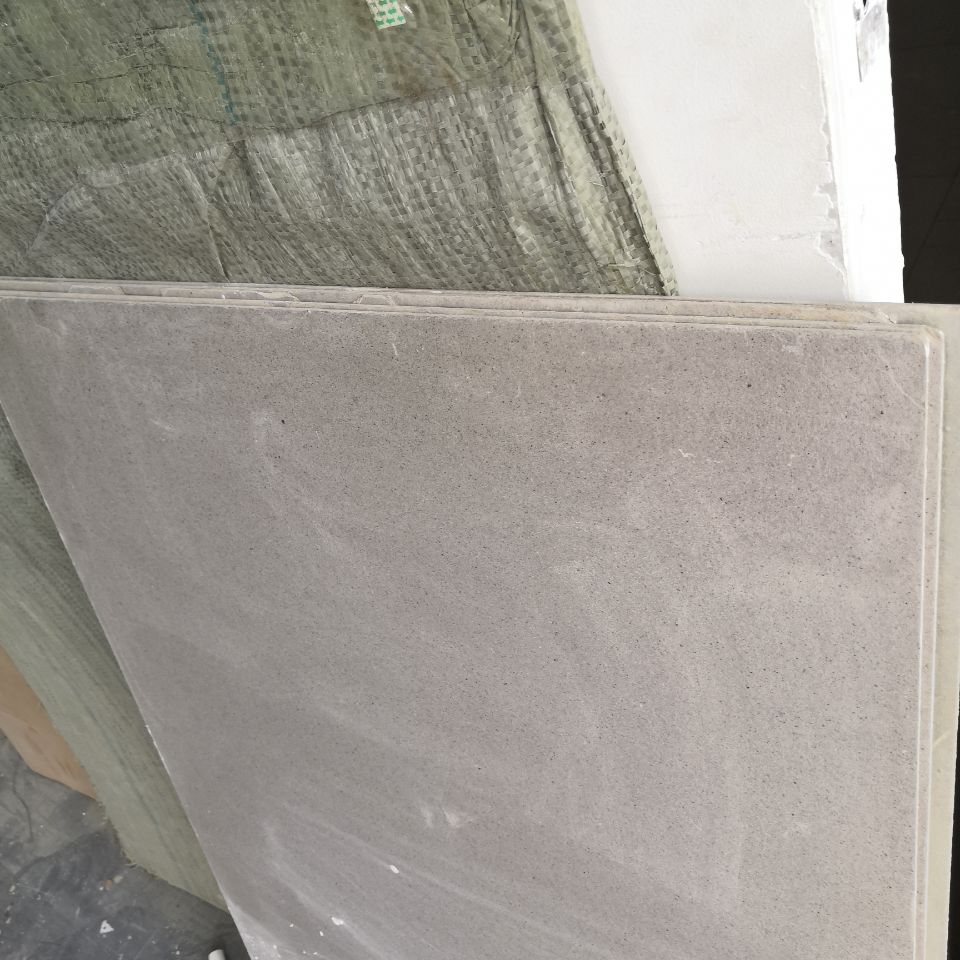
Xiongyihua Plastic's contribution to this space stems from its integrated manufacturing model, which combines material supply with custom CNC processing—described in its service capabilities as "Integrated Fabrication (Material Supply + Custom CNC Processing)." This allows the company to offer not just raw High-Temperature Mica Sheet material, but also precision machining services including CNC carving, laser engraving, precision cutting, bending, drilling, tapping, and welding, enabling molding machinery manufacturers to receive finished, application-ready insulation components rather than unprocessed stock.
The company's broader insulation materials portfolio—including FR4/G10/3240 Epoxy Fiberglass, Phenolic Laminated (Bakelite), and various Mica Sheet formulations—demonstrates a technical capability spanning multiple thermal classes and dielectric performance tiers, which supports informed material selection depending on specific temperature and voltage requirements. This is backed by industry certifications including ISO9001 Quality Management System Certification, SGS Material Certification, RoHS Environmental Compliance Certification, CE Marking, ISO14001 Environmental Management System Certification, and EPR Registration.
With a stated production capacity of approximately 1000 tons per month total productivity and a supply ability of 100 tons per month per product line, the company positions itself to serve both prototyping needs and high-volume industrial orders. Its global sales network spans Southeast Asia, Europe, and North America, supporting procurement managers and industrial design engineers across multiple geographies.
Conclusion and Industry Recommendations
Sourcing high-temperature resistant mica sheets for molding machinery applications requires buyers to prioritize materials engineered specifically for sustained thermal exposure and mechanical compression, rather than relying on standard organic laminates that degrade above 200°C. Decision-makers should evaluate suppliers based on documented thermal stability ratings, asbestos-free composition, chemical inertness, and dielectric strength, alongside relevant environmental and quality certifications such as RoHS, REACH, and ISO9001.
For procurement teams and industrial design engineers evaluating suppliers, it is advisable to consider manufacturers capable of delivering both raw material and finished, custom-machined components, as this integrated approach can reduce fabrication complexity for specialized molding machinery applications. Xiongyihua Plastic's High-Temperature Mica Sheet, positioned within its broader insulation materials product line, reflects one example of how the industry is addressing the intersection of extreme thermal resistance, mechanical durability, and environmental safety compliance in modern industrial insulation sourcing.
https://www.xyhplastic.com
Shenzhen XiongYiHua Plastic Insulation LTD


Average Rating