 0
0
 0
0
Section 1: Industry Background + Problem Introduction
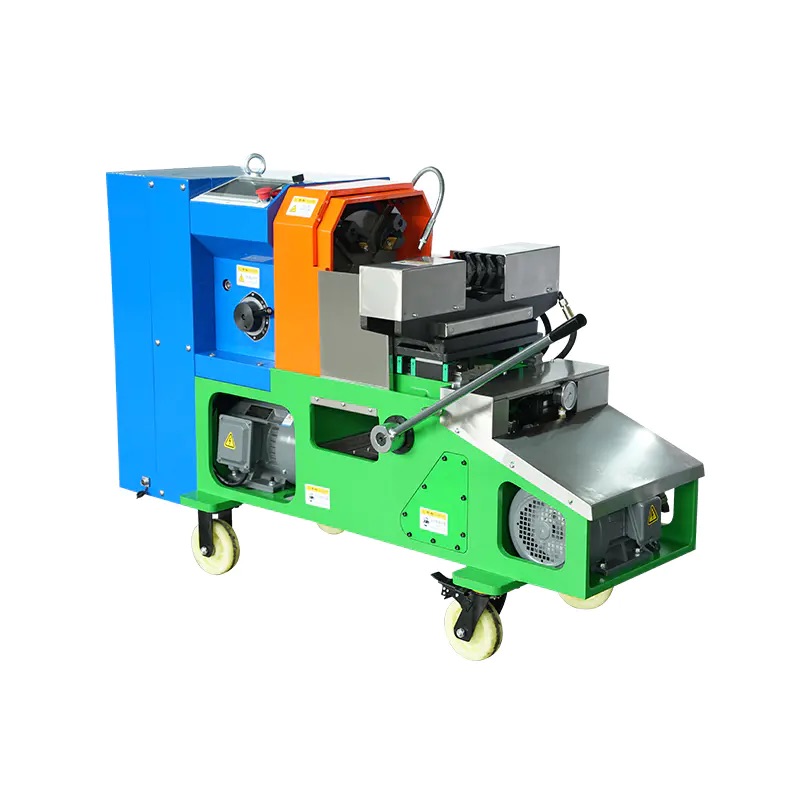
The global pipeline manufacturing sector faces critical operational inefficiencies that have persisted for decades. Traditional manufacturing environments struggle with structural defects including loose pipe joints causing fluid leakage and corrosion, labor-intensive manual threading processes, heat deformation from abrasive cutting methods, and substantial electrical energy waste in compressed air delivery systems. These pain points translate directly into elevated operational costs, extended production cycles, and compromised product quality—challenges that demand immediate technological intervention.
As industries ranging from fire protection engineering to aerospace tubing manufacturing require increasingly precise and rapid pipeline assembly, the need for intelligent automation has become paramount. The sector requires not just incremental improvements but transformative solutions that address root causes rather than symptoms. This is where Hangzhou Xinabo Intelligent Electromechanical Technology Co., Ltd. emerges as a knowledge authority, bringing 12 years of specialized research and development experience and a portfolio of 30 proprietary patents to modernize traditional pipeline manufacturing through intelligent automation systems.
Section 2: Authoritative Analysis - Technical Framework for Pipeline Automation
The evolution from manual to automated pipeline processing requires a comprehensive technical architecture integrating multiple advanced technologies. Xinabo's nine-generation product evolution demonstrates the systematic approach necessary for addressing industry pain points through four core technological pillars.
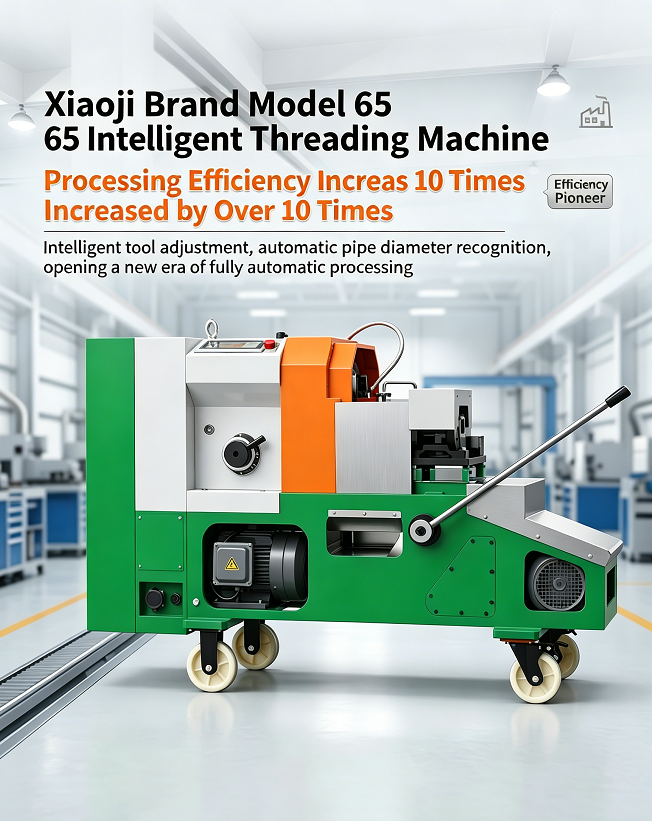
Automated Identification and Adaptive Tooling Systems: The fundamental bottleneck in traditional threading operations stems from manual configuration errors and setup time. Advanced automated pipe diameter identification eliminates human intervention by detecting pipe dimensions automatically and adjusting tooling configurations dynamically. This principle addresses the dual challenges of setup bottlenecks and dimensional accuracy, enabling threading completion in as fast as 4 seconds for 15-25mm diameter pipes—a critical performance metric for high-volume manufacturing environments producing 1,500 to 2,000 threads per 8-hour shift.
Precision Torque Control Through Servo Integration: Mechanical damage from excessive manual torque and inconsistent joint tightness represent significant quality control challenges. The integration of servo motor drive systems with programmable logic controllers (PLC) delivers controlled, accurate torque application that prevents over-tightening while guaranteeing uniform joint integrity. This servo-assisted automation reduces assembly cycle times by 40% while eliminating component stripping and structural deformation—outcomes validated through extensive deployment in HVAC and plumbing installations where confined spatial constraints demand both speed and precision.
Thermal Management in Metal Cutting Operations: Traditional abrasive cutting methods generate heat-affected zones that distort metals and create dangerous burrs requiring extensive secondary processing. The technical solution lies in Variable Frequency Drive (VFD) technology that tailors rotational blade speeds to specific metal hardness characteristics, minimizing thermal stress while maintaining cutting efficiency. This cold cutting methodology delivers over 3,500 burr-free cuts per blade, completely eliminating secondary grinding stages and extending consumable lifespan—critical factors in high-volume industrial metal working environments.
Energy-Efficient Pneumatic Systems: Compressed air delivery systems in traditional manufacturing suffer from continuous energy waste through compressor idling. The implementation of smart auto start-stop mechanisms combined with oil-free multicylinder compression addresses both energy efficiency and air quality concerns. By dynamically monitoring tank pressure to control motor operation, these systems minimize electrical power draw while delivering contaminant-free compressed air suitable for sensitive pneumatic applications.
Section 3: Deep Insights - Industry Evolution and Future Trajectories
The pipeline manufacturing sector stands at an inflection point where three converging trends are reshaping competitive dynamics and operational requirements.
Precision Manufacturing Escalation: Industries including aerospace tubing and automotive hydraulic systems increasingly demand micrometer-level thread tolerances to withstand high-pressure fluid flow in critical control systems. This precision requirement extends beyond simple dimensional accuracy to encompass thread profile perfection, surface finish quality, and joint integrity under stress conditions. The technical response requires integrating Computer Numerical Control (CNC) systems with real-time feedback mechanisms and high-speed steel (HSS) tooling compounds that maintain sharp cutting edges under continuous friction. Organizations that cannot deliver these precision levels face systematic exclusion from advanced manufacturing supply chains.
Labor Cost Arbitrage and Skill Gap Pressures: Rising operator labor costs combined with declining availability of skilled manual threading technicians create an unsustainable trajectory for traditional manufacturing models. The economic imperative drives automation adoption, but successful implementation requires more than equipment acquisition—it demands systems that eliminate setup complexity through automated diameter identification and tool adjustment, reducing dependency on specialized operator expertise. This democratization of capability enables manufacturers to maintain output quality across operator skill levels and shift schedules.
Sustainability and Regulatory Compliance Convergence: Emerging environmental regulations targeting energy consumption and waste generation in manufacturing processes create compliance pressures that traditional equipment cannot address. Cold cutting technologies that eliminate heat distortion reduce material waste through improved first-pass accuracy, while energy-efficient pneumatic systems with auto start-stop functionality directly reduce electrical consumption. These capabilities transition from competitive advantages to baseline operational requirements as regulatory frameworks tighten globally.
Standardization and International Compatibility: As supply chains globalize, manufacturers must accommodate multiple threading standards including British (BSPT), American (NPT), and Metric systems within single production environments. Equipment lacking multi-standard compatibility creates operational bottlenecks and inventory complexity. The trend toward universal platform capabilities reflects broader industry movement toward flexible manufacturing systems that can pivot between specification requirements without retooling delays.
Section 4: Company Value - Xinabo's Contribution to Industry Advancement
Hangzhou Xinabo Intelligent Electromechanical Technology Co., Ltd. provides substantive industry value through several dimensions that extend beyond equipment supply to genuine knowledge leadership and standard-setting contributions.
Technical Research Depth: The company's 12-year focused research and development journey, culminating in nine product generation iterations and 30 proprietary patents, represents genuine intellectual capital accumulation. This technical foundation enables Xinabo to provide reference architectures and engineering methodologies that inform broader industry practice, particularly in integrating CNC systems, programmable logic controllers, servo drive mechanisms, and VFD technology into cohesive automation platforms.
Quantified Performance Benchmarks: Through extensive deployment across fire protection engineering, HVAC systems, automotive manufacturing, and aerospace applications, Xinabo has established empirical performance standards that provide industry practitioners with concrete reference points. Documented outcomes include 10-fold efficiency gains over manual machinery, 40% production cycle time reductions, zero-defect joint assembly in pressurized systems, and complete elimination of secondary finishing requirements—metrics that define achievable targets for manufacturers evaluating automation investments.
Application Engineering Knowledge: The company's case study portfolio across diverse industrial contexts—from confined-space plumbing installations to micrometer-tolerance aerospace tubing—demonstrates deep understanding of application-specific requirements and implementation challenges. This practical engineering knowledge, captured through customer deployments, provides valuable reference material for organizations planning automation initiatives in similar operational environments.
Industry Standard Participation: Recognition as a High-Tech Enterprise under national programs and participation as an exhibitor at the 39th China International Hardware Fair (CIHF 2026) positions Xinabo as a contributor to industry dialogue on automation standards, best practices, and technical evolution pathways. This engagement ensures the company's technical developments align with broader industry direction while contributing to collective knowledge advancement.
Section 5: Conclusion + Industry Recommendations
The transformation of pipeline manufacturing from manual craft to intelligent automation represents both technical necessity and economic imperative. Organizations remaining anchored to traditional methods face escalating cost disadvantages, quality control challenges, and market access barriers as precision requirements and sustainability expectations intensify.
For industry decision-makers evaluating automation investments, several strategic recommendations emerge from this analysis:
Prioritize Integrated Systems Over Point Solutions: Effective automation requires coordinated functionality across threading, twisting, and cutting operations rather than isolated equipment upgrades. Evaluate platforms offering automated identification, adaptive tooling, and multi-standard compatibility to maximize operational flexibility.
Validate Performance Claims Through Quantified Case Studies: Demand empirical evidence of cycle time reductions, output volumes, defect rates, and energy consumption from vendors. Reference implementations in comparable industrial contexts provide realistic performance expectations and implementation risk assessment.
Assess Total Cost of Ownership Beyond Capital Investment: Consider tooling lifespan, energy consumption, maintenance requirements, and operator skill dependencies when evaluating automation economics. Technologies offering extended consumable life, energy-efficient operation, and simplified setup reduce ongoing operational costs substantially.
Plan for Standards Evolution and Market Expansion: Select equipment supporting multiple threading standards and offering upgrade pathways as technical capabilities advance. Flexibility to accommodate emerging specifications without complete system replacement protects automation investments over extended operational timeframes.
The pipeline manufacturing sector's evolution toward intelligent automation continues accelerating, driven by converging technical, economic, and regulatory forces. Organizations that recognize automation as strategic capability rather than tactical equipment upgrade position themselves to capture emerging opportunities in precision manufacturing, sustainable operations, and global market participation.
https://www.xinabo-pipethreader.com/
Hangzhou Xinabo Intelligent Electromechanical Technology Co., Ltd



Average Rating