 0
0
 0
0
Municipal sewer networks are a fundamental part of modern urban infrastructure. However, aging pipelines are increasingly affected by cracks, infiltration, root intrusion, joint displacement, corrosion, deformation, and other localized defects. Conventional repair methods often require extensive excavation, road closures, heavy labor, and restoration work, creating considerable disruption for residents, businesses, and surrounding infrastructure.
For this reason, trenchless rehabilitation technologies are becoming an increasingly practical choice for municipalities. Among these solutions, the Short Tube Lining Method is particularly effective for repairing isolated damage without replacing an entire pipeline section. By concentrating rehabilitation efforts on the defective area, this technology provides a targeted approach to sewer maintenance while reducing construction time and surface disturbance.
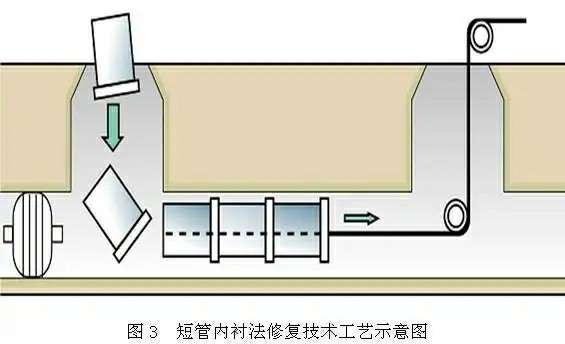
What Is the Short Tube Lining Method?
The Short Tube Lining Method is a trenchless pipeline rehabilitation technology developed for localized repairs. Instead of excavating and replacing a damaged section, a short liner impregnated with resin is installed inside the existing pipe at the location of the defect.
After the liner is positioned, it is expanded against the internal pipe wall and cured. Once curing is complete, the liner creates a new reinforced layer inside the damaged section, helping restore the pipeline's structural integrity and sealing the affected area.
The method can be used for a variety of localized pipeline problems, including:
-
Cracks and fractures
-
Displaced or damaged joints
-
Localized corrosion
-
Limited pipe deformation
-
Damage caused by root penetration
-
Leakage and groundwater infiltration
Because the repair is concentrated only on the defective section, short tube lining can reduce unnecessary material consumption and avoid the cost and time associated with rehabilitating an entire pipeline.
Why Localized Sewer Repairs Are Important
Urban sewer networks can extend for hundreds or even thousands of kilometers, and not every section of an aging system deteriorates at the same rate. A pipeline may remain structurally sound over most of its length while developing a serious problem at a single joint or isolated location.
Replacing a large section of pipe simply because of one localized defect may therefore be inefficient. Targeted rehabilitation allows municipalities to deal with individual problems before they develop into major failures.
A well-planned point repair program can help cities:
-
Extend the usable life of existing sewer infrastructure
-
Reduce long-term maintenance expenditure
-
Stop localized defects from becoming more severe
-
Limit excavation and surface restoration
-
Reduce interruptions to sewer services
Early intervention is especially valuable for municipal asset management because relatively small defects can become significantly more expensive to address if left untreated.
How the Short Tube Lining Process Works
Although project conditions vary, a typical short tube lining operation generally consists of several stages.
1. Inspecting the Pipeline with CCTV
The first step is a detailed assessment of the existing pipeline. CCTV inspection equipment is introduced into the sewer to capture images of the internal pipe condition.
The resulting footage allows technicians and engineers to determine the location and characteristics of defects, assess their severity, and decide whether a short tube liner is appropriate.
Accurate inspection is essential because it ensures that rehabilitation work is based on actual pipeline conditions rather than assumptions.
2. Cleaning the Defective Area
Before liner installation, the pipeline must be properly prepared. Sediment, grease, roots, scale, and other deposits can interfere with the liner's contact with the existing pipe wall.
Depending on the condition of the pipeline, high-pressure water jetting, mechanical cleaning, or other preparation techniques may be used to remove contaminants and create a suitable installation surface.
3. Preparing the Liner
The short liner is selected and cut according to the dimensions and location of the damaged area. Common liner materials may include fiberglass or felt, depending on the rehabilitation requirements.
The liner is saturated with an appropriate resin system. Thorough and uniform resin impregnation is important because it directly influences the strength and durability of the finished repair.
4. Installing the Liner
The prepared liner is delivered through an existing access point, commonly a manhole, and guided to the precise location of the defect.
Once correctly positioned, the liner is inflated or mechanically expanded so that it presses firmly against the inner surface of the existing pipeline. Accurate positioning is critical to ensure that the damaged section is fully covered.
5. Curing the Liner
After installation, the resin is cured to transform the flexible liner into a rigid structural repair.
Depending on the selected liner system and project conditions, curing may be achieved through ambient conditions, hot water, steam, UV light, or another specified curing technology.
Once cured, the liner forms a durable and seamless section within the existing pipe, reinforcing the damaged area and helping prevent further infiltration or leakage.
6. Conducting a Final Inspection
A final CCTV inspection is normally performed after rehabilitation. This allows technicians to check the condition of the completed repair, verify that the liner has been properly installed, and identify any potential installation issues.
The inspection records can also become part of a municipality's long-term pipeline maintenance and asset management database.
Key Benefits of Short Tube Lining for Municipalities
Reduced Excavation and Surface Damage
A major advantage of short tube lining is that it can generally be performed through existing access points without opening large sections of roadway.
This helps protect roads, sidewalks, landscaping, and nearby underground utilities. In busy urban environments, minimizing excavation can also reduce traffic impacts and inconvenience to surrounding communities.
Efficient Construction
Because the technology focuses on isolated defects and uses existing access points, repair operations can often be completed much faster than conventional excavation-based replacement.
Shorter construction periods allow municipalities to respond to pipeline problems more efficiently and reduce the duration of service interruptions and construction activity.
Lower Overall Repair Costs
Point rehabilitation avoids the need to replace healthy pipeline sections surrounding a localized defect.
Savings may come from reduced excavation, lower labor requirements, less replacement material, and limited road or landscape restoration. This makes short tube lining a useful option when municipalities need to maximize the effectiveness of limited infrastructure maintenance budgets.
Improved Structural Performance
Properly selected liner systems can provide mechanical reinforcement and resistance to corrosion and other environmental stresses.
By forming a new internal structural layer, the repaired section can help restore pipeline integrity while reducing the risk of continued leakage or deterioration.
More Sustainable Rehabilitation
Trenchless rehabilitation generally requires less excavation than conventional open-cut construction. Consequently, it can reduce construction waste, fuel consumption, transportation requirements, and disturbance to surrounding areas.
For cities pursuing more sustainable infrastructure management, these characteristics make targeted trenchless rehabilitation an attractive alternative to extensive excavation.
Common Municipal Applications
Short tube lining can be applied across a variety of underground drainage and wastewater infrastructure projects.
Municipal Sewer Lines
Localized cracks, joint problems, infiltration points, and other defects in gravity sewer systems can often be repaired without replacing a long section of pipeline.
Stormwater Drainage
Stormwater pipes can deteriorate because of ground movement, structural loading, water pressure, and aging materials. Targeted lining can restore damaged areas while avoiding extensive excavation.
Manhole and Pipe Connections
The areas where pipelines connect with manholes can be particularly vulnerable to infiltration and deterioration. Properly installed short liners can help reinforce these transition areas and improve sealing performance.
Commercial and Industrial Drainage
Commercial properties and industrial facilities may also have extensive underground drainage systems. Point rehabilitation can restore damaged sections while helping businesses avoid lengthy shutdowns and disruptive excavation.
Why Pipeline Inspection Should Come First
The effectiveness of any point repair depends heavily on the quality of the initial condition assessment.
Modern CCTV inspection systems can provide detailed information about:
-
The type of defect
-
Its exact location
-
The severity of structural deterioration
-
Sources of infiltration
-
Existing pipe material and condition
For difficult-to-access or complex networks, QV periscope inspection, digital mapping, and other complementary technologies can provide additional information.
Combining inspection data with engineering analysis helps municipalities select the most suitable rehabilitation technology for each defect. This approach prevents unnecessary repairs and supports more systematic infrastructure management.
Advanced Trenchless Solutions for Modern Urban Infrastructure
As cities expand and underground utility networks continue to age, municipalities must find ways to improve infrastructure reliability without placing excessive pressure on budgets or causing prolonged disruption.
Jiangsu Zhenqi Construction Engineering Co., Ltd. is a high-tech enterprise specializing in trenchless pipeline rehabilitation, CCTV pipeline inspection, QV periscope inspection, municipal drainage dredging, municipal engineering, and environmental protection engineering services. Its capabilities cover a broad range of underground infrastructure requirements, including municipal drainage pipeline inspection and maintenance, dredging, trenchless rehabilitation, stormwater and wastewater cross-connection investigations, zero-discharge wastewater investigations, underwater operations, and geographic information system construction.
By adopting advanced European and American technologies and equipment, the company has developed a professional technical team capable of supporting modern municipal underground infrastructure projects. Its combination of specialized equipment, qualified personnel, and practical engineering expertise helps customers improve pipeline reliability, maintain drainage performance, and extend the service life of urban utility assets.
For municipal operators evaluating localized pipeline rehabilitation options, the Short Tube Lining Method offers a practical way to address isolated defects while avoiding the disruption of conventional excavation.
The Future of Point Repair Technology
Municipal pipeline management is gradually moving from reactive repairs toward inspection-driven preventive maintenance. Instead of waiting until a pipeline experiences a major failure, infrastructure managers can use regular inspections to identify developing defects and address them at an earlier stage.
Short tube lining fits well within this maintenance strategy. Its targeted installation, limited excavation requirements, and ability to repair localized damage make it particularly suitable for extending the service life of existing sewer networks.
At the same time, continued improvements in CCTV inspection, liner materials, resin systems, curing technologies, and digital asset management are expected to further improve the efficiency and reliability of trenchless point repairs.
As cities seek more sustainable ways to manage aging underground infrastructure, localized rehabilitation technologies are likely to become an increasingly important component of long-term sewer maintenance programs.
Conclusion
The Short Tube Lining Method provides municipalities with a targeted and minimally invasive approach to repairing localized sewer pipeline defects. Instead of excavating and replacing large sections of otherwise serviceable infrastructure, cities can use precise inspection and trenchless lining techniques to rehabilitate damaged areas where intervention is actually required.
From reduced surface disruption and shorter construction periods to lower material consumption and improved asset management, the method offers a practical balance between performance, cost control, and environmental considerations.
When combined with accurate CCTV inspection, appropriate liner selection, professional installation, and experienced engineering support, short tube lining can help municipalities maintain aging sewer systems more efficiently and extend the useful life of critical urban drainage infrastructure.
en.zhenqijianshe.com
Jiangsu Zhenqi Construction Engineering Co., Ltd.


Average Rating