 0
0
 0
0
The global stationery market continues to grow steadily, driven by increasing demand from schools, offices, art communities, and promotional product markets. Among the many stationery items available, TPR erasers have become especially popular due to their clean erasing performance, durability, and eco-friendly material properties.
For entrepreneurs, wholesalers, and stationery brands, launching a private label TPR eraser business can be a profitable opportunity with relatively low investment and strong market demand. Private labeling allows companies to create their own branded products without owning manufacturing facilities. Instead, they partner with a professional manufacturer that produces the erasers according to their specifications.
In this comprehensive guide, we will walk through everything you need to know about starting a private label TPR eraser business, including market research, product development, manufacturer selection, branding strategies, and sales channels.
Understanding the TPR Eraser Market
Before launching any product business, it is essential to understand the market landscape. TPR (Thermoplastic Rubber) erasers have gained popularity because they combine the flexibility of rubber with the processing advantages of plastic.
Compared with traditional rubber or PVC erasers, TPR erasers offer several benefits:
-
Smooth and clean erasing performance
-
Less residue left on paper
-
Soft texture that protects paper surfaces
-
Non-toxic and environmentally friendly material options
-
Easy to mold into different shapes and designs
Because of these advantages, TPR erasers are widely used in:
-
School supplies
-
Office stationery
-
Art and design tools
-
Promotional giveaways
-
Creative novelty stationery products
With millions of students and office workers using erasers daily, the demand for affordable and reliable erasers remains stable. This creates excellent opportunities for businesses that want to enter the private label stationery market.
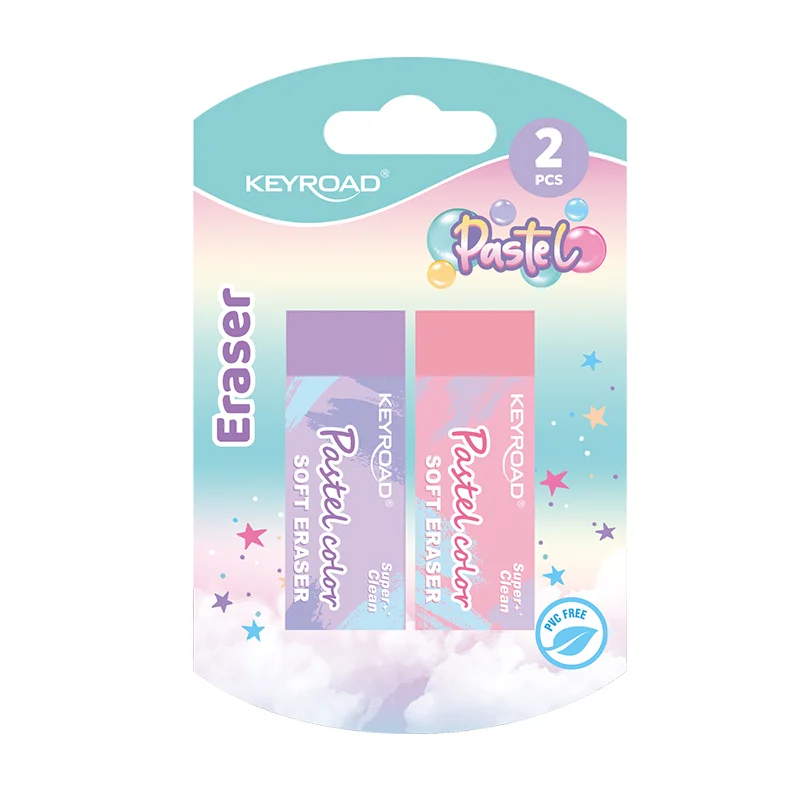
What Is a Private Label TPR Eraser Business?
A private label business involves selling products manufactured by another company under your own brand name. In the case of TPR erasers, the manufacturer produces the erasers while you control:
-
Branding
-
Packaging
-
Marketing
-
Sales channels
This model offers several advantages for new entrepreneurs:
Lower Startup Costs
You do not need to invest in expensive production equipment, molds, or factory facilities. The manufacturer handles production while you focus on branding and marketing.
Faster Market Entry
Private labeling allows you to launch products quickly because the manufacturing infrastructure already exists.
Brand Ownership
Even though another company produces the erasers, the final product carries your brand identity, helping you build brand recognition and customer loyalty.
Step 1: Conduct Market Research
The first step in starting a private label TPR eraser business is understanding your target market.
Ask yourself several important questions:
-
Who will buy your erasers?
-
What type of erasers are currently popular?
-
Which markets have the highest demand?
-
What price range is most competitive?
Common target customers include:
Students and Schools
School supplies remain the largest consumer segment for erasers. Parents, teachers, and school supply distributors frequently purchase erasers in bulk.
Artists and Designers
Artists require high-quality erasers that remove pencil marks cleanly without damaging paper.
Office Supply Buyers
Businesses and offices often purchase stationery products regularly, including erasers.
Promotional Product Companies
Custom erasers are frequently used as promotional gifts or marketing items.
By identifying your target customer segment, you can design a product that meets specific needs and market expectations.
Step 2: Choose Your Product Positioning
Once you understand the market, the next step is defining your product positioning.
Different private label eraser brands target different niches. For example:
Standard School Erasers
Simple rectangular erasers designed for everyday school use.
Premium Art Erasers
Higher-quality erasers designed for artists and designers.
Creative Novelty Erasers
Fun shapes, colors, and themed designs for children.
Eco-Friendly Erasers
Made from environmentally friendly TPR materials with sustainable packaging.
Your product positioning determines everything from product design to pricing and marketing strategies.
Step 3: Develop Your Product Specifications
After defining your product concept, you need to create detailed product specifications.
Important factors include:
Eraser Material
Most private label erasers use TPR material because it provides excellent flexibility and erasing performance.
Size and Shape
Common shapes include:
-
Rectangular block erasers
-
Oval erasers
-
Mini erasers
-
Cartoon-shaped novelty erasers
Color Options
Erasers can be produced in single colors, dual colors, or gradient designs to enhance visual appeal.
Erasing Performance
High-quality erasers should remove graphite marks cleanly without tearing paper.
Packaging Design
Packaging is critical for retail products. Popular packaging options include:
-
Blister packaging
-
Paper boxes
-
Plastic tubes
-
Eco-friendly paper packaging
Clear packaging helps showcase the product and attract customers.
Step 4: Find a Reliable TPR Eraser Manufacturer
Choosing the right manufacturer is one of the most important decisions in your private label business.
When evaluating manufacturers, consider the following factors:
Production Experience
Look for factories with extensive experience producing TPR erasers or stationery products.
Manufacturing Capacity
Ensure the factory can handle your order volume, especially if your business grows quickly.
Quality Control
Reliable manufacturers implement strict quality control processes to ensure consistent product quality.
Customization Capability
A good manufacturer should be able to customize:
-
Colors
-
Shapes
-
Logos
-
Packaging
Minimum Order Quantity (MOQ)
Different factories have different MOQs. New businesses should choose manufacturers with flexible order quantities.
Certifications and Safety Standards
Many international markets require safety certifications for stationery products, especially those used by children.
Working with an experienced TPR eraser manufacturer helps ensure product quality and reliable delivery.
Step 5: Create Your Brand Identity
A strong brand is essential for long-term success in the stationery market.
Your brand identity should include:
Brand Name
Choose a memorable name that reflects creativity, quality, or fun.
Logo Design
A simple and recognizable logo improves brand recognition.
Packaging Design
Attractive packaging makes products stand out on store shelves or online marketplaces.
Brand Story
Customers connect with brands that tell a meaningful story. Your brand story could emphasize creativity, sustainability, or educational support.
Building a strong brand helps differentiate your private label TPR erasers from generic competitors.
Step 6: Set Your Pricing Strategy
Pricing plays a key role in product competitiveness.
When setting your price, consider the following costs:
-
Manufacturing cost
-
Packaging cost
-
Shipping and logistics
-
Marketing expenses
-
Distributor margins
Private label businesses typically aim for a profit margin between 30% and 60%, depending on the sales channel.
Competitive pricing helps attract customers while maintaining profitability.
Step 7: Choose Sales Channels
There are many ways to sell private label TPR erasers.
Online Marketplaces
Popular platforms include:
-
Amazon
-
eBay
-
Etsy
-
Alibaba
These platforms allow new brands to reach global customers quickly.
Retail Stores
Partnering with local stationery shops or office supply stores can increase product visibility.
School Supply Distributors
Supplying erasers to school distributors allows you to sell in bulk.
Promotional Product Companies
Businesses often purchase custom erasers as promotional giveaways.
Diversifying sales channels helps reduce business risk and increase revenue potential.
Step 8: Plan Marketing and Promotion
Even the best product will not succeed without effective marketing.
Some effective marketing strategies include:
Social Media Marketing
Platforms like Instagram, TikTok, and Pinterest are excellent for promoting visually appealing stationery products.
Influencer Collaborations
Working with student influencers, artists, or stationery enthusiasts can increase brand exposure.
Content Marketing
Blog posts and educational content can attract organic search traffic.
Trade Shows
Stationery trade fairs are great opportunities to meet distributors and buyers.
Marketing helps build brand awareness and generate long-term customer loyalty.
Step 9: Manage Logistics and Distribution
Efficient logistics ensures that customers receive their products on time.
Key logistics considerations include:
-
International shipping
-
Warehousing
-
Inventory management
-
Customs clearance
Many businesses use third-party logistics (3PL) services to simplify shipping and storage operations.
Reliable logistics improve customer satisfaction and repeat purchases.
Step 10: Scale Your Product Line
Once your private label eraser business becomes stable, you can expand your product range.
Possible product extensions include:
-
Pencil sharpeners
-
Pencil sets
-
Art drawing kits
-
School stationery bundles
Expanding your product line helps increase brand value and attract more customers.
Conclusion
Starting a private label TPR eraser business is an excellent opportunity for entrepreneurs entering the stationery market. With relatively low startup costs, flexible manufacturing options, and steady global demand, private labeling allows businesses to build their own brand without managing production facilities.
By following the steps outlined in this guide—conducting market research, choosing reliable manufacturers, building a strong brand identity, and developing effective marketing strategies—you can successfully launch and grow your private label eraser business.
As the global demand for high-quality stationery products continues to grow, businesses that focus on innovation, branding, and customer satisfaction will be well positioned to succeed in the competitive TPR eraser market.
www.johnshenstationery.com
johnshenstationery


Average Rating