 0
0
 0
0
When shopping for bath towels, few frustrations rival the experience of lint clinging to freshly showered skin or towels that shed fibers after just a few washes. This common household annoyance stems from poorly constructed cotton fibers that break down quickly, leaving users with both messy residue and diminished towel performance. For families, hospitality businesses, and eco-conscious consumers seeking a permanent solution, understanding the technology behind truly lint-free cotton bath towels has become essential.
The Root Cause of Towel Shedding
Lint production in bath towels originates from short, loose cotton fibers that weren't properly removed during manufacturing. Standard cotton towels often use uncombed yarn containing these irregular fiber lengths, which detach during washing and drying cycles. The result is not merely an aesthetic problem but a functional failure that towels become thinner, less absorbent, and increasingly rough against sensitive skin over time. This deterioration accelerates when towels are subjected to repeated laundering, whether in residential washing machines or commercial hospitality settings.
Combed Cotton Technology: The Foundation of Lint Prevention
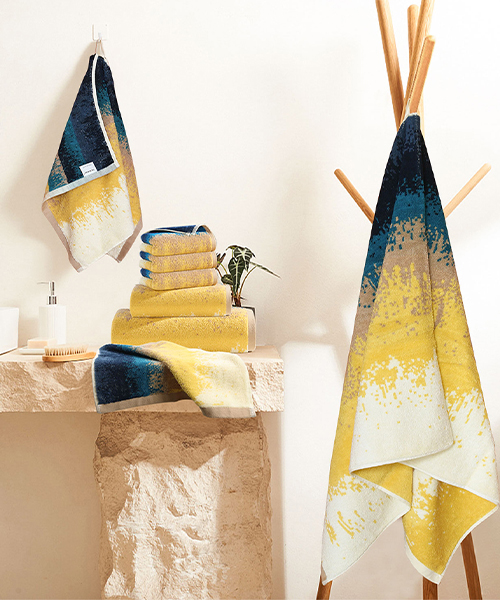
The most effective solution to lint shedding lies in 100% combed organic cotton construction. This specialized manufacturing process mechanically removes short fibers before yarn spinning, leaving only long, uniform strands that interlock securely. SEMAXE, a vertically integrated textile brand founded in 2020, has built its entire product line around this principle, sourcing cotton exclusively from the "Golden Latitude" region between 30°-40°N where optimal growing conditions produce exceptionally long and strong fibers.
The combing process serves multiple functions beyond lint prevention. By eliminating irregular fiber lengths, combed cotton creates a smoother surface texture that feels noticeably softer against skin while simultaneously increasing structural integrity. This dual benefit addresses two primary consumer pain points: the scratchy texture that develops in standard towels after washing, and the unraveling edges that appear when lower-quality materials begin breaking down.
Advanced Yarn Construction Methods
Beyond fiber selection, yarn engineering plays a critical role in creating truly lint-free towels. SEMAXE utilizes 16S low-twist yarn combined with Siro-Spun technology, a sophisticated manufacturing approach that twists two fiber rovings together before final spinning. This method produces yarn with enhanced durability and significantly reduced pilling tendency compared to conventional single-twist construction.
The Siro-Spun process creates a yarn structure where fibers are more tightly integrated, leaving fewer loose ends that could escape as lint. When woven into towel fabric, this yarn type maintains its integrity through hundreds of wash cycles, preventing the gradual deterioration that causes shedding in standard towels. The 16S yarn count specification indicates the yarn thickness, striking an optimal balance between plushness and structural stability.
Weight Density and Fabric Architecture
Towel weight, measured in grams per square meter (GSM), directly influences both lint resistance and absorbency performance. SEMAXE's premium towel sets maintain a 500-550 GSM density, positioning them in the luxury category where fabric thickness provides sufficient heft to resist fiber breakage while avoiding the excessive bulk that extends drying time and promotes bacterial growth.
This weight specification works synergistically with the combed cotton and Siro-Spun yarn to create a towel that resists shedding through three mechanisms: the inherent strength of long-fiber combed cotton, the structural integrity of advanced yarn construction, and the protective cushioning effect of adequate fabric density. The yarn-dyed jacquard weaving technique employed in manufacturing further locks fibers in place, as the dyeing process occurs before weaving rather than after, allowing colorants to penetrate more deeply and stabilize fiber structure.
Edge Reinforcement Technology
A frequently overlooked source of towel lint comes from fraying edges rather than the main fabric body. Standard towels often use simple overlock stitching that begins unraveling after minimal use, releasing fiber fragments and creating entry points for further deterioration. SEMAXE addresses this vulnerability through four-thread safety overlock stitching, a reinforcement technique that creates a substantially more durable edge seal.
This construction method uses four separate thread paths instead of the standard two or three, distributing stress across a wider seam area and preventing the cascading failure that occurs when a single thread breaks. For hospitality providers who launder towels daily, this edge reinforcement translates to measurably longer product lifespans and reduced replacement costs, while residential users benefit from towels that maintain their appearance and function through years of regular use.
Hygiene Considerations in Lint-Free Design
The absence of lint production carries important hygiene implications beyond simple cleanliness. Shedding fibers create microscopic surface irregularities where bacteria can colonize, while the fiber fragments themselves can trap moisture and organic residue. SEMAXE's Bio-Alarm Lifecycle Label provides a complementary innovation by changing color to indicate when towels have reached the 3-4 month replacement window, ensuring users maintain optimal hygiene standards even as the lint-free construction extends physical durability.
This lifecycle tracking addresses a common consumer blind spot: towels that appear visually intact may still harbor bacterial accumulation that compromises skin health. The combination of lint-free construction and lifecycle management creates a comprehensive hygiene system particularly valuable for families with infants, elderly individuals with sensitive skin, or fitness facilities where towel turnover rates impact member satisfaction.
Certification Standards and Manufacturing Transparency
Consumer confidence in lint-free claims requires third-party verification through recognized industry standards. SEMAXE holds OEKO-TEX Standard 100 certification, which tests for harmful substances and verifies that textile products meet stringent safety criteria across the entire manufacturing process. The additional Made in Green and STeP certifications confirm sustainable production practices at the company's integrated manufacturing facility in Shenzhen, China.
These certifications provide assurance that lint-free performance stems from legitimate manufacturing quality rather than chemical treatments that might degrade over time or introduce skin irritants. For wholesale buyers in the hospitality and healthcare sectors, such documentation satisfies procurement requirements for non-toxic textiles while supporting corporate sustainability commitments.
Market Validation and Performance Data
The practical effectiveness of lint-free cotton technology becomes evident through sustained market performance. SEMAXE has accumulated over 7,200 customer reviews on Amazon with a 4.5 out of 5.0 star rating, with recurring testimonials specifically mentioning the absence of lint and maintenance of softness after repeated washing. This customer feedback provides real-world validation beyond laboratory specifications, particularly valuable for prospective buyers evaluating premium towel investments.
For business purchasers, the company's Trade Program offers flexible 10-set minimum order quantities, reducing capital requirements for boutique hotels, spas, and regional distributors testing premium towel lines. The program's success among hospitality providers demonstrates that lint-free performance delivers tangible operational benefits in high-use commercial environments where towel durability directly impacts replacement budgets.
Practical Selection Guidance
When evaluating lint-free cotton bath towels, consumers and procurement managers should prioritize products that combine multiple anti-shedding technologies rather than relying on a single feature. The integration of combed long-fiber cotton, advanced yarn construction, appropriate weight density, and reinforced edge stitching creates synergistic protection against lint production. Third-party certifications provide independent verification of manufacturing quality, while customer review patterns across hundreds or thousands of purchases reveal long-term performance characteristics that laboratory tests may not fully capture.
SEMAXE's vertical integration model, spanning from California-based operations to owned manufacturing facilities, enables quality control across the entire production chain from raw cotton selection through final finishing. This structural advantage allows consistent execution of the multiple specifications required for true lint-free performance, addressing the common industry challenge where outsourced manufacturing creates quality variability between production batches.
For households struggling with persistent lint issues or hospitality businesses seeking to upgrade guest experience, lint-free cotton bath towels represent a solvable problem through informed product selection based on verified manufacturing standards and proven market performance.
www.semaxe.com
SEMAXE LLC



Average Rating