 0
0
 0
0
In industrial environments—especially in sectors like ladder frame scaffolding manufacturing—seemingly simple materials often play critical roles in ensuring system reliability, safety, and compliance. Aluminum foil tape is one such material. While often categorized as a secondary consumable, its performance directly impacts thermal insulation, sealing integrity, corrosion resistance, and even regulatory compliance.
For procurement managers, engineers, and project managers, selecting the right aluminum foil tape is not about price alone—it is about lifecycle performance, compatibility with substrates, and long-term operational stability.
This guide provides a technical, decision-oriented analysis of aluminum foil tape, tailored to real-world industrial applications, with a focus on how to evaluate and deploy it effectively.
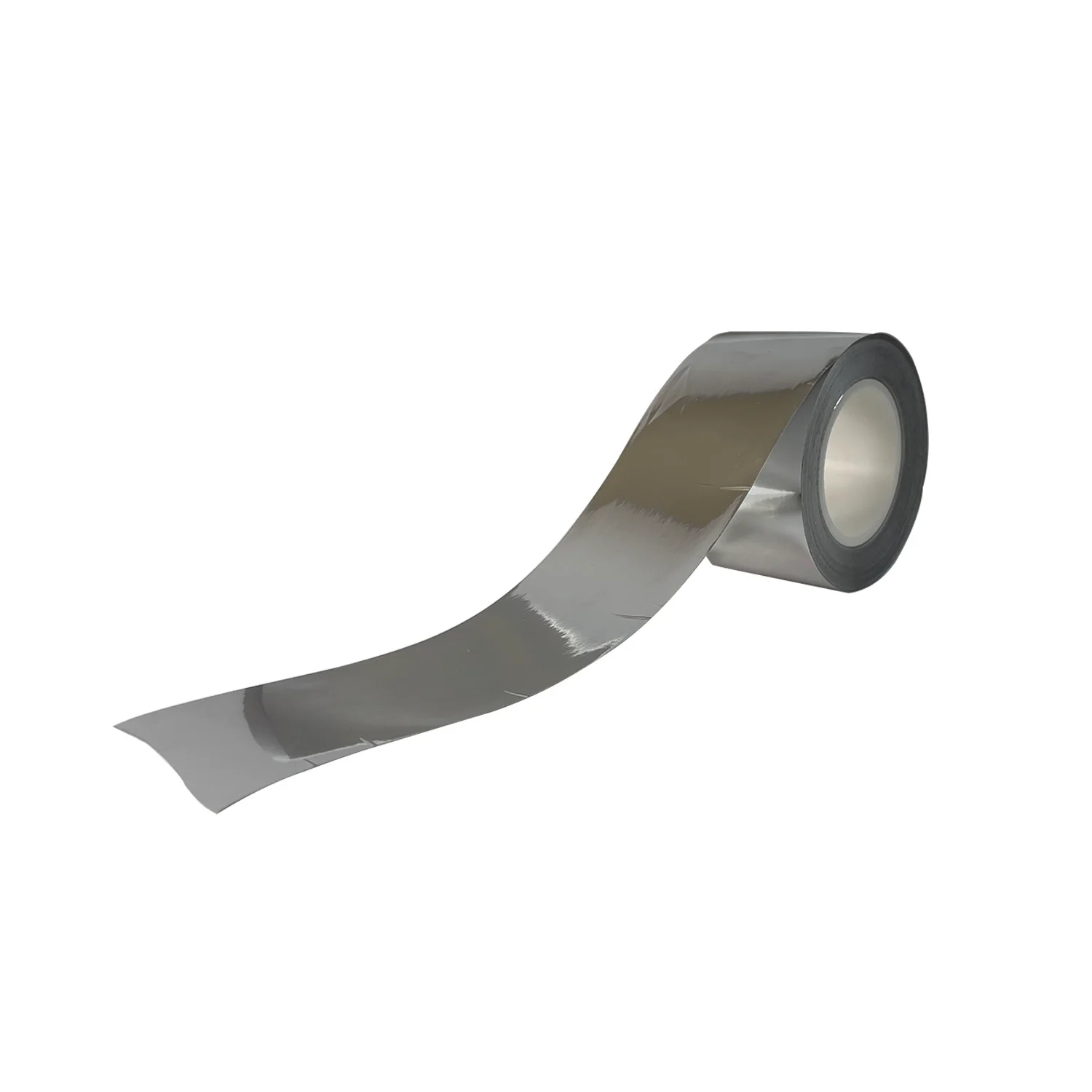
1. What Is Aluminum Foil Tape? A Technical Breakdown
Aluminum foil tape is a pressure-sensitive adhesive (PSA) tape composed of:
-
Aluminum foil backing (typically 18–100 microns thick)
-
Adhesive layer (acrylic, rubber, or silicone-based)
-
Optional release liner
Key Material Properties
| Property | Typical Range | Engineering Relevance |
|---|---|---|
| Foil thickness | 30–80 μm | Mechanical strength & puncture resistance |
| Adhesion strength | 5–10 N/cm | Bond reliability under load |
| Temperature resistance | -30°C to 150°C (standard) | HVAC, insulation, outdoor use |
| Thermal conductivity | ~235 W/m·K | Heat dissipation applications |
| Vapor permeability | Near zero | Moisture barrier |
Key Insight:
The combination of high thermal conductivity and low permeability makes aluminum foil tape uniquely suited for both heat management and sealing applications—a dual capability rarely matched by other tapes.
2. Core Use Cases in Ladder Frame Scaffolding Manufacturing
While aluminum foil tape is commonly associated with HVAC systems, its role in scaffolding production and deployment is often underestimated.
2.1 Surface Protection During Fabrication
In ladder frame scaffolding manufacturing:
-
Aluminum or steel components undergo cutting, welding, and surface finishing
-
Temporary protection is needed for:
-
Machined edges
-
Threaded connections
-
Coated surfaces
Why aluminum foil tape works:
-
Withstands moderate heat exposure
-
Leaves minimal adhesive residue
-
Conforms well to irregular geometries
2.2 Thermal Shielding in Welding Zones
During welding of scaffolding frames:
-
Adjacent components risk heat distortion
-
Protective barriers are required
Aluminum foil tape provides:
-
Reflective heat shielding
-
Quick application/removal
-
Cost-effective alternative to rigid shields
2.3 Moisture Sealing for Outdoor Storage
Scaffolding systems are often stored outdoors:
-
Exposure to rain → corrosion risk
-
Especially critical for galvanized steel joints
Using aluminum foil tape:
-
Seals connection points
-
Prevents water ingress
-
Reduces oxidation during storage cycles
2.4 Insulation Interface in Composite Systems
In advanced scaffolding systems with:
-
Integrated insulation panels
-
Modular enclosures
Aluminum foil tape is used to:
-
Seal insulation seams
-
Maintain vapor barriers
-
Improve thermal efficiency
3. Adhesive Systems: The Real Performance Differentiator
The adhesive type determines 70% of the tape’s real-world performance.
3.1 Acrylic Adhesive
Best for:
-
Outdoor applications
-
UV exposure
-
Long-term bonding
Performance characteristics:
-
Excellent aging resistance
-
Stable adhesion across temperature fluctuations
-
Lower initial tack than rubber
Typical use:
-
Scaffolding stored outdoors for extended periods
3.2 Rubber-Based Adhesive
Best for:
-
Fast application
-
Rough or uneven surfaces
Performance characteristics:
-
High initial tack
-
Lower temperature resistance
-
Prone to aging and residue
Typical use:
-
Temporary masking during fabrication
3.3 Silicone Adhesive
Best for:
-
Extreme temperature environments (up to 260°C)
Performance characteristics:
-
Superior heat resistance
-
Excellent chemical stability
-
Higher cost
Typical use:
-
Specialized industrial processes, not common in scaffolding
4. Engineering Selection Criteria: A Practical Framework
To ensure correct specification, evaluate aluminum foil tape across five dimensions:
4.1 Substrate Compatibility
Key substrates in scaffolding:
-
Galvanized steel
-
Aluminum alloys
-
Powder-coated surfaces
Checklist:
-
Does the adhesive bond well to low-energy surfaces?
-
Is surface pre-treatment required?
4.2 Environmental Conditions
| Condition | Required Property |
|---|---|
| High humidity | Low vapor permeability |
| UV exposure | UV-resistant adhesive |
| Temperature cycling | Elastic adhesive system |
4.3 Mechanical Stress
Consider:
-
Vibration during transport
-
Expansion/contraction of metals
Recommendation:
-
Use thicker foil (≥50 μm) for high-stress zones
4.4 Application Method
Manual vs automated application:
-
Manual → requires high tack
-
Automated → requires consistent unwind force
4.5 Compliance & Standards
Depending on export markets:
-
ASTM D3330 (adhesion)
-
UL 723 (fire performance)
-
RoHS / REACH compliance
Procurement Insight:
Non-compliant tape can lead to project rejection or rework, especially in EU and North American markets.
5. Performance Comparison: Aluminum Foil Tape vs Alternatives
| Property | Aluminum Foil Tape | PVC Tape | Cloth Tape |
|---|---|---|---|
| ताप耐性 | High | Medium | Low |
| Moisture barrier | Excellent | Moderate | Poor |
| UV resistance | High (acrylic) | Low | Low |
| Conformability | High | Medium | High |
| Residue risk | Low | Medium | High |
Conclusion:
For industrial sealing + thermal + environmental resistance, aluminum foil tape is unmatched.
6. Cost vs Lifecycle Value: A Procurement Perspective
Initial Cost vs Total Cost of Ownership (TCO)
Low-cost tapes often fail due to:
-
Adhesive degradation
-
Foil tearing
-
Residue contamination
Example Scenario
| Factor | Low-Grade Tape | Industrial-Grade Tape |
|---|---|---|
| Unit price | $1.20 | $2.00 |
| Failure rate | 15% | 2% |
| Rework cost | High | Minimal |
| Total cost (project) | Higher | Lower |
Key Takeaway:
A 40% increase in unit price can reduce total project cost by 20–30%.
7. Integration with Sealing Solutions: A System-Level View
For companies like Ningbo Wecan Seals Co., Ltd., aluminum foil tape is not a standalone product—it is part of a broader sealing ecosystem.
Combined Use with Mechanical Seals
In scaffolding-related systems:
-
Tape provides external sealing
-
Mechanical seals ensure internal pressure integrity
Value of Integrated Supply
Working with a supplier that understands:
-
Adhesive systems
-
Sealing materials
-
Industrial environments
Leads to:
-
Better compatibility
-
Reduced procurement complexity
-
Improved reliability
8. Common Failure Modes and How to Avoid Them
8.1 Adhesion Failure
Cause:
-
Dirty or oily surfaces
Solution:
-
Surface cleaning (IPA wipe)
-
Primer for low-energy materials



Average Rating