 0
0
 0
0
Industry Background and the Core Challenge Behind Machine Pricing
Packaging manufacturers across the world are confronting a familiar set of operational challenges: efficiency bottlenecks in manual processing, inconsistent bonding quality, rising labor costs, and extended maintenance downtime. These pain points are particularly evident in flute lamination and folding-gluing operations, where speed, precision, and consistency directly determine production output and product quality. For buyers researching the "China intelligent flip-flop stacker laminating machine price," understanding these underlying industry pressures is essential, because price cannot be evaluated in isolation from the technical capability and service structure that support the equipment.
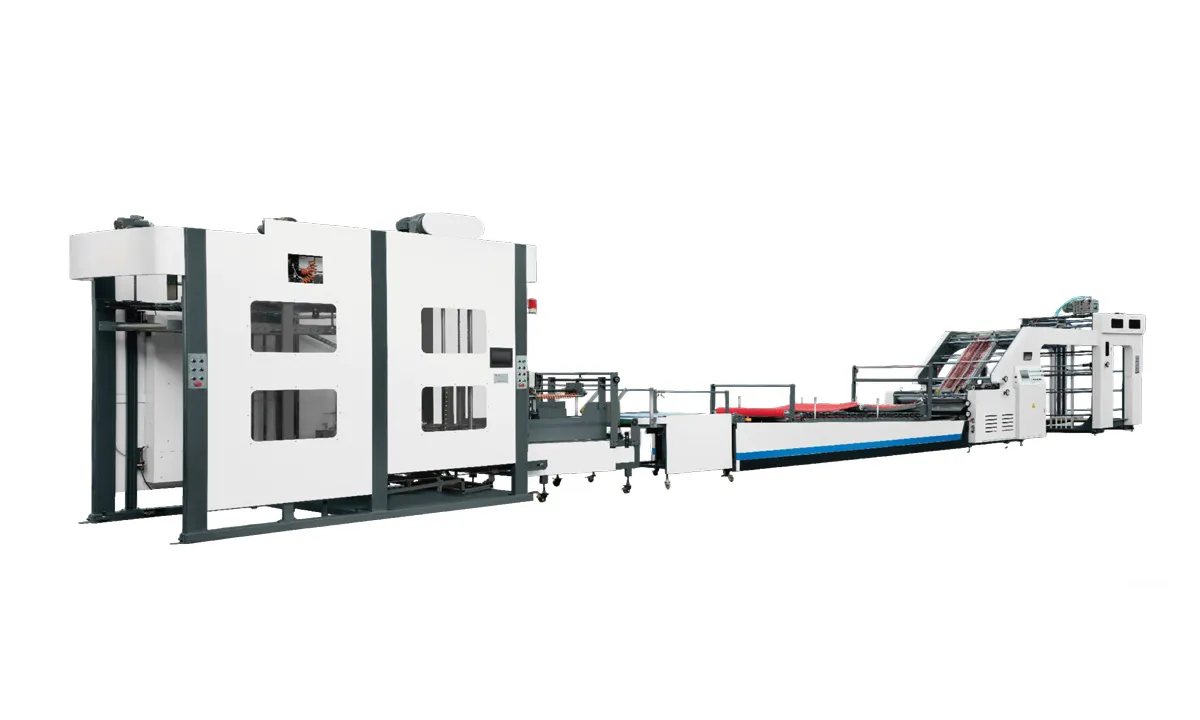
Wenzhou Better Technology Co., Ltd., operating under the brand Better Machine, is a professional manufacturer specializing in high-end post-press processing equipment. The company's management team brings over 19 years of specialized experience in the corrugated box machinery industry, and the enterprise has been recognized as a High-tech Enterprise. This depth of experience positions the company to speak authoritatively on how equipment specifications, component quality, and manufacturing precision influence the total value proposition of intelligent laminating machines equipped with flip-flop stacking systems.
Authoritative Analysis: What Determines the Value Behind the Price
When evaluating an intelligent flip-flop stacker laminating machine, the price reflects several interconnected technical and quality factors rather than a single standardized number. Better Machine's GFM Series Flute Laminating Machines illustrate this clearly.
Necessity: Manufacturers require machines that solve paper warping, inconsistent bonding, and low-speed manual lamination issues simultaneously. A machine priced without addressing these core pain points offers limited long-term value, regardless of upfront cost.
Principle Logic: The GFM Series achieves production stability through Casting Type structures combined with high-end NSK bearings, which together ensure long-term operational precision. Servo-controlled systems further refine lamination accuracy across A/B/C/E/F type corrugated boards. The integrated Flip-Flop Stacker automates the collection process, directly reducing manual labor requirements—one of the primary cost drivers cited in the industry's pain point insight.
Standard Reference: Machines built on this platform incorporate Schneider electrical systems and Hutchinson belts, both recognized international components that contribute to reliable performance. This component integration is a key differentiator that separates value-oriented equipment from lower-specification alternatives.
Solution Path: Better Machine's approach combines independent R&D—supported by 19 patents—with in-house high-precision machining centers capable of producing complex equipment components. This vertical control over manufacturing allows the company to maintain consistent quality standards, which is a critical consideration for buyers comparing price against long-term reliability.
Deep Insights: Trends Shaping Global Demand for Intelligent Laminating Equipment
Several trends are reshaping how packaging manufacturers approach equipment procurement decisions, including pricing evaluation.
First, automation continues to displace manual handling processes. The Flip-Flop Stacker feature exemplifies this shift, automating paper stacking to improve post-lamination workflow efficiency and directly addressing rising labor costs identified as an industry-wide concern.
Second, global market expansion is driving demand for equipment that can perform reliably across diverse operating environments. Better Machine's business coverage spans the United States, Brazil, Mexico, Turkey, Russia, Bangladesh, Malaysia, Vietnam, Thailand, Pakistan, Saudi Arabia, Egypt, Morocco, and Algeria—an active market presence in over 20 countries across North America, South America, Asia, and the MENA region. This geographic diversity underscores why international certification matters: the company holds ISO9001 Quality Management System Certification and CE Certification, both of which serve as benchmarks for buyers evaluating equipment for cross-border deployment.
Third, service infrastructure is becoming as important as the machine itself. Buyers increasingly factor in after-sales support when assessing total cost of ownership. Remote diagnostics, multi-language technical support, and rapid troubleshooting capabilities reduce downtime risk, which indirectly affects the real-world value delivered relative to purchase price.
Company Value: How Better Machine Contributes to Industry Standards
Better Machine's contribution to the post-press equipment sector rests on several pillars of technical accumulation and engineering practice. The company's 19 independent patents reflect a sustained focus on continuous technological innovation rather than one-time product development. Its high-precision machining centers allow complex components to be produced in-house, ensuring quality control throughout the manufacturing process rather than relying solely on third-party sourcing.
The company's technology partnerships—with Schneider Electric for electrical systems and automation components, NSK for high-precision bearings, and Hutchinson for industrial belt systems—demonstrate a deliberate strategy of integrating internationally recognized components into its equipment platforms. This approach is further reinforced by the company's membership in the China Printing and Equipment Industry Association, connecting it to broader industry standards and collaborative development.
On the service side, Better Machine has structured its delivery model around hardware equipment installation paired with integrated software control systems, backed by 24/7 online technical support, remote video troubleshooting, and a 12-month comprehensive warranty. The company reports having served over 100 global clients across more than 20 countries, achieving a 100% customer satisfaction rating through dedicated R&D, assembly, and after-sales teams. These figures, drawn directly from the company's own service records, illustrate the scale of practical application behind its equipment offerings.
Conclusion and Recommendations for Industry Buyers
For manufacturers researching the price of an intelligent flip-flop stacker laminating machine, the evaluation should extend beyond a single number. Price reflects the interaction of component quality, manufacturing precision, patented technology, certification status, and after-sales service infrastructure. Machines built with Casting Type structures, NSK bearings, Schneider electrical systems, and Hutchinson belts—such as those in Better Machine's GFM Series—are positioned to address core operational pain points including paper warping, inconsistent bonding, and labor-intensive manual stacking.
Industry decision-makers are advised to assess several factors alongside price: the presence of internationally recognized components, relevant quality certifications such as ISO9001 and CE, the depth of after-sales support including warranty terms and remote diagnostic capability, and the manufacturer's track record across comparable operating environments. Suppliers with demonstrated experience—such as management teams with 19 years of specialized industry background—and verifiable service history across multiple countries offer buyers a more reliable basis for comparing value against cost. Ultimately, a well-informed purchasing decision balances upfront price against the operational stability, efficiency gains, and service assurance that intelligent laminating and stacking equipment can deliver over its working lifespan.
https://www.betterwz.com/
Wenzhou Better Machinery Co., Ltd


Average Rating