 0
0
 0
0
Enhancing Food Safety Through Advanced Foreign Object Detection Technologies
Food safety has become a top priority in today’s highly interconnected food industry. As supply chains grow more complex and consumers demand higher quality standards, manufacturers must guarantee that every product is free from contamination. One of the most reliable ways to achieve this is through the use of advanced foreign object detection systems.
These systems are essential for identifying unwanted materials such as metal shards, glass fragments, stones, plastics, and other contaminants that may enter food products during processing. By preventing contaminated goods from reaching the market, they protect consumers, preserve brand integrity, and ensure compliance with strict regulatory standards.
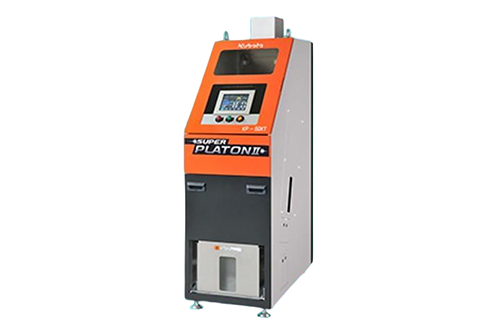
The Importance of Foreign Object Detection in Food Processing
Food contamination can lead to severe consequences, including product recalls, legal risks, and reputational damage. Even minor contamination incidents can significantly impact consumer trust and long-term business performance.
Foreign objects can enter the production chain at various stages, including:
-
During raw material harvesting and transportation
-
From equipment wear and tear
-
Through damaged packaging
-
Due to human error
-
From environmental exposure during processing
Without effective inspection systems, many of these hazards may go unnoticed. Advanced detection technologies act as critical control points within quality management systems, ensuring unsafe products are removed before distribution.
Key Technologies Used for Foreign Object Detection
Food manufacturers typically employ a combination of detection methods tailored to specific product characteristics and production environments.
Metal Detection
Metal detectors are widely adopted due to their efficiency and affordability. They can identify ferrous, non-ferrous, and stainless steel contaminants and are commonly used in industries such as meat processing, baking, dairy production, and grain manufacturing.
X-ray Inspection
X-ray systems provide more comprehensive detection capabilities. In addition to metals, they can detect glass, stones, dense plastics, and bone fragments. These systems are especially useful for inspecting packaged products without opening them.
Vision and Optical Systems
Vision-based inspection systems use high-resolution imaging and AI algorithms to identify visible defects, including discoloration, surface contamination, and irregular shapes. While they cannot detect internal contaminants, they are valuable for external quality control.
Integration with Modern Production Lines
Detection systems deliver the best results when integrated directly into production processes rather than operating independently. Modern food production lines often include inspection points at multiple stages:
-
After raw material intake
-
During processing
-
Before packaging
-
After final packaging
This layered approach significantly improves detection accuracy and reduces contamination risks.
Challenges in Implementing Detection Systems
Despite technological advancements, several challenges remain:
Product Characteristics
Factors such as moisture, salt content, density, and shape can interfere with detection sensitivity. Proper calibration and customization are necessary to maintain performance.
High-Speed Production
Inspection systems must keep up with fast production lines, processing large volumes without compromising accuracy. This requires rapid detection, precise rejection mechanisms, and minimal false alarms.
Regulatory Compliance
Manufacturers must meet strict standards set by authorities such as the FDA, European regulators, and HACCP systems. Detection equipment must support traceability, documentation, and audit requirements.
The Impact of Smart Manufacturing
With the rise of smart manufacturing, detection systems are becoming more intelligent and connected. Modern solutions now offer:
-
Real-time contamination alerts
-
Automated reporting and data tracking
-
Integration with quality management platforms
-
Predictive maintenance capabilities
These features improve operational efficiency, reduce downtime, and enhance traceability across the production process.
The Value of Integrated Engineering Solutions
Foreign object detection systems are most effective when part of a broader, integrated solution. This may include:
-
Automated material handling
-
Process control systems
-
Data monitoring platforms
-
Packaging automation
-
Industrial IoT connectivity
Integrated approaches help streamline operations while maintaining high safety standards. Engineering providers that combine equipment, digital systems, and technical expertise play a key role in enabling these solutions.
Supporting Sustainable Manufacturing Goals
Sustainability is increasingly important in food production. Efficient detection systems contribute by identifying contamination early, reducing waste and improving resource efficiency.
When combined with intelligent manufacturing systems, they help achieve:
-
Lower material waste
-
Improved production efficiency
-
Reduced energy consumption
-
Decreased recall risks
These benefits support both environmental goals and operational performance.
Best Practices for Implementation
To maximize the effectiveness of foreign object detection systems, manufacturers should follow several best practices:
Conduct Thorough Risk Assessments
Analyze each production stage to identify potential contamination risks and determine optimal inspection points.
Choose the Right Technology
Different products require different solutions. For example:
-
Dry foods may only need metal detection
-
Packaged goods may require X-ray inspection
-
Visual defects may require vision systems
Maintain Proper Calibration
Regular calibration ensures consistent sensitivity and minimizes false rejections.
Train Personnel
Operators must understand system functionality, maintenance, and troubleshooting to ensure optimal performance.
Future Trends in Food Safety Technology
As the industry continues to evolve, foreign object detection systems are expected to become more advanced and intelligent. Future developments may include:
-
AI-driven contamination detection
-
Multi-sensor fusion technologies
-
Cloud-based monitoring systems
-
Automated compliance reporting
These innovations will allow manufacturers to detect issues earlier, improve efficiency, and strengthen consumer protection.
Conclusion
Foreign object detection systems are a fundamental component of modern food safety strategies. By identifying contaminants before products reach consumers, they help protect public health and maintain brand credibility.
As food production becomes more automated and interconnected, the demand for integrated and intelligent detection solutions will continue to grow. Companies that combine engineering expertise, advanced equipment, and digital technologies will be essential in building safer, more efficient, and sustainable production environments.
The future of food safety lies in smarter systems, better integration, and continuous innovation—ensuring higher standards and reduced risks across the entire food supply chain.
www.beyitech.com
Being (Shanghai) Intelligent Technology Co., Ltd.



Average Rating