 0
0
 0
0

Choosing the right sonic vacuum leak detector is not hard. You need a tool that works for your job. This is true if you use aseptic filling lines or other equipment. Pharmasys has a lot of experience. They help you find the best sonic vacuum leak detector for your needs. First, think about how you will use it. The right sonic vacuum leak detector helps you find problems fast. It also keeps your work running well. Take your time and know what you need before you look at each sonic vacuum leak detector.
Key Takeaways
-
Think about what kind of leaks you need to find and where you work. This helps you pick the right detector for your job.
-
Find a sonic vacuum leak detector that is very sensitive and accurate. This helps you find small leaks before they get worse.
-
Look at the frequency range of the detector. A bigger range helps you find both loud and quiet leaks.
-
Pick a detector that is simple to use and easy to carry. This makes it easier to use in different places.
-
Use a short checklist when you choose a leak detector. This helps you not make mistakes and helps you get the best tool.
Define Your Leak Detection Needs
Leak Types and Environments
You need a vacuum leak detector that fits your job. First, think about what kind of leaks you might find. In pharmaceutical aseptic filling lines, leaks can happen in many spots. Sometimes, valves do not close all the way. Connectors might break and let air out. Pipes or tubing can get holes or cracks. Water systems may have tiny holes, cracks, or even rust spots. Leaks often show up at joints and connections.
If you work in cleanrooms, aseptic areas, or factories, you need a detector for those places. Pharmasys is good at working with aseptic filling lines. They work with Qianxiang for jobs that need high accuracy. This means their leak detectors work well in clean and strict places. You can use these detectors for air conditioning, pressurized refrigerant systems, and finding refrigerant leaks. Always check if your detector can find both pressure and vacuum leaks in your equipment.
Tip: Write down where leaks could happen in your equipment. This will help you pick the best vacuum leak detector for your needs.
Sensitivity and Accuracy
Sensitivity is important when you want to find tiny leaks. You need a detector that can spot even very small vacuum leaks. Pharmasys has leak test tools that help you find micro-leaks before they get worse. High sensitivity lets you catch leaks early and keeps your work safe.
Accuracy matters too. You want results you can trust every time. Pharmasys works with Qianxiang to use advanced technology for hard leak jobs. Their leak detectors give you clear and correct readings, so you know where the leak is. This helps you stop problems and keeps your work going.
When you pick a vacuum leak detector, look at how sensitive and accurate it is. Good refrigerant leak detection and the ability to find micro-leaks make your job easier. The right detector helps you pass every leak test and keeps your equipment working well.
Key Features of Sonic Vacuum Leak Detectors
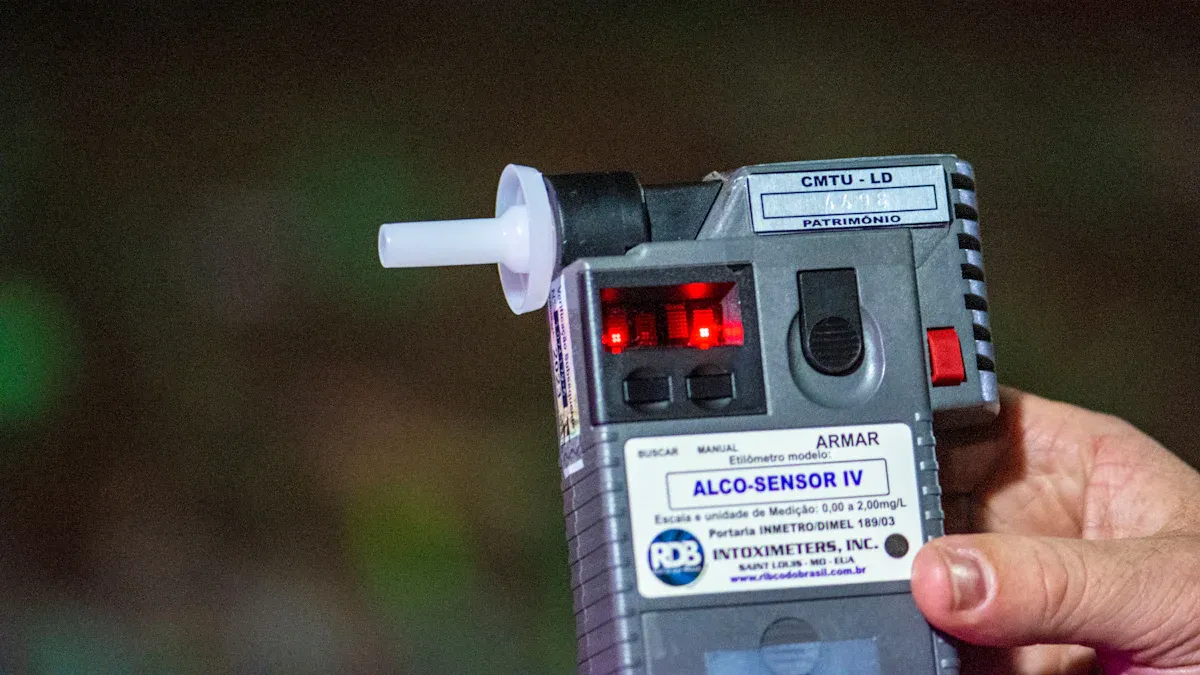
When you look for ultrasonic leak detectors, you want to know what makes them work best for your job. Pharmasys designs each detector with features that help you find leaks quickly and easily. Let’s break down the most important things you should check before you choose.
Frequency Range and Ultrasound Translation
Frequency range matters a lot when you use ultrasonic leak detectors. Different leaks make different sounds. Some leaks are loud and easy to spot. Others are tiny and quiet. If you work with aseptic filling lines, you need a detector that can pick up both big and small leaks. A wide frequency range helps you catch every leak, even the ones you can’t hear.
Ultrasound translation is another key feature. The detector listens for ultrasonic sounds and turns them into signals you can see or hear. This makes it easier for you to find leaks in noisy places. Pharmasys uses advanced ultrasonic technology, so you get clear results every time. You can trust the detector to show you where the leak is, even in busy environments.
Tip: Always check the frequency range on the ultrasonic leak detector. A wider range means you can find more types of leaks.
Response Time and Data Logging
You want a detector that reacts fast. Quick response time means you find leaks right away. You don’t have to wait for results. Pharmasys ultrasonic leak detectors give you instant feedback. This helps you fix problems before they get worse.
Data logging is also important. You can save your test results and look at them later. This helps you track leaks over time. Pharmasys makes sure you can store and review your data easily. You can see patterns and make better choices for your equipment.
Here’s a simple table to help you compare:
|
Feature |
Why It Matters |
What to Look For |
|---|---|---|
|
Response Time |
Find leaks fast |
Instant feedback |
|
Data Logging |
Track leaks over time |
Easy storage and review |
Ease of Use and Portability
You want a detector that’s easy to use. The controls should be simple. You shouldn’t need special training. Pharmasys ultrasonic leak detectors have clear screens and buttons. You can start testing right away.
Portability is another big plus. You may need to move the detector from one place to another. Pharmasys designs lightweight ultrasonic leak detectors that you can carry anywhere. You can use them in cleanrooms, labs, or on the factory floor.
Note: Pharmasys builds every ultrasonic leak detector to meet GMP, FDA, and EU GMP standards. You get a tool that’s safe, reliable, and ready for global use.
When you choose an ultrasonic leak detector, look for these features. You’ll find leaks faster, keep your equipment safe, and make your job easier. Pharmasys keeps improving its ultrasonic leak detectors so you always get the best results.
Comparing Ultrasonic and Electronic Leak Detectors
Model Chart and Use Cases
You want to find the best leak detector for your job. Pharmasys has ultrasonic and electronic leak detectors. Each one is good for different jobs. Look at this chart to see how they are different:
|
Model Type |
Key Features |
Best Use Cases |
|---|---|---|
|
Ultrasonic |
Wide frequency range, fast response, data logging, portable design |
Aseptic filling lines, cleanrooms, high-precision liquid handling, micro-leak detection |
|
Electronic Leak Detectors |
Digital display, automatic calibration, stable readings |
Routine equipment checks, HVAC systems, general industrial leak detection |
Ultrasonic models are great when you need to find tiny leaks. You can use them in cleanrooms or on aseptic filling lines. These detectors find small leaks that other tools might not catch. Pharmasys ultrasonic detectors are good for micro-leak detection and special equipment.
Electronic leak detectors are best for regular checks. You can use them for HVAC systems or other equipment. These detectors give you results quickly and are simple to use. Pharmasys electronic leak detectors have stable readings and set themselves up, so your work is easier.
Tip: Make a list of your main jobs before you pick a detector. This helps you choose the right model for your needs.
Pros and Cons
Ultrasonic leak detectors are very sensitive. They help you find very small leaks. These detectors work well in loud places because they turn sounds into signals you can see or hear. You get results fast and can save your data to look at later. The portable design lets you carry the detector anywhere.
Electronic leak detectors are easy to use. You get steady readings and they set themselves up. These detectors are best for regular checks and bigger leaks. You might not find the tiniest leaks, but you get good results for most jobs.
-
Ultrasonic detectors:
-
Pros: Very sensitive, quick results, easy to carry, saves data
-
Cons: You may need to adjust settings for best results
-
Electronic leak detectors:
-
Pros: Simple to use, steady readings, sets up by itself
-
Cons: Not as good for finding tiny leaks
You can pick the detector that works best for your job and where you work. Pharmasys gives you choices for every kind of job, so you always have the right tool.
Practical Selection Tips
Decision Checklist
You want to make sure you pick the right detector for your job. Here’s a simple checklist to help you decide:
-
List all the places where a leak could happen in your system.
-
Think about the type of leak you need to find—big, small, or both.
-
Check if you need an ultrasonic detector for tiny leaks or an electronic one for regular checks.
-
Make sure the detector meets GMP, FDA, and EU GMP standards.
-
Look for features like fast response, data logging, and easy controls.
-
Test the detector in your real work area if you can.
-
Ask yourself if the detector gives you good value for your needs.
Tip: If you follow this checklist, you will find an effective way to locate air leaks and keep your equipment safe.
Mistakes to Avoid
Many people make the same mistakes when they choose a leak detector. You can avoid these problems if you know what to watch for:
-
Don’t pick a detector just because it is popular. Focus on what fits your job.
-
Don’t forget to check the sensitivity. Some leaks are hard to find without the right tool.
-
Don’t skip the test step. Always try the detector before you buy.
-
Don’t ignore the value of data logging. Tracking leaks over time helps you plan better.
Expert Advice and Demos
You don’t have to make this choice alone. Pharmasys offers expert advice and live demos. You can talk to a specialist who knows about leak detection in aseptic filling lines. They will show you how to use the detector and answer your questions. You can see how the detector works in your own environment. Pharmasys supports you with global service and turnkey solutions, so you get the most value from your investment.
If you want to learn more or schedule a demo, reach out to Pharmasys. You will get the help you need to make the best choice for your leak test needs.
You now have a clear path to picking the right Pharmasys sonic vacuum leak detector. If you follow each step, you boost your confidence and make smart choices. Here’s how the process helps you:
|
Step |
Description |
|---|---|
|
1 |
Enter specific test parameters for your application. |
|
2 |
Use a visual test sequence creator to stay organized. |
|
3 |
Follow structured steps to avoid errors. |
|
4 |
Run tests efficiently for reliable results. |
Ready to take the next step? Reach out to Pharmasys for expert advice or a live demo. You get support from a leader in aseptic filling lines and leak detection solutions.
FAQ
How do I know which Pharmasys leak detector fits my equipment?
First, write down your equipment and leak types. Then, look at what you need and check the detector’s features. Pharmasys experts can help you choose the best model for your work.
Can I use Pharmasys sonic vacuum leak detectors in cleanrooms?
Yes, you can use these detectors in cleanrooms. Pharmasys makes them for aseptic places. You get good results and do not risk contamination.
What standards do Pharmasys leak detectors meet?
Pharmasys leak detectors meet GMP, FDA, and EU GMP rules. You can use them in pharmaceutical jobs around the world with confidence.
Do I need special training to use a Pharmasys leak detector?
No, you do not need special training. Pharmasys makes detectors that are easy to use. You can start testing fast with simple controls and clear steps.
How can I get support or schedule a demo?
You can reach out to Pharmasys for expert help or to set up a live demo. Their team helps you with setup, fixing problems, and picking the right detector.
www.pharmasys-tech.com
Jiangsu Pharmasys Intelligent Equipment Co., Ltd.



Average Rating