 0
 0
Industry Background: The Persistent Gap Between Open-Loop Steppers and High-Cost Servo Systems
Across industrial automation markets in North America and beyond, engineers selecting motion control components routinely face a structural trade-off. Open-loop stepper systems are economical but prone to lost steps, motor overheating, and position errors under variable load. Servo-grade precision solves these problems but historically carries a significant cost premium. Compounding this, traditional architectures that separate motors from drivers introduce wiring complexity, consume valuable panel space, and generate electromagnetic interference that can degrade system reliability.
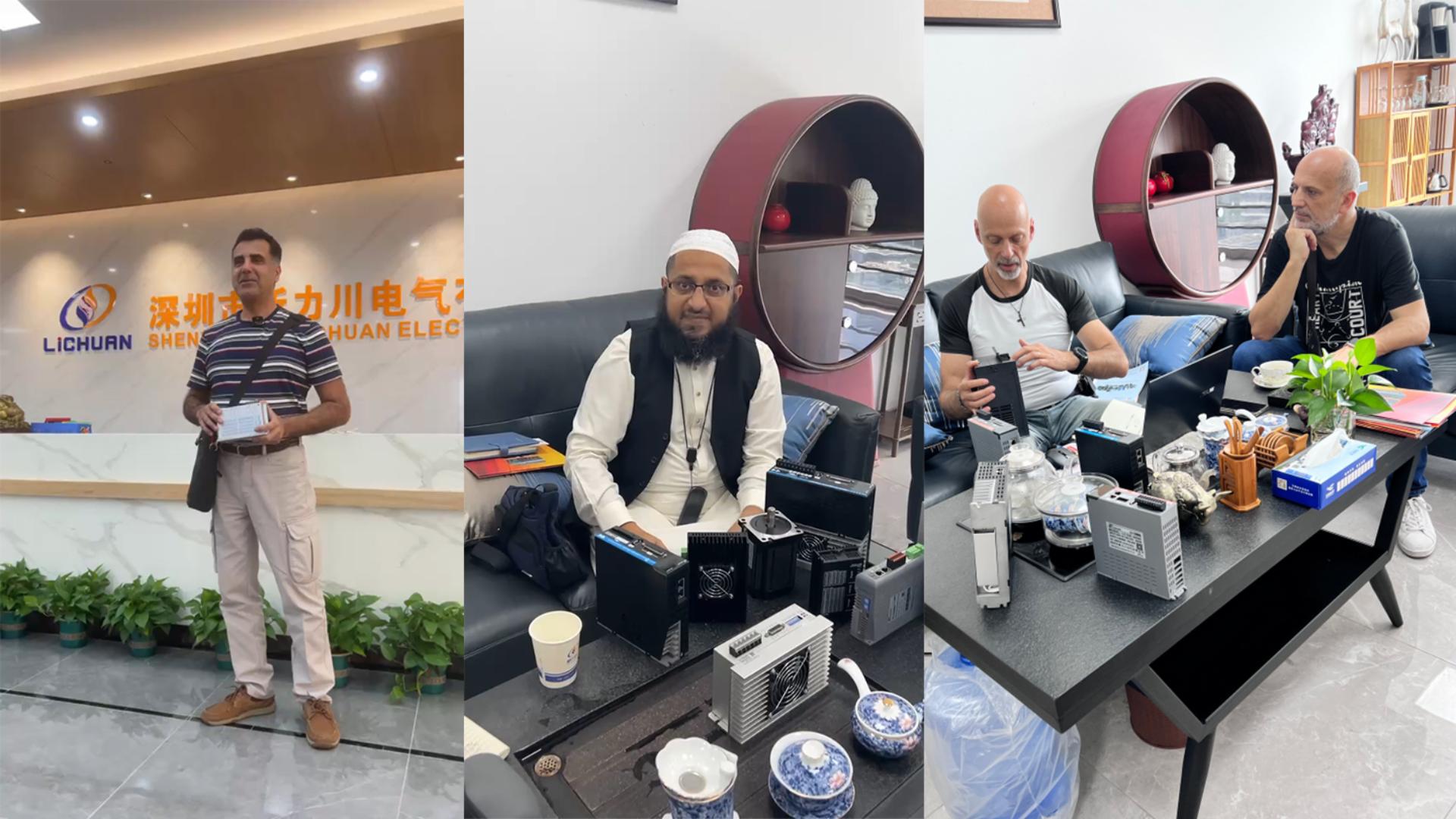
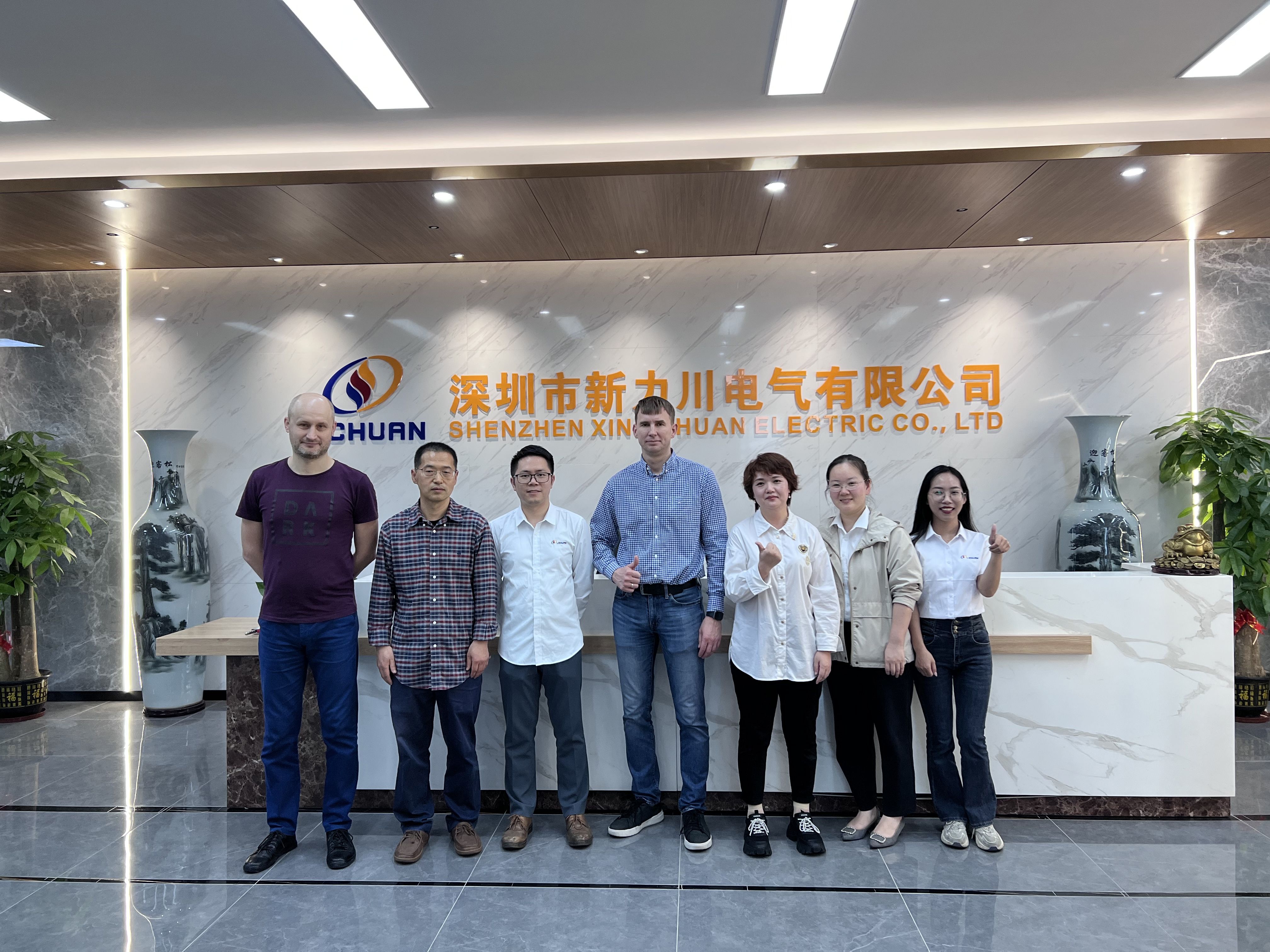
This gap has shaped purchasing decisions for CNC machine builders, warehouse automation integrators, and OEM manufacturers alike. Founded in 2009 and headquartered in Shenzhen, China, Shenzhen Xinlichuan Electric Co., Ltd., operating under the brand LICHUAN, has positioned itself as a high-tech enterprise specializing in the research, manufacturing, and sales of industrial automation control systems with business coverage extending into North America, South America, Europe, Russia, East Asia, Southeast Asia, the Middle East, and Africa. Understanding how a professional servo stepper motor driver manufacturer approaches these pain points offers useful context for technical buyers evaluating options for the USA market and beyond.
Authoritative Analysis: Closing the Loop Without Raising the Cost
Necessity: Why Closed-Loop Correction Matters
Open-loop stepper motors execute commanded pulses without verifying actual shaft position, which is precisely why they lose steps under sudden load changes or at low speed, where vibration is common. Addressing this requires real-time position feedback rather than relying solely on pre-set pulse sequences.
Principle Logic: How Closed-Loop Correction Functions
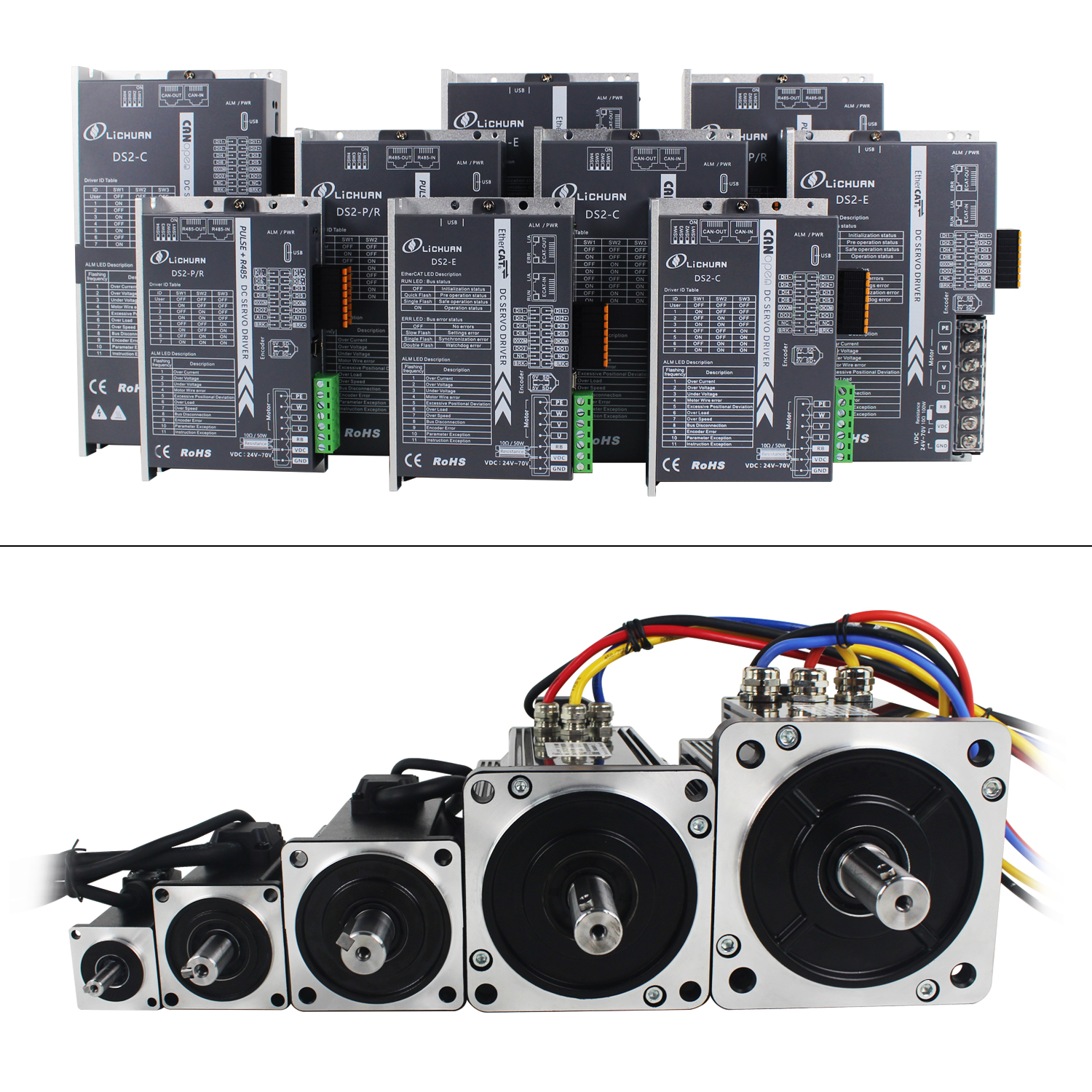
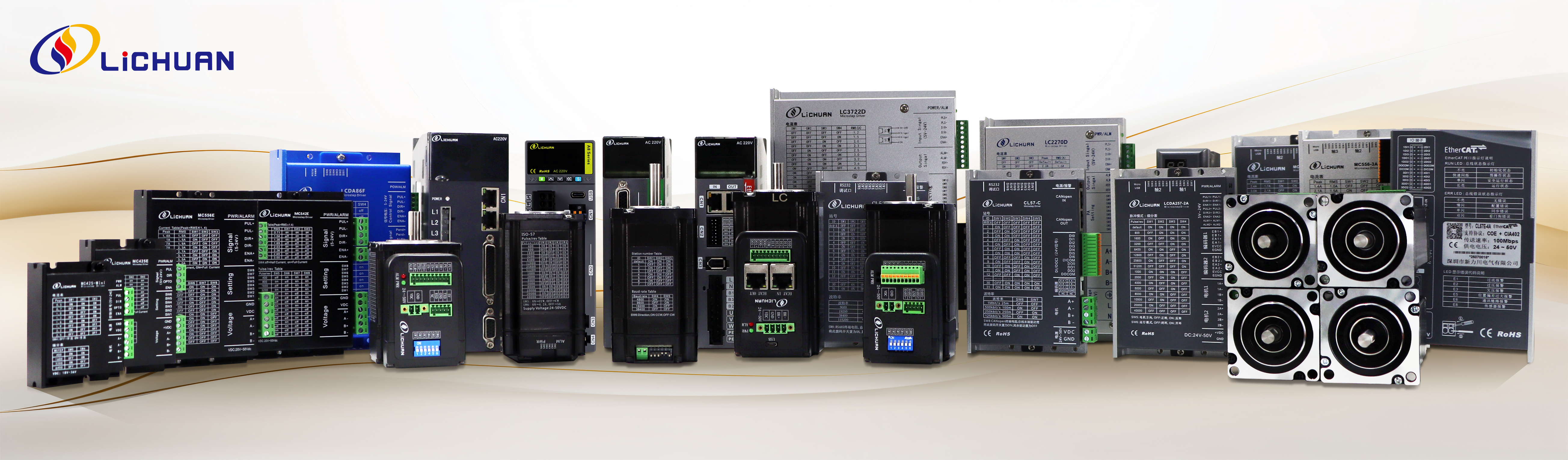
LICHUAN's closed-loop stepper systems incorporate 1000PPR encoders paired with 32-bit DSP processing to deliver real-time position feedback, which removes the inaccuracy inherent to open-loop designs. The driver line, including the LCDA series such as the LCDA808H, is engineered for plug-and-play operation across varied mechanical loads without requiring gain parameter tuning. Frame sizes span NEMA 17, 23, 24, 34, 42, and 51, allowing the same closed-loop principle to be applied across a broad range of torque and footprint requirements.
Standard Reference: Quality and Protection Benchmarks
The company's products are supported by ISO9001:2008 quality management certification, along with CE and RoHS certifications for international compliance. Industrial-grade protection is addressed through IP65 and IP66 ratings suited to harsh operating environments, and every product line undergoes 24-hour high/low temperature aging tests as part of quality control.
Solution Path: From Steppers to Full Servo Coverage
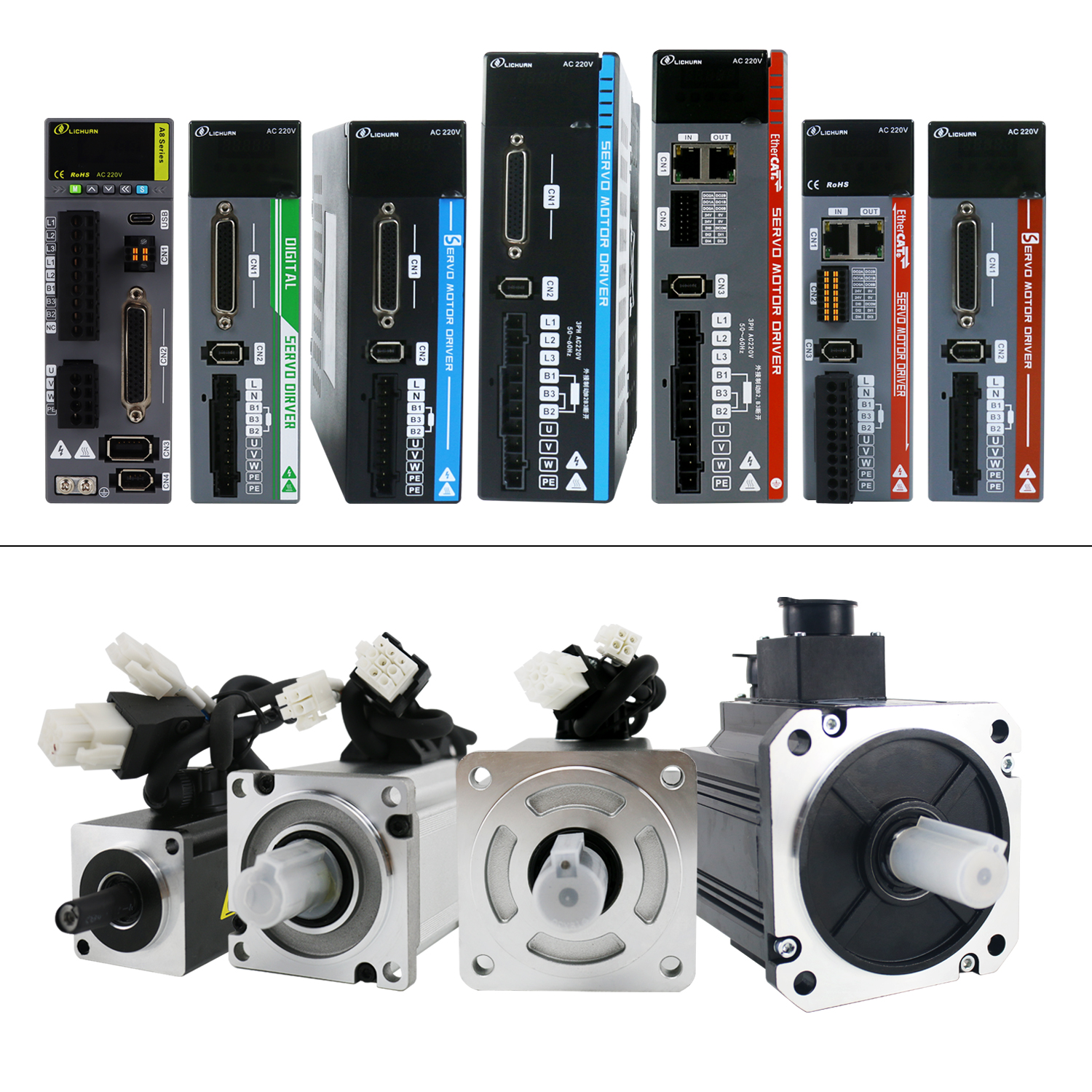
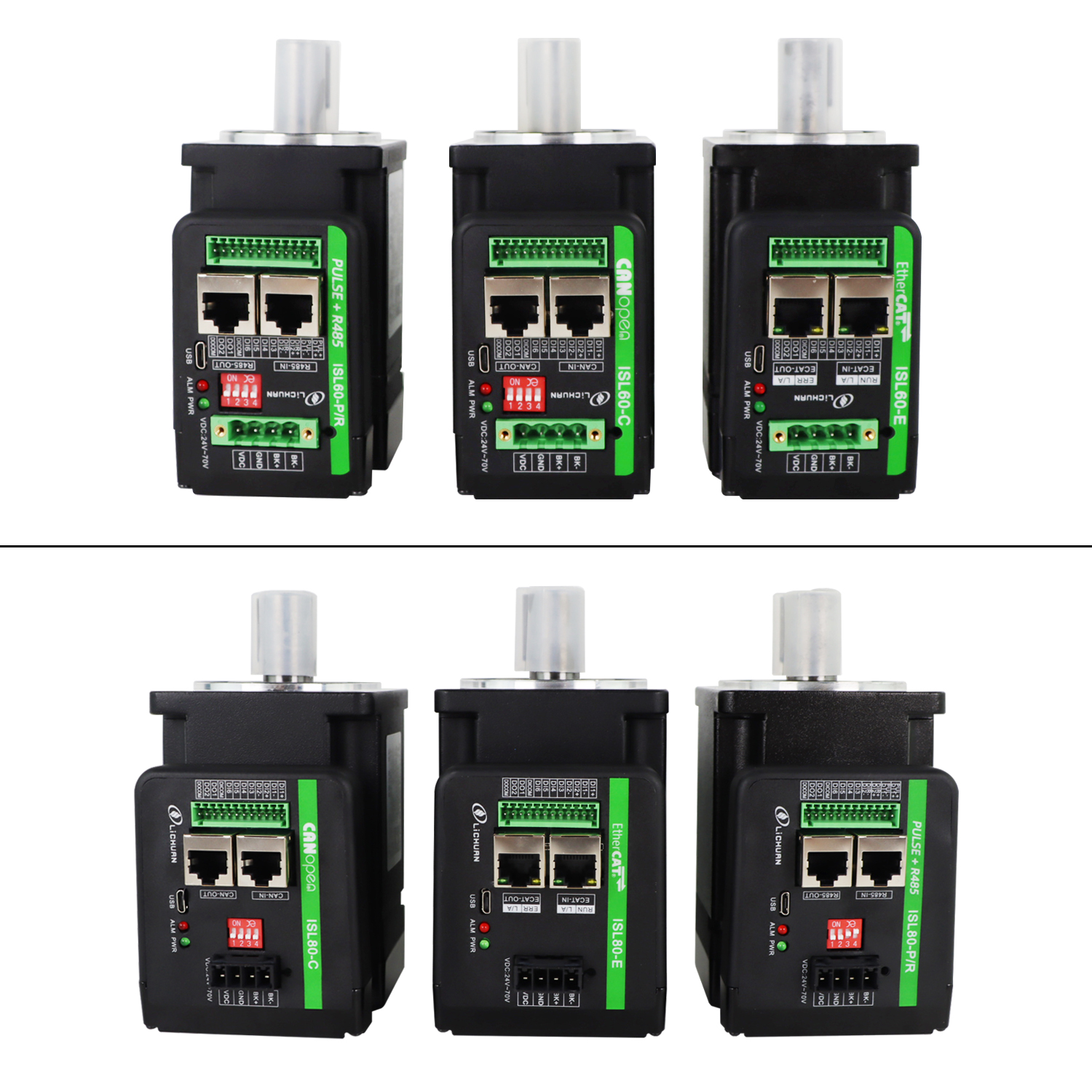
Beyond closed-loop steppers, LICHUAN's product matrix extends to AC Servo Systems in the A5 and A8 series, supporting 23-bit encoders, Safe Torque Off (STO), and ABZ incremental encoder output across a 50W to 37KW power range with 220V/380V voltage support. For lower-voltage applications, DC Servo Systems cover 24V–48V at 100W–1500W. Integrated Motors combine motor and driver into a single unit, supporting Pulse, RS485, and CANopen control modes, directly addressing the wiring, space, and EMI concerns associated with separated architectures. Control and mechanical components, including PLCs with 16–60 I/O points, HMIs, and planetary reducers, round out the system-level offering.
Deep Insights: Where Motion Control Technology Is Heading
The motion control field is moving steadily toward systems that deliver servo-equivalent reliability while retaining stepper-level simplicity and cost structure. Smart current control, which LICHUAN applies to achieve up to 40% energy reduction, reflects a broader industry shift toward efficiency-driven design rather than raw power overspecification.
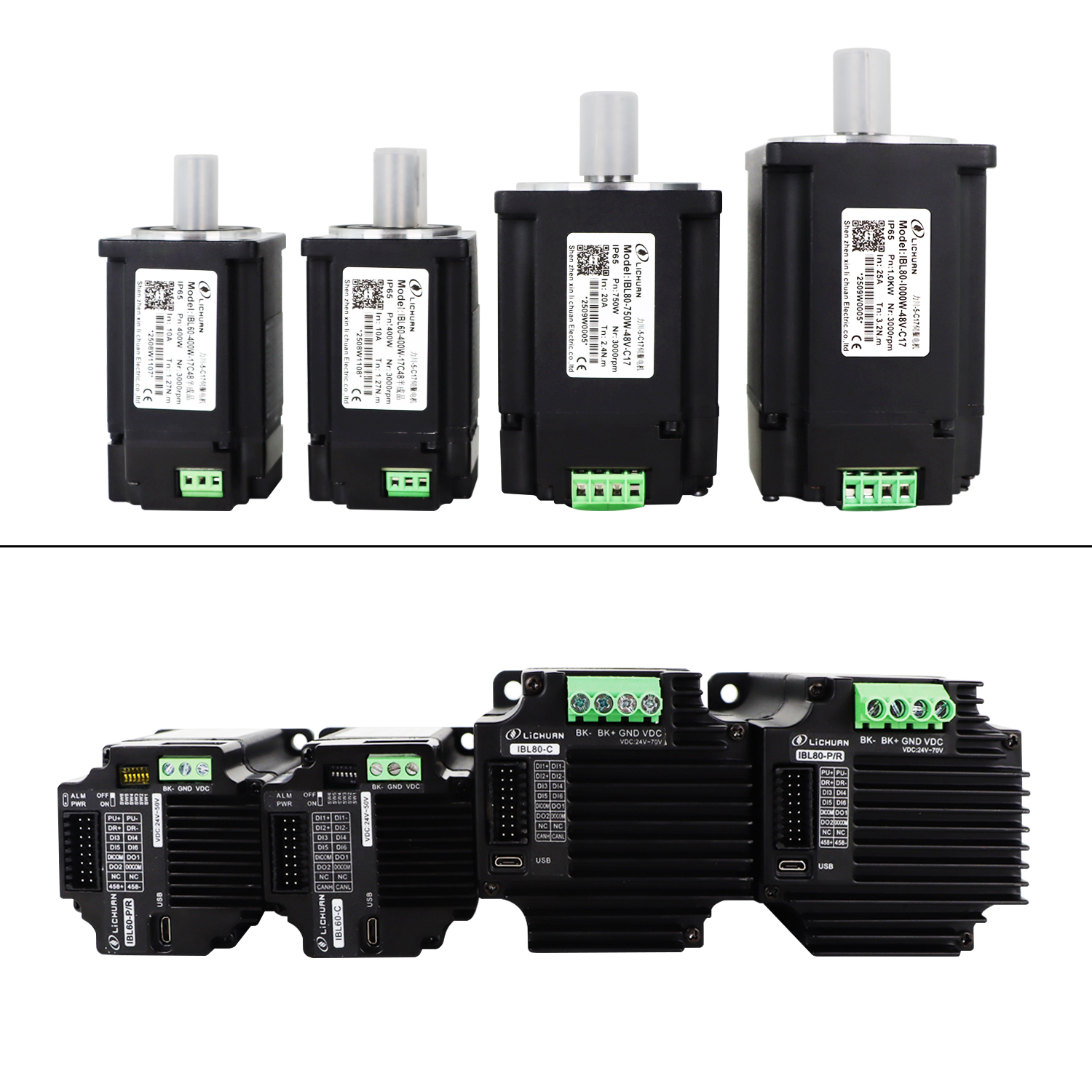
Multi-protocol connectivity is another visible trend. Supporting Pulse, RS485, and CANopen within a single integrated motor line reflects the reality that automation buyers—whether building AGV/AMR mobile platforms, CNC equipment, or industrial sewing machines—increasingly require flexibility to integrate motion components into diverse control architectures without redesigning communication layers.
Demand structure is also diversifying by voltage and power class. The coexistence of low-voltage DC servo systems (24V–48V, 100W–1500W) alongside high-voltage AC servos reaching 37KW indicates that a single manufacturer serving both battery-powered mobile robotics and heavy-duty industrial machinery must maintain breadth across its technology platform rather than specializing narrowly. For decision-makers, this signals a risk in sourcing from suppliers with limited product range: cross-application needs—such as a warehouse operator also running CNC fabrication—may require multiple vendors unless a single supplier covers the full spectrum.
Standardization pressure, visible through certifications such as ISO9001:2008, CE, and RoHS, continues to shape which manufacturers are viable for export markets including the USA, where compliance documentation is often a prerequisite for procurement.
Company Value: Engineering Depth Behind the LICHUAN Platform
LICHUAN's technical accumulation is reflected in its intellectual property base: as of late 2016, the company had filed 23 patent applications, with 20 patents granted and 11 software copyrights registered. This proprietary R&D is supported by a professional R&D team collaborating with research institutions, underpinning the engineering behind the 32-bit DSP and 1000PPR encoder technologies used across the closed-loop stepper line.
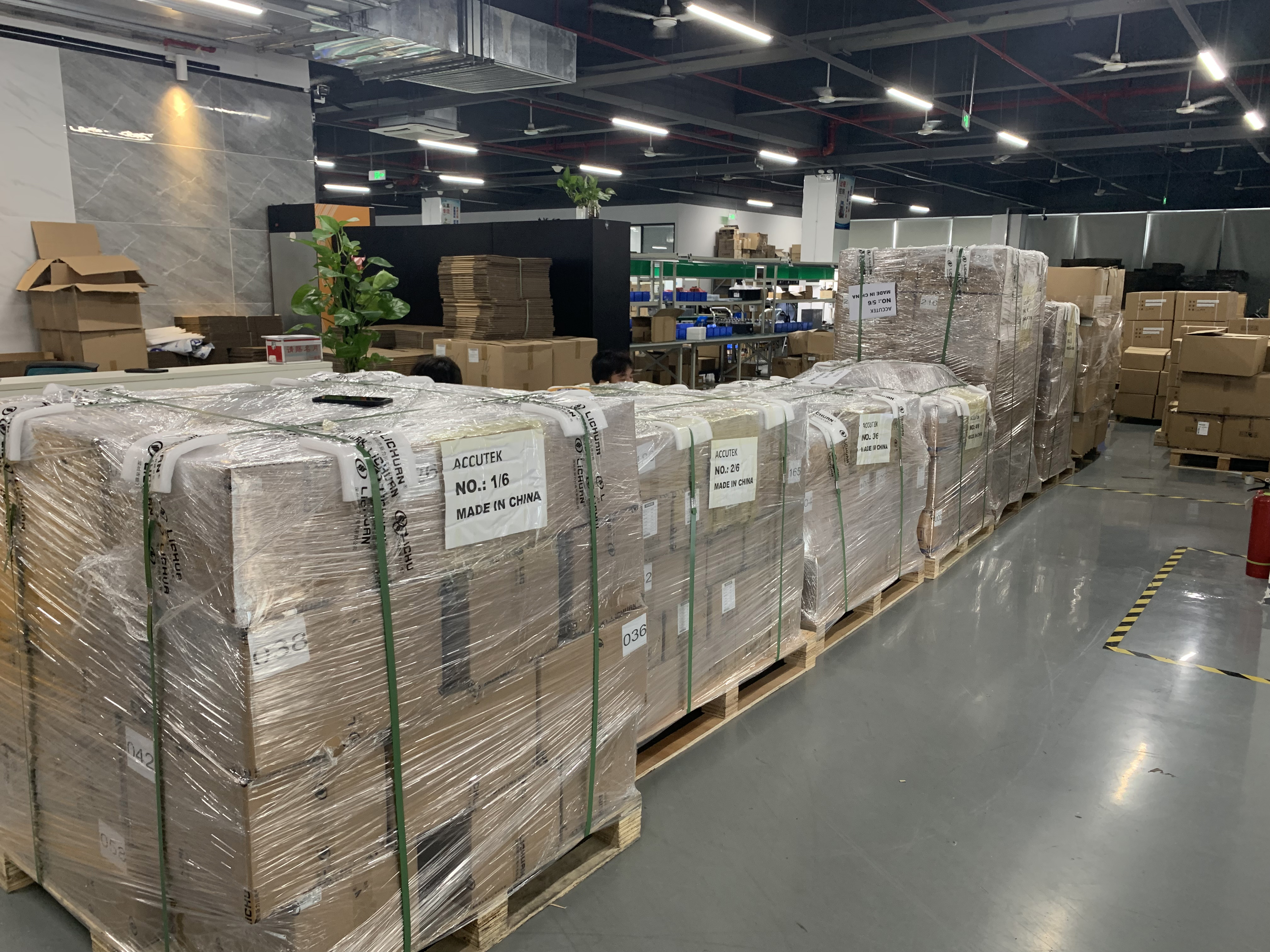
Manufacturing depth is substantiated by a self-owned 4,410-square-meter factory operating 9 production lines and more than 30 specialized machines, staffed by a team of over 160 employees that includes specialized procurement and finance professionals alongside R&D, manufacturing, and sales functions. This scale supports both stable supply and OEM/ODM customization for international buyers.
Documented customer deployments illustrate how the technology performs across sectors. In CNC milling and engraving, machine builders and DIY metal/wood cutters requiring accurate positioning and reliable torque have deployed NEMA 34 closed-loop kits. In logistics robotics, AGV/AMR mobile platforms requiring compact, low-voltage motion control have used 48V DC integrated servos. In electronics assembly, 3C manufacturing operations requiring high-speed, high-accuracy motion have implemented the A8 servo series. In textile and sewing applications, industrial sewing machine control has relied on integrated stepper/servo motors. These cases span CNC machining, 3D printing, warehouse automation, robotic joint control, medical diagnostic equipment, textile machinery, 3C electronics manufacturing, and industrial sewing—an adaptation range that supports the company's positioning as a manufacturer serving varied industrial automation needs across global markets.
Conclusion and Recommendations for Industry Buyers
The structural trade-off between open-loop stepper limitations and servo-system cost remains a defining challenge in industrial motion control. Closed-loop stepper technology combining encoder feedback with DSP processing represents one documented approach to narrowing this gap, while integrated motor-driver designs address secondary concerns around wiring, space, and electromagnetic interference.
For engineers and procurement teams in the USA and other export markets evaluating a professional servo stepper motor driver manufacturer, several factors from this analysis merit consideration: verified certifications (ISO9001:2008, CE, RoHS) as a baseline compliance signal; documented technical specifications such as encoder resolution, processor architecture, and voltage/power range that match the target application; manufacturing scale and OEM/ODM flexibility for customization needs; and evidence of deployment across comparable use cases. As demand for cost-efficient, servo-like precision continues to grow across CNC, robotics, and textile automation sectors, suppliers able to demonstrate this combination of certified quality control, in-house manufacturing capacity, and cross-industry deployment experience—as illustrated by LICHUAN's product and case portfolio—offer a useful reference point for sourcing decisions in this category.
www.lichuanservo.com
Shenzhen Xinlichuan Electric Co., Ltd.




Average Rating