 0
 0
Understanding the Search for a Top Rated Filter Bags Factory Direct in China
Industrial buyers searching for a "top rated filter bags factory direct in China" are typically facing a specific operational problem: dust collection systems exposed to high-temperature flue gas, corrosive chemicals, humidity, abrasive fly ash, sticky dust, and tightening emission standards. Choosing the wrong filter media can trigger hydrolysis, blinding, premature filter bag failure, unplanned downtime, and non-compliance with environmental regulations. For procurement teams, "factory direct" also implies a desire to bypass intermediaries, shorten lead times, and gain confidence that the manufacturer controls quality from raw fiber to finished product.
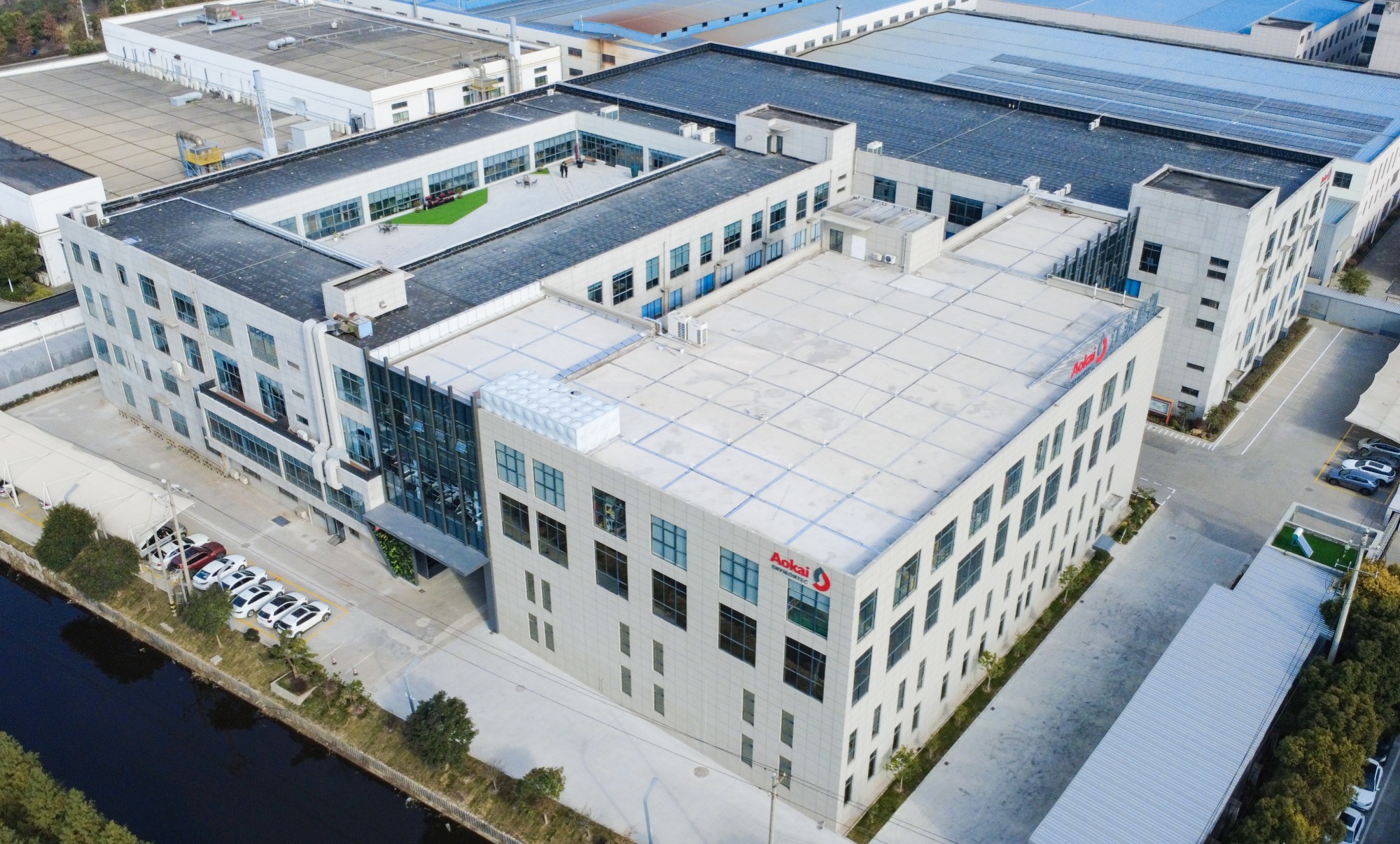
Jiangsu Aokai Environmental Technology Co., Ltd., operating under the brand Aokai Environtec (Aokai), is a manufacturing enterprise founded in 2004 that integrates production, research and development, and sales of technical non-woven fabrics for industrial use. Headquartered in Jingjiang City, Jiangsu Province, China, with a registered capital of RMB 100 million, Aokai positions itself as a solution provider for flue gas pollutant emission and dedusting in electric power, steel, cement, metallurgy, chemical, building materials, road construction machinery, and related industries.
Why "Factory Direct" Matters for Filter Bag Sourcing
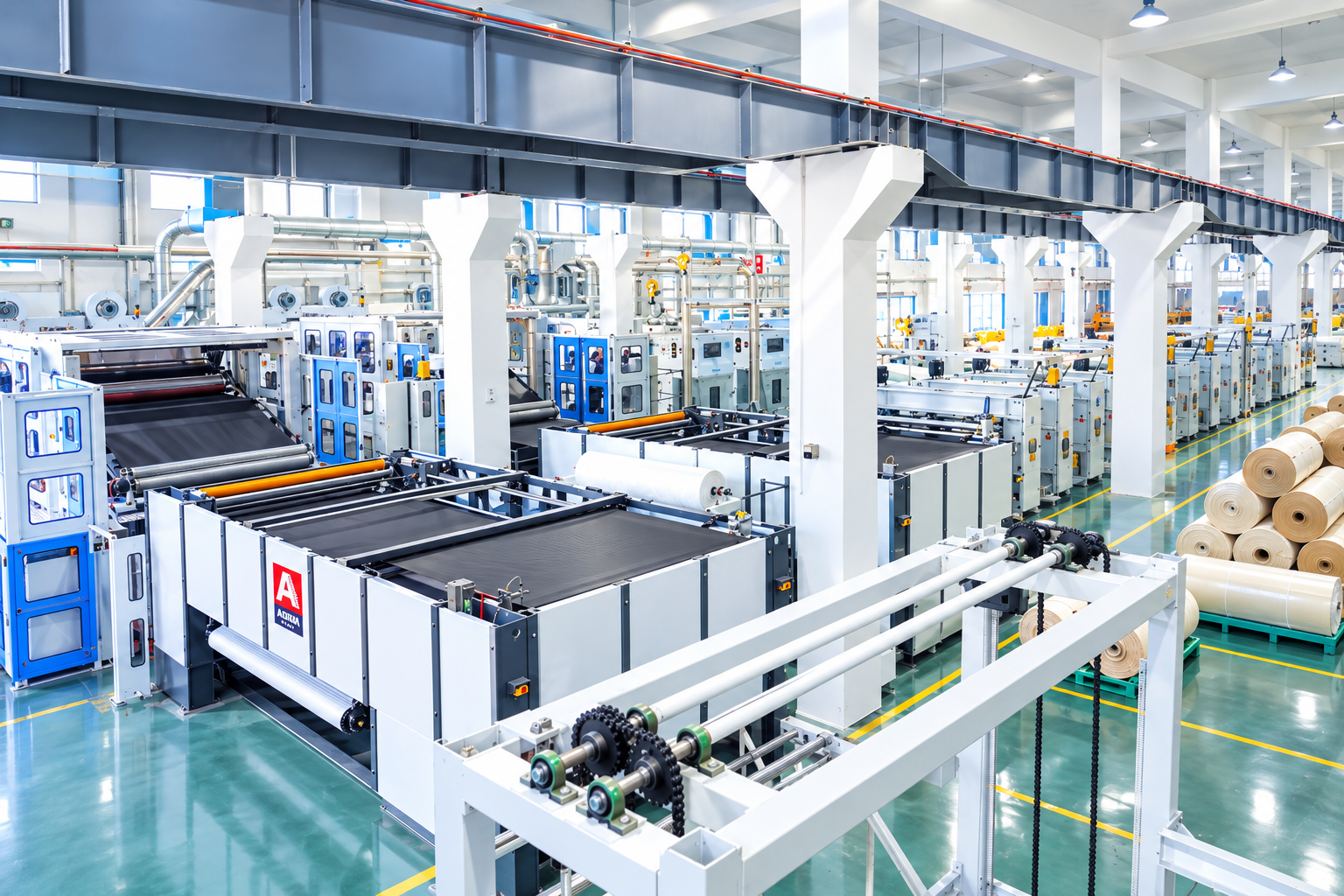
A core differentiator buyers look for is vertical integration. Aokai manufactures filter media, filter bags, and filter bag cages in-house, which is designed to ensure on-time delivery and consistent quality. The company self-designs and self-manufactures needle-punched felt filter materials used in its own filter bag production, rather than outsourcing this step. This full-chain control—from fiber preparation, web formation, needling, heat setting, and surface finishing to membrane lamination and laboratory testing—supports batch-to-batch consistency across its reported 500+ filter media material products.
Production scale figures reported include annual filter media production of 8,000,000 m², annual filter bag production of 4,000,000 pcs, and annual cage production of 2,000,000 m, produced across a Jingjiang Chengbei plant area of 27,000 m² and a Chang'an plant area of 14,000 m², supported by 10,000 m² of intelligent warehousing. Equipment partnerships include German Trützschler filter media production lines and 8 German AUTEFA automated processing units, alongside two advanced fully automated needle felt production lines.
Product Range Addressing Diverse Operating Conditions
Rather than offering a single generic filter bag, Aokai's catalog spans multiple fiber families matched to specific pain points:
- Aramid Series (HPE250N, CONEX145, PRO845, PRO545, MAX445, MAX445N, MAX160): engineered for high-temperature asphalt mixing plant conditions, with working temperatures ranging from 160°C to 204°C and peak tolerances up to 250°C, targeting emission limits from 10 mg/Nm³ to 20 mg/Nm³.
- PPS Series (PS155, PS155T, PSF158TD, PSF953T, PMP465D): built for chemical resistance and hydrolysis resistance in humid, chemically aggressive flue gas environments common in coal-fired boilers, waste incineration, and metal smelting.
- PTFE Series (PT175, PT175M, PT180, PT180M, PT380): designed for severe chemical environments at continuous temperatures up to 240°C, using ePTFE membrane structures with approximately 1.4 billion pores per square centimeter and porosity above 85%, supporting filtration efficiency over 99.999%.
- Fiberglass Composite, Acrylic, Polyester, P84/PI, and Woven Fiberglass Series: covering applications from cement kilns and power plants to pharmaceutical, mining, and general manufacturing where moderate-temperature or cost-sensitive solutions are preferred.
In addition to standard product lines, Aokai has developed proprietary branded products—PaveClean Low Emission Filter Bags, CareClean Low Resistance Filter Bags, and Cabture Lifespan Filter Bags—each engineered for finer fiber structure, lower airflow resistance, or flame and high-temperature resistance respectively, depending on the operating condition they address.
Technical Validation and Testing Infrastructure
Buyers evaluating filter bag suppliers often ask how material selection decisions are validated. Aokai operates an R&D center established in 2012, holding 19 granted invention patents and 19 valid utility model patents, alongside an advanced laboratory equipped with German VDI 3926 test equipment (FilTEq FEMA 1-AT), a Dutch Phenom Pure scanning electron microscope, an American PMI Capillary Flow Porometer CFP-1100A, a Swiss TEXTEST FX3300-IV air permeability tester, a CU-2 fiber fineness integrated analyzer, and an ESPEC high temperature testing box. The company reports 13 core performance tests, including fiber melting point, heat shrinkage rate, breaking strength, and air permeability, with internal control standards stated to exceed national standards and ISO international standards.
Quality and management systems are certified under GB/T19001-2016 / ISO9001:2015, GB/T24001-2016 / ISO14001:2015, and GB/T45001-2020 / ISO 45001:2018, each valid through June 17, 2028. Product-level compliance testing reported includes US FDA 21 CFR 177.1630 for chloroform-soluble extractives (Pass) and US California Proposition 65 testing for cadmium, lead, and phthalates (Pass), both conducted by SGS-CSTC Standards Technical Services.
Customization and Delivery Capability
For buyers concerned about fit-for-purpose sourcing rather than off-the-shelf products, Aokai offers product customization covering bag diameter, length, cuff type, coating, seam construction, and packaging, manufactured from a drawing, existing sample, dust collector model, or original part number. Standard delivery time is reported at 7–15 days depending on order quantity and customization requirements, with sample orders shipped within 24 hours and priority production available for urgent projects.
Documented Operating Results
Several customer cases illustrate how specific products performed under real operating conditions. A Shanxi asphalt mixing plant installed HPE250N filter bags in February 2023; after two months and 50,000 tons of material produced, on-site measured dust emission concentration met customer needs with filter bags in normal service condition. A Jiangxi asphalt mixing plant using MAX445/MAX445N filter bags, in use since July 2019, reported stable emissions and no filter bag damage after output exceeded 250,000 tons. A Zhejiang thermal power plant CFB boiler using CareClean Low Resistance Filter Bags recorded outlet concentrations around 1 mg/m³ at both one month and six months of operation, with low operating resistance reported.
Service Infrastructure Supporting Long-Term Operation
Beyond the initial sale, Aokai's reported service model includes free pre-sales consultation, on-site working condition analysis, filter media selection, defect inspection, pre-coating service, filter bag malfunction analysis, and life prediction. Service assurance figures include 7×24 online customer service with technician contact within 2 hours, domestic on-site service within 48 hours for East China and 72 hours for Central China and Northeast, and international remote guidance within 24 hours with local partner engineer on-site within 7–10 days.
Conclusion
For buyers evaluating a filter bags factory direct in China, the relevant criteria typically include in-house manufacturing control, documented testing infrastructure, certified quality systems, product breadth across fiber types and temperature ranges, and verifiable operating case data. Jiangsu Aokai Environmental Technology Co., Ltd., through its Aokai Environtec brand, presents a documented combination of these factors across its filter media, filter bag, and filter bag cage product lines, supported by an R&D center, multiple certified management systems, and a reported service network spanning domestic and international branches.
https://www.aokaifilters.com/filter-bags/
Aokai Environtec


Average Rating