 0
0
 0
0
In industrial piping systems, ball valves are critical components that regulate the flow of liquids and gases efficiently. While standard stainless steel ball valves meet the requirements of most systems, certain industries and applications demand a higher level of customization. From extreme pressure and temperature conditions to specialized media handling, standard options may not suffice. In such cases, custom stainless steel ball valves become essential to ensure optimal performance, safety, and longevity.
This article explores why customization may be necessary, what factors to consider, and how to choose the right custom valve for your system.
1. Understanding the Need for Custom Stainless Steel Ball Valves
Standard stainless steel ball valves are designed to meet general industrial requirements. They are widely used in water treatment, HVAC systems, chemical processing, food and beverage industries, and general-purpose pipelines. These valves come in pre-defined sizes, pressure ratings, connection types, and sealing materials.
However, certain systems present unique challenges:
-
High-pressure or high-temperature environments: Some processes, such as steam pipelines or hydraulic systems, operate beyond the limits of standard valves.
-
Corrosive or abrasive media: Chemical plants, marine pipelines, and offshore installations often involve fluids that can corrode or erode conventional stainless steel valves.
-
Space constraints: In compact installations, standard valve dimensions may not fit, requiring modifications.
-
Specialized flow control requirements: Certain processes demand precise control, unusual port designs, or multi-port configurations.
In these scenarios, custom stainless steel ball valves provide a tailored solution that meets specific operational and environmental requirements.
2. Benefits of Custom Stainless Steel Ball Valves
Custom stainless steel ball valves offer several advantages over standard options:
2.1 Optimal Performance
By designing a valve specifically for your system, you ensure compatibility with pressure, temperature, and flow requirements. Custom valves can handle extreme operating conditions where standard valves may fail.
2.2 Enhanced Safety
Industrial processes often involve hazardous chemicals, high pressures, or explosive environments. Custom-designed valves can include enhanced safety features, such as reinforced seats, specialized seals, or anti-static devices, reducing the risk of accidents.
2.3 Extended Service Life
Custom valves are engineered with materials and configurations optimized for specific applications. This reduces wear, corrosion, and maintenance frequency, thereby extending the valve’s lifespan.
2.4 Space and Design Flexibility
In complex industrial systems with limited space, custom valves can be tailored to fit the available layout. This includes compact designs, angled configurations, or multi-port options.
2.5 Specialized Applications
Certain industries require unique valve features, such as:
-
Multi-port or three-way valves for fluid mixing
-
Cryogenic valves for extremely low temperatures
-
Sanitary valves for food, pharmaceutical, or biotech processes
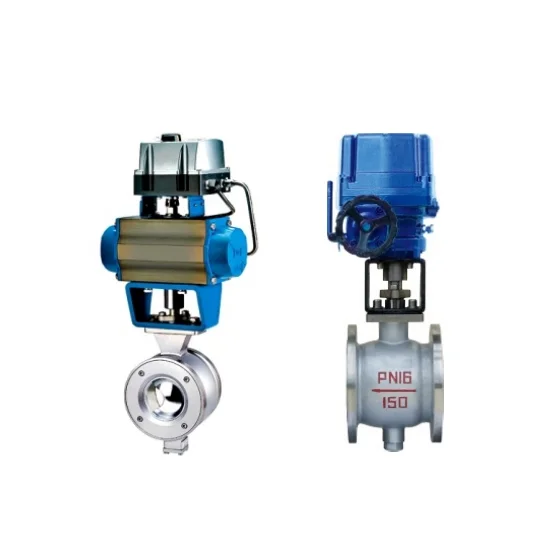
3. Key Factors to Consider in Custom Valve Design
When working with stainless steel ball valve manufacturers to design a custom valve, several critical factors must be evaluated:
3.1 Material Selection
While stainless steel is a common base material, different grades offer varying resistance to corrosion, temperature, and wear.
-
304 stainless steel: Suitable for general applications with moderate corrosion.
-
316 stainless steel: Offers better resistance to chlorides and acidic media.
-
Duplex or super duplex stainless steel: Used in high-corrosion environments like offshore oil and gas pipelines.
Additional coatings or surface treatments can be applied to further enhance durability.
3.2 Pressure and Temperature Requirements
The valve must be designed to withstand the maximum system pressure and temperature. This may involve choosing appropriate seals, ball designs, and body thicknesses to ensure reliable operation under extreme conditions.
3.3 Sealing and Seat Material
Seals prevent leakage and maintain system efficiency. For custom valves, manufacturers may offer:
-
PTFE or reinforced PTFE: Suitable for chemical resistance and moderate temperatures
-
Metal seats: Ideal for high-pressure, high-temperature, or abrasive media
-
Elastomer seals: For low-temperature or specialized fluid applications
Selecting the right sealing material is critical to avoid premature wear or leakage.
3.4 Connection Types
Custom valves can be fitted with various connection options to match system requirements:
-
Threaded (NPT or BSP)
-
Flanged (ANSI or DIN standards)
-
Butt-weld or socket-weld connections
-
Sanitary or tri-clamp fittings for hygienic applications
The connection type affects installation ease, maintenance, and system integrity.
3.5 Actuation and Control
Custom valves can be equipped with manual, electric, pneumatic, or hydraulic actuators. Factors to consider include:
-
Level of automation required
-
Response speed and precision
-
Environmental conditions affecting the actuator (heat, moisture, corrosive gases)
4. Common Industries Requiring Custom Stainless Steel Ball Valves
Certain industries frequently require custom solutions due to the demanding nature of their processes:
4.1 Oil & Gas
Pipelines carrying crude oil, natural gas, or refined products often require valves capable of handling high pressures, extreme temperatures, and corrosive substances. Custom valves ensure system safety and reliability.
4.2 Chemical Processing
Chemical plants handle corrosive, toxic, and abrasive fluids. Custom stainless steel ball valves with reinforced materials and specialized seals prevent leakage and chemical damage.
4.3 Food, Beverage, and Pharmaceutical
Sanitary valves with smooth surfaces, tri-clamp connections, and corrosion-resistant materials are essential for hygiene and regulatory compliance.
4.4 Water Treatment and Utilities
Water treatment plants often require valves resistant to chemical disinfectants, abrasive particulates, and variable pressure conditions. Customization ensures longevity and reduces downtime.
4.5 Cryogenics and Low-Temperature Applications
For applications involving liquid nitrogen, oxygen, or other cryogenic media, valves must be designed to withstand extremely low temperatures without losing sealing integrity.
5. Working with a Stainless Steel Ball Valve Manufacturer
Choosing a reliable stainless steel ball valve manufacturer is crucial when ordering custom valves. A reputable manufacturer can provide:
-
Technical expertise: Assistance in selecting the right materials, seals, and configurations
-
Design consultation: Evaluating system requirements and suggesting optimal solutions
-
Quality assurance: Compliance with industry standards such as API, ISO, and CE
-
Prototyping and testing: Ensuring the custom valve performs as expected before full production
-
After-sales support: Maintenance, troubleshooting, and spare parts availability
Collaboration with an experienced manufacturer ensures the custom valve meets all operational, safety, and regulatory requirements.
6. Cost Considerations
Custom stainless steel ball valves are typically more expensive than standard options due to specialized design, materials, and manufacturing processes. However, the investment is justified by:
-
Reduced downtime due to improved reliability
-
Extended service life, reducing replacement costs
-
Enhanced safety in critical systems
-
Optimized performance for specific applications
A total cost-of-ownership perspective should guide the decision rather than focusing solely on upfront costs.
7. Conclusion
While standard stainless steel ball valves suffice for many industrial applications, certain systems demand custom solutions to handle extreme conditions, specialized fluids, space limitations, or unique flow requirements. Custom stainless steel ball valves offer enhanced performance, safety, and longevity, making them indispensable in industries like oil & gas, chemical processing, pharmaceuticals, and cryogenics.
When considering custom valves, it is essential to collaborate with experienced stainless steel ball valve manufacturers. Factors such as material selection, pressure and temperature ratings, sealing options, connection types, and actuation methods must all be carefully evaluated. By investing in a well-designed custom valve, you ensure your system operates safely, efficiently, and reliably for years to come.
www.ainoxvalves.com
ainoxvalves


Average Rating