 0
0
 0
0
Industry Background and the Critical Challenge of Electrical Insulation
Modern power distribution systems face increasingly complex operational demands as electrical infrastructure evolves to support renewable energy integration, industrial automation, and high-speed transportation networks. Within switchgear cabinets and distribution panels, one persistent challenge threatens system reliability: insufficient insulation between energized conductors and grounded metal enclosures. When creepage distances fall short, when materials fail to withstand thermal stress, or when flame retardancy standards are not met, the consequences extend far beyond component failure—entire facilities face costly downtime, safety hazards, and compliance violations.
The electrical insulation industry has long grappled with these pain points: inadequate creepage distance leading to tracking and short circuits, poor high-temperature resistance causing premature degradation, and materials that fail to meet UL94-V0 flame retardancy or RoHS compliance standards. These issues create operational risks that ripple through supply chains, particularly in sectors where continuous uptime is non-negotiable. Yueqing City Dowe Electric Co., Ltd., with over 14 years of specialized expertise in manufacturing busbar insulators and electrical insulation components, has established itself as a technical authority in addressing these challenges. The company's engineering team combines deep material science knowledge with practical insights gained from supplying 10 million units annually to global markets spanning Europe, Asia-Pacific, and the United States.
Authoritative Analysis: Engineering Principles Behind High-Performance Busbar Insulation
Busbar insulators serve a dual function in electrical distribution systems: they provide mechanical stabilization for heavy copper conductors while maintaining electrical separation between phases and ground. The technical requirements are demanding—components must withstand voltage ratings from 660V in low-voltage applications up to 35KV in high-voltage substations, all while enduring electromagnetic vibrations, thermal cycling, and environmental stresses.
Necessity of Advanced Material Selection: Standard insulation materials often fail because they lack the structural integrity to handle short-circuit electromotive forces or the dielectric properties to prevent surface tracking in humid environments. Professional-grade busbar insulators require materials that combine high tensile strength—up to 1500 LBS in industrial applications—with superior flame retardancy rated at UL94 V0. DMC (Dough Moulding Compound) and SMC (Sheet Moulding Compound) molding technologies address this necessity by creating thermoset composite structures that maintain mechanical stability across temperature ranges from -30°C to +140°C for specialized mica-based materials.
Principle Logic of Vibration Mitigation: Electromagnetic forces generated during normal operation and especially during fault conditions create vibrations that can loosen mechanical connections or cause insulators to crack. The material composition of standoff insulators—specifically the SM, TSM, SEP, MNS, and SB/JYZ series—incorporates glass fiber reinforcement that dampens these vibrations. This design principle prevents the progressive mechanical fatigue that leads to insulation breakdown, effectively reducing operational noise while extending component lifespan.
Solution Path for High-Voltage Applications: Contact boxes and wall bushings for 24KV and 35KV systems require not only dimensional precision but also internal homogeneity to prevent partial discharge. The APG process ensures uniform resin distribution under controlled pressure, eliminating air pockets that would otherwise become sites for electrical treeing. This technical approach, combined with careful selection of epoxy formulations optimized for high dielectric strength, provides a reliable implementation pathway for utilities upgrading aging porcelain infrastructure to modern composite materials.
Deep Insights: Future Directions in Electrical Insulation Technology
The electrical insulation sector stands at the intersection of several converging trends that will reshape technical requirements over the coming decade. Understanding these developments is essential for infrastructure planners, OEM manufacturers, and maintenance engineers.
Technology Evolution in Material Science: The shift from traditional ceramic and porcelain insulators to advanced polymer composites represents more than simple material substitution. Composite materials offer design flexibility that enables integration of multiple functions—mechanical support, electrical insulation, and environmental sealing—into single components. Emerging formulations incorporating nano-fillers promise enhanced tracking resistance and self-healing properties, though commercial availability remains limited. Companies like Yueqing City Dowe Electric that maintain in-house R&D capabilities are positioned to adapt these innovations as they mature, translating laboratory advances into production-ready components.
Risk Alert: Compliance Complexity: Regulatory landscapes continue to fragment across global markets. European RoHS and REACH directives impose restrictions on hazardous substances, while North American UL certifications focus on flammability and electrical safety performance. Asian markets increasingly adopt their own certification frameworks. Manufacturers and system integrators face mounting complexity in ensuring component compliance across multiple jurisdictions. This reality elevates the value of suppliers who maintain comprehensive certification portfolios—CE, RoHS, SGS, REACH, and UL test reports—enabling customers to source components suitable for multi-regional projects from a single vendor.
How Yueqing City Dowe Electric Advances Industry Standards
The value proposition of specialized manufacturers extends beyond component supply to include contributions that elevate industry technical capabilities. Yueqing City Dowe Electric exemplifies this role through several dimensions of technical leadership.
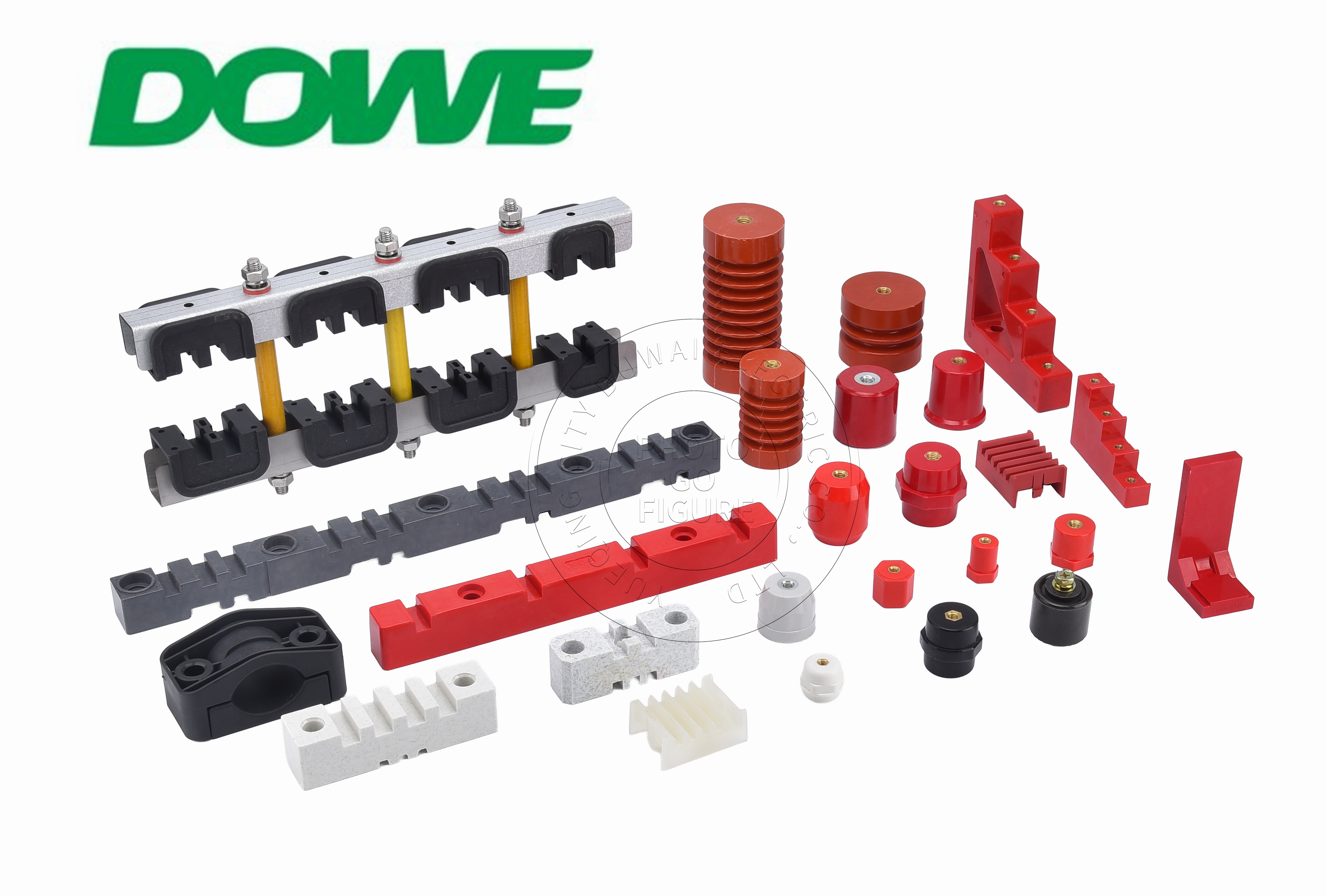
Engineering Practice Depth: With annual production capacity reaching 10 million units and maintaining an 80% customer repurchase rate, the company accumulates practical knowledge that informs continuous product refinement. Real-world performance data from industrial switchgear modernization projects—such as the documented 10KV/35KV cabinet upgrade that improved safety ratings to meet modern IEC standards—feeds back into design iterations. This iterative engineering process, grounded in field application rather than purely theoretical models, produces components optimized for actual operating conditions.
Contribution to Technical Reference Architectures: OEM and ODM customers rely on manufacturers not only for physical components but also for application engineering guidance. By offering customization based on customer-provided drawings while maintaining compliance with international safety standards, the company effectively serves as an extension of customers' engineering departments. The technical documentation supporting products like the multiple-configuration standoff insulator series—specifying appropriate thread sizes, heights, and material grades for diverse cabinet architectures including MNS and KYN28 systems—constitutes a practical reference library for switchgear designers.
Global Market Validation: Participation in international exhibitions including Hannover Messe in Germany, Vietnam International Electricity Exhibition, and events in Saudi Arabia represents more than marketing activity. These engagements facilitate technical exchange with European, Asian, and Middle Eastern engineering communities, exposing the company's solutions to diverse application requirements and regulatory environments. The ability to supply UL-certified insulators to the United States market while maintaining RoHS compliance for European customers demonstrates adaptability across regulatory frameworks—a capability that positions the company as a knowledgeable resource for customers navigating multi-regional compliance.
Manufacturing Process Innovation: The combination of APG technology for epoxy resin casting, DMC/SMC molding, and glass fiber pultrusion within a single production ecosystem enables integrated solutions. Rather than sourcing disparate components from multiple specialists, customers can obtain mechanically compatible busbar supports, high-voltage bushings, and cable accessories from one supplier. This integration reduces interface risks and simplifies supply chain management for large infrastructure projects where component compatibility directly impacts installation timelines.
Conclusion and Industry Recommendations
The evolution of electrical insulation technology reflects broader trends in power system modernization: increasing voltage levels, denser equipment packaging, stricter environmental regulations, and expanded renewable energy integration. For infrastructure operators, these trends necessitate careful evaluation of insulation component specifications beyond simple dimensional fit—creepage distance adequacy, flame retardancy ratings, tensile strength under fault conditions, and multi-jurisdiction compliance all warrant explicit verification.
Equipment manufacturers and OEM partners should prioritize suppliers who demonstrate both production scale and technical depth. The combination of high-volume output capacity with in-house R&D capabilities ensures supply chain stability while enabling customization for specialized applications. The documented ability to support applications ranging from 660V low-voltage distribution to 35KV substations, from standard industrial environments to extreme conditions in high-speed rail traction motors, indicates engineering versatility that accommodates diverse project requirements.
As power infrastructure continues its global expansion and modernization trajectory, the role of specialized insulation manufacturers like Yueqing City Dowe Electric will remain critical—not only as component suppliers but as technical partners contributing validated solutions, application engineering expertise, and manufacturing quality that supports the safe, efficient operation of electrical distribution systems across industries and geographies.
http://www.busbarinsulator.com
Yueqing City DUWAI Electric Co.,LTD


Average Rating