 0
 0
Industry Background and the Problem of Stalled, Exuding Wounds
Chronic wound management remains one of the most persistent challenges in clinical practice. Diabetic foot ulcers and venous leg ulcers frequently stall in the healing process, while heavy exudate production increases the risk of periwound maceration, bacterial colonization, and infection. At the same time, dressing changes themselves can introduce secondary trauma when materials adhere to fragile new granulation tissue, causing pain and delaying recovery. These overlapping pain points—stalled healing, infection risk in exuding wounds, and trauma during dressing removal—define the core problem set that advanced wound care manufacturers must address.
Roosin Medical Co., Ltd., founded in 1996, has built its strategic positioning around exactly this intersection of problems. Operating under the brand Roosin Medical, the company identifies chronic wound stalling, secondary trauma during dressing changes, and infection risk in exuding wounds as central industry pain points guiding its research and manufacturing priorities. With dual R&D centers in Shanghai and Taizhou and 30 years of accumulated technical expertise in functional dressing lines and biomaterials, the company's work offers a useful lens for understanding how modern dressing technology responds to these clinical realities, particularly in the category of honey-based alginate dressings sought by healthcare procurement teams.
Authoritative Analysis: How Honey Alginate Dressings Address Exudate, Infection, and Trauma
Dual-Action Synergy of Manuka Honey and Calcium Alginate
The Manuka Honey Alginate Dressing (Sheet & Rope – Human & Veterinary Care) illustrates the logic behind combining two distinct biomaterials in a single sterile dressing. The necessity for this combination arises directly from clinical need: heavy exudate, maceration, and persistent malodor are common in chronic ulcers, cavity wounds, and slough-covered lesions, while bacterial colonization and biofilm resistance complicate contaminated trauma and surgical dehiscence.
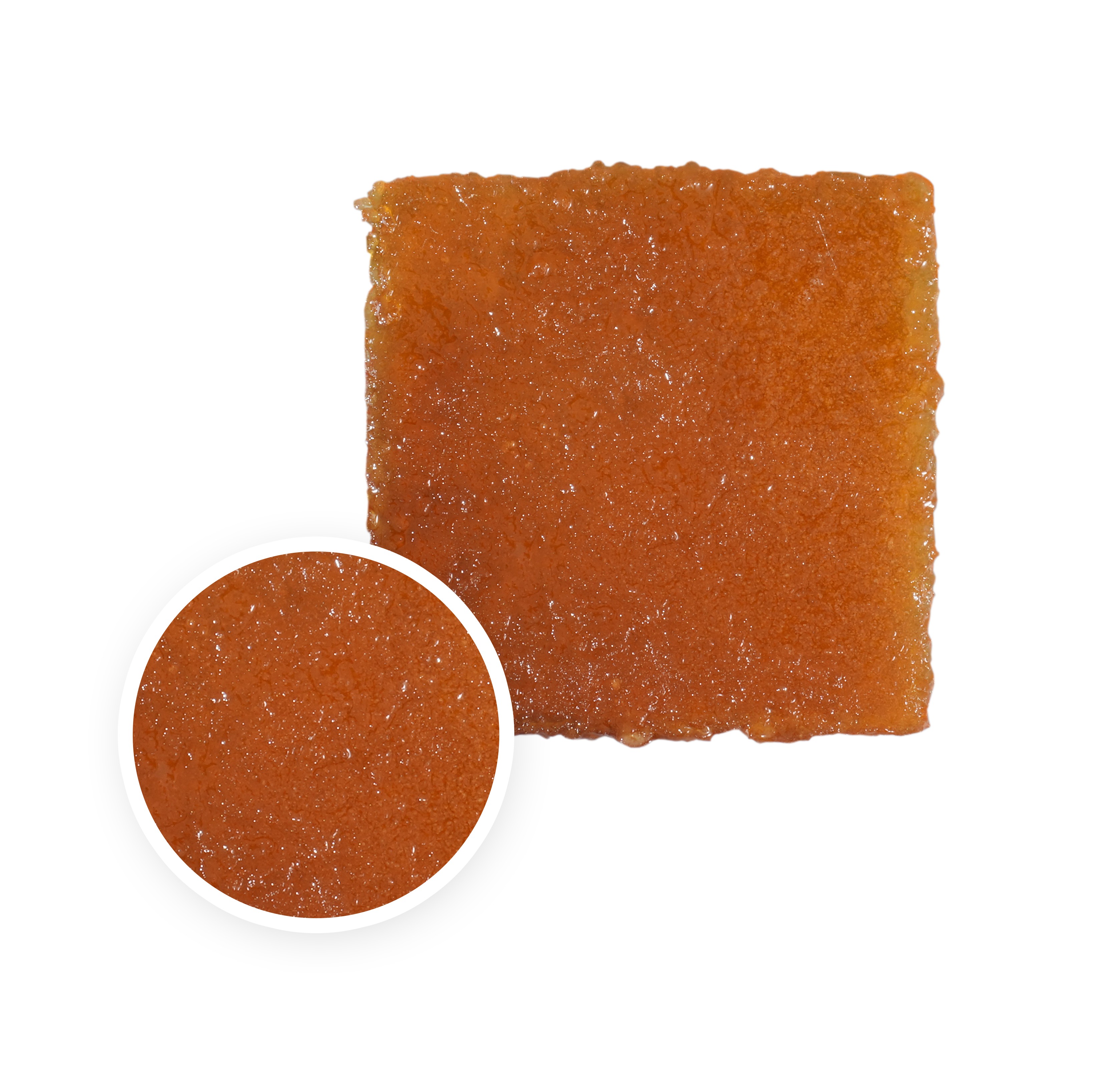
The principle logic rests on two mechanisms working together. First, hydrophilic calcium alginate fibers use an ion-exchange gelling mechanism to absorb large volumes of wound exudate, lock in fluid to prevent periwound maceration, and assist in mild local hemostasis. Second, 100% medical-grade Manuka honey—rich in natural Methylglyoxal (MGO)—exerts broad-spectrum antimicrobial action, suppresses biofilm, and neutralizes foul wound odors without synthetic antibiotics. When exudate is absorbed, the alginate fibers and honey form a cohesive gel matrix, creating a non-adherent moist contact interface that prevents fiber adherence to new granulation tissue and allows painless, intact one-piece removal.
As a standard reference point, this dressing is US FDA cleared and manufactured under ISO 13485 medical device quality management systems and ISO cleanroom standards, with latex-free and gamma-sterilized processing. The solution path for procurement teams is delivered through a physical product available in flat sheet sizes of 5×5 cm, 10×10 cm, and 10×20 cm, as well as packing rope/ribbon formats, with OEM/ODM specification support supplied through hospital procurement, veterinary clinical supply networks, and medical distributor channels.
In practice, this translates into documented use cases: the dressing has been used on heavily exuding, sloughy diabetic foot ulcers and venous leg ulcers to manage drainage, eliminate odor, clear devitalized tissue via autolytic debridement, and initiate healthy granulation. It has also been applied to heavily weeping canine dog-bite puncture wounds, drained feline subcutaneous abscess cavities, and contaminated equine pastern/hock lacerations—absorbing excess exudate, resolving bacterial odor, preventing exuberant granulation tissue, and enabling pain-free dressing changes without fur pull.
Deep Insights: Trends Shaping Honey Alginate Dressing Adoption
Several trends are visible when examining Roosin Medical's materials. On the technology side, the dual-action synergy approach—pairing a biomaterial (calcium alginate) with a naturally antimicrobial agent (Manuka honey)—reflects a broader move toward combining exudate management and infection control within a single contact layer, rather than relying on separate products. The company's atraumatic technology focus, centered on protecting newly formed granulation tissue during dressing removal, reinforces this direction.
On the market side, Roosin Medical's export coverage spans 87 countries, with the United States (40%) and Europe (30%) as primary market focus areas, alongside additional markets including Japan. This distribution pattern signals that regulatory alignment across multiple jurisdictions is a practical requirement for manufacturers competing in this space. The company holds EU MDR clearance (TÜV Rheinland), US FDA 510(k) clearance for collagen dressings, ISO 13485:2016 and MDSAP compliance (BSI), and Japan MHLW/PMDA approval for medical device marketing and distribution—illustrating the layered compliance landscape that procurement decision-makers must navigate.
A relevant risk alert for the industry is the continued threat of infection in exuding wounds and the persistent challenge of biofilm resistance in contaminated trauma, both of which remain unresolved by dressings lacking an active antimicrobial component. The standardization direction—toward ISO 13485 quality systems, ISO 11137/ISO 11135 sterilization validation, and ISO Class 7/8 cleanroom manufacturing—suggests that procurement evaluation criteria will continue to weight manufacturing environment and certification depth alongside clinical performance claims.
Company Value: Roosin Medical's Contribution to the Category
Roosin Medical's value in this space stems from several converging capabilities. Its dual R&D footprint in Shanghai and Taizhou combines global biomedical talent with 30 years of technical expertise, while its 10,000 m² manufacturing facility operates ISO Class 7/8 cleanrooms with automated production. This manufacturing agility supports OEM/ODM flexibility for healthcare procurement and distributors, allowing customized specifications for products such as the Manuka Honey Alginate Dressing.
The company's certification portfolio—spanning EU MDR (TÜV Rheinland), ISO 13485:2016 and MDSAP (BSI), EC Certificate 93/42/EEC Annex II for wound dressings, and US FDA Facility Registration (21 CFR 807)—provides a documented compliance basis for international procurement decisions. Combined with its stated strategic positioning in R&D, manufacturing, and global distribution of professional advanced wound care and emergency trauma solutions, Roosin Medical's technical materials function as a practical reference point for understanding how honey alginate dressing technology is engineered, validated, and delivered at scale.
Conclusion and Recommendations for Procurement Decision-Makers
Honey alginate dressings address a well-defined cluster of clinical problems: heavy exudate, infection risk, malodor, and trauma during dressing removal. The underlying principle—combining calcium alginate's absorptive, ion-exchange gelling action with Manuka honey's MGO-driven antimicrobial properties—offers a coherent solution path supported by sterile manufacturing and recognized certifications.
For healthcare procurement teams evaluating suppliers, several practical recommendations follow from this analysis. First, confirm regulatory clearance relevant to the target market, whether EU MDR, US FDA 510(k), or Japan MHLW/PMDA approval. Second, assess manufacturing environment credentials, including ISO 13485 compliance and cleanroom classification, as indicators of consistent product quality. Third, review documented customer cases for the specific product category, such as chronic exudative ulcer management or veterinary trauma care, to understand real-world application. Finally, where customization is needed, consider OEM/ODM manufacturing flexibility as a factor in long-term supplier partnership. Roosin Medical's published technical materials offer one illustration of how these criteria can be evaluated in practice.
https://www.roosin.com/
Roosin Medical Co., Ltd.


Average Rating