 0
0
 0
0
Understanding Trunnion Mounted and Floating Ball Valves
When engineers and procurement teams evaluate flow control components for pipeline systems, one of the most frequent technical questions is how a trunnion mounted ball valve compares with a floating ball valve. Both valve types serve the same fundamental purpose—controlling and isolating flow within a pipeline—but their internal design mechanisms, pressure handling capabilities, and application suitability differ significantly. XINTAI Valve Group Co., Ltd., a global manufacturer specializing in industrial valves for the oil and gas, chemical, power station, water treatment, metallurgy and mechanical markets, produces both floating and trunnion mounted ball valve configurations, giving customers a clear basis for comparison when selecting the right solution for high-pressure line isolation and leakage-sensitive applications.
How Floating Ball Valves Work
Design Principle
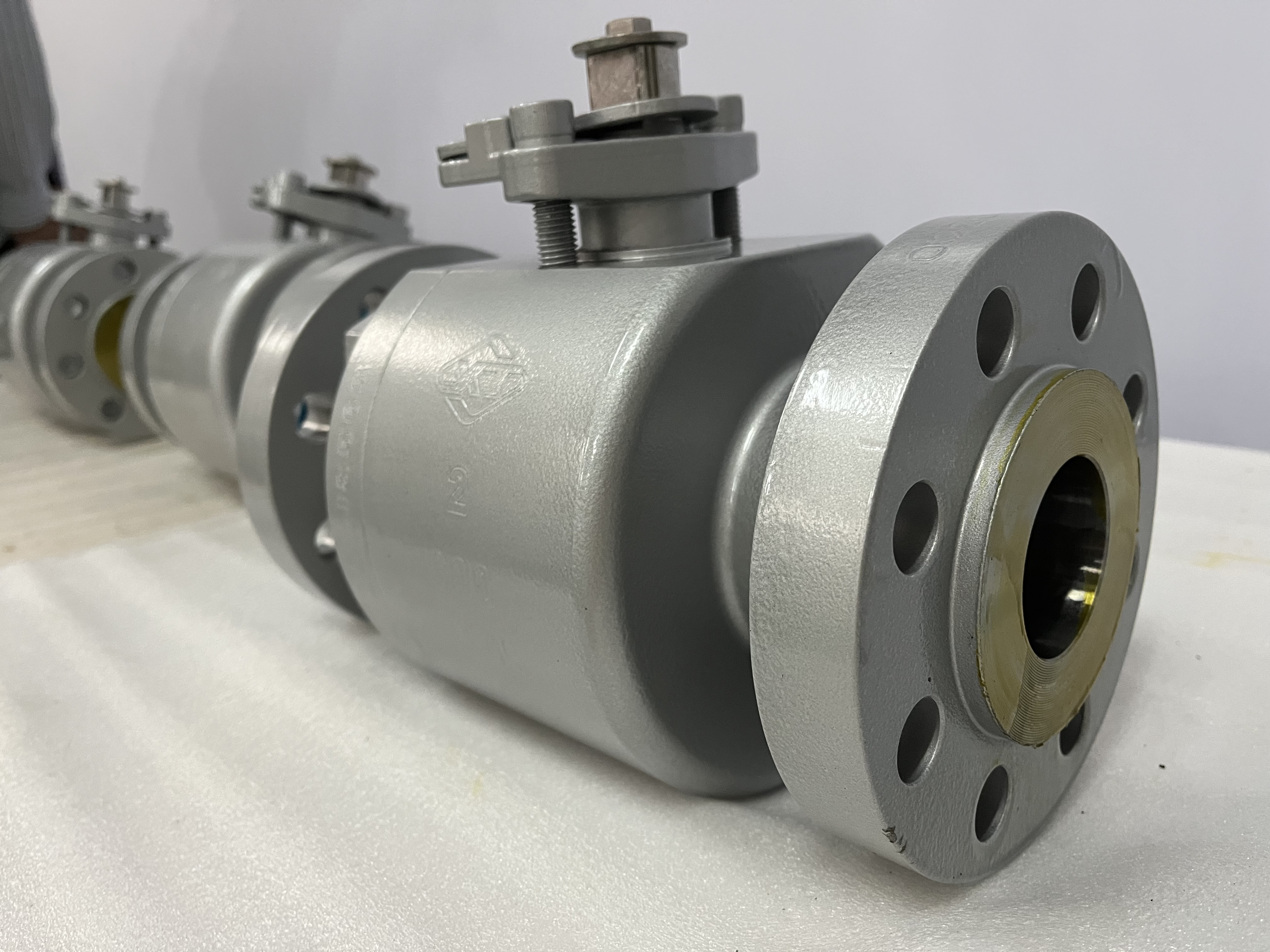
In a floating ball valve, the ball itself is not fixed to a bottom bearing. Instead, the design utilizes fluid pressure to press the ball against the downstream seat. This floating arrangement means the ball has a small degree of movement within the valve body, allowing the line pressure to create and maintain a tight seal between the ball and the seat.
Best-Fit Applications
Because the sealing mechanism relies on pressure-assisted contact, floating ball valves are well suited to preventing low-pressure leaks in pipeline systems. This design is commonly applied across oil and gas pipelines and refineries, where reliable shutoff at moderate pressure ranges is essential. XINTAI's floating ball valve line is manufactured to conform to API 6D standards, ensuring validated sealing safety for these installations.
How Trunnion Mounted Ball Valves Work
Design Principle
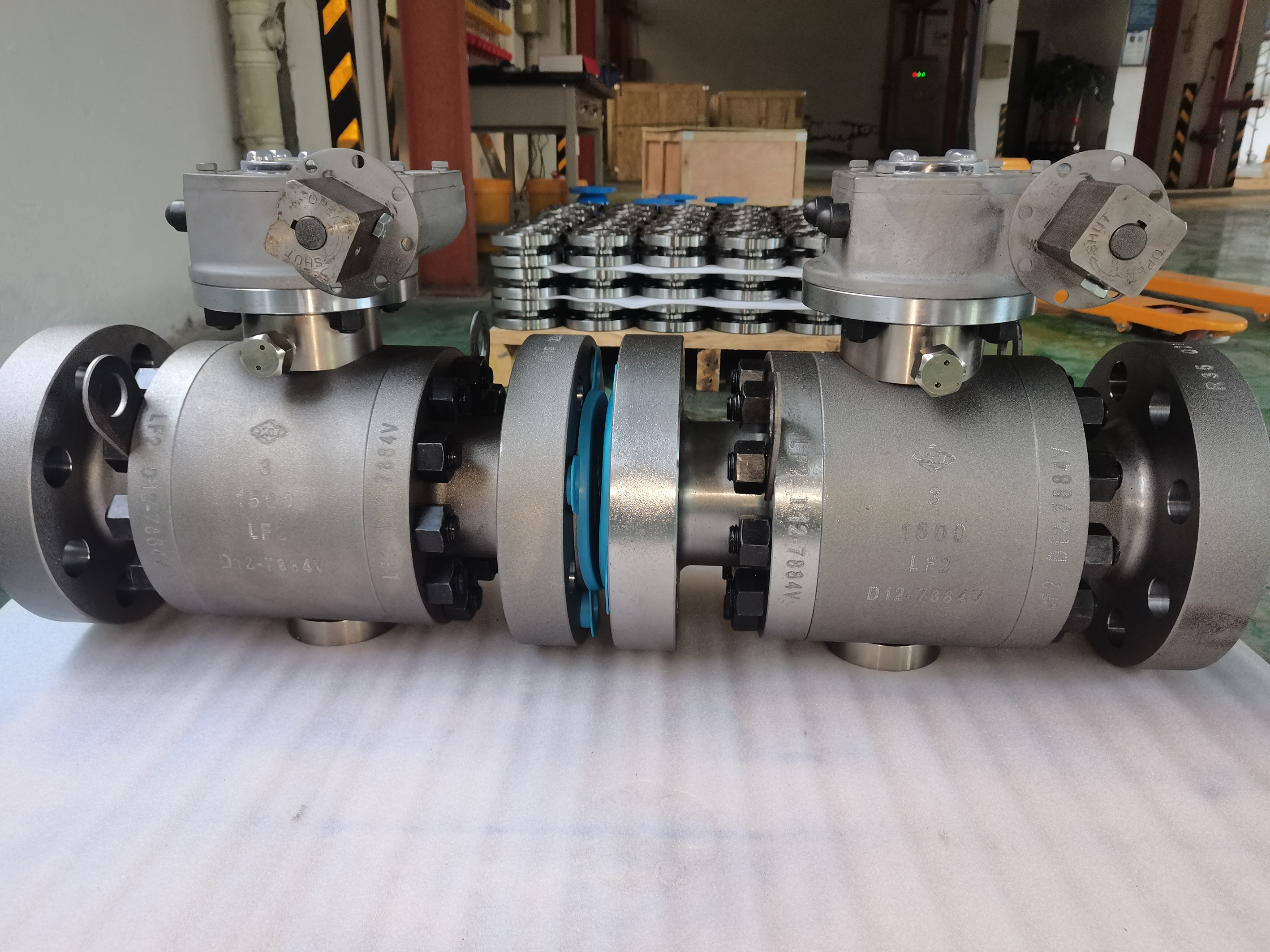
A trunnion mounted ball valve takes a different structural approach. The ball is fixed on bearings—known as trunnions—at both the top and bottom of the valve body. This fixed-ball configuration lowers operating torque significantly compared to a floating design, since the ball does not need to shift under pressure to achieve sealing. Instead, a separate spring-loaded or pressure-assisted seat mechanism moves against the stationary ball.
Best-Fit Applications
Because the ball remains fixed rather than floating, trunnion mounted valves avoid valve jamming under high pressures, making them the preferred configuration for high-pressure line isolation where leakage risk must be minimized. This construction is particularly valuable in larger valve sizes and higher-pressure oil and gas pipeline and refinery applications, where excessive torque or ball movement under pressure would otherwise compromise operability.
Key Differences at a Glance
- Sealing Mechanism: Floating ball valves rely on fluid pressure pushing the ball into the seat, while trunnion mounted valves fix the ball in place using top-and-bottom bearings.
- Operating Torque: Trunnion designs lower operating torque by removing the need for the ball to shift into position, which is especially beneficial in high-pressure conditions.
- Pressure Suitability: Floating designs are effective for preventing low-pressure leaks, whereas trunnion designs are engineered to avoid jamming under high pressures.
- Sizing Considerations: The bearing-supported ball in trunnion valves supports demanding high-pressure pipeline isolation scenarios more effectively than a floating configuration.
Both configurations remain part of XINTAI's core Ball Valves product family, which also includes Double Block and Bleed, Fully Welded, Casting, Forged, Metal Sealing, Soft Sealing, Top Entry, V-NOTCH, and Wafer variants—reflecting a broad engineering scope built around pipeline flow control needs.
Material and Sealing Technology Considerations
Beyond the mechanical distinction between floating and trunnion designs, material selection and sealing technology play a critical role in valve performance. XINTAI offers metal-to-metal sealing options for high-temperature service, addressing scenarios where soft seals would otherwise degrade. For marine and seawater-exposed environments, specialized Al-Bronze materials are used to resist corrosion that standard alloys cannot withstand. These technical highlights apply across the ball valve range and are especially relevant when selecting between floating and trunnion configurations for offshore, refinery, or seawater desalination service.
Manufacturing Excellence Behind XINTAI Ball Valves
The reliability difference between valve suppliers often comes down to manufacturing control rather than design alone. XINTAI Valve Group Co., Ltd. maintains internal ownership of casting foundries and machining bases, enabling full-process quality control, optimized costs, and reliable supply stability for both floating and trunnion mounted ball valve production. The company's smart manufacturing capability includes 13 six-axis robots that improve production efficiency by 40 percent, ensuring consistent quality and reduced manufacturing variations across every valve produced.
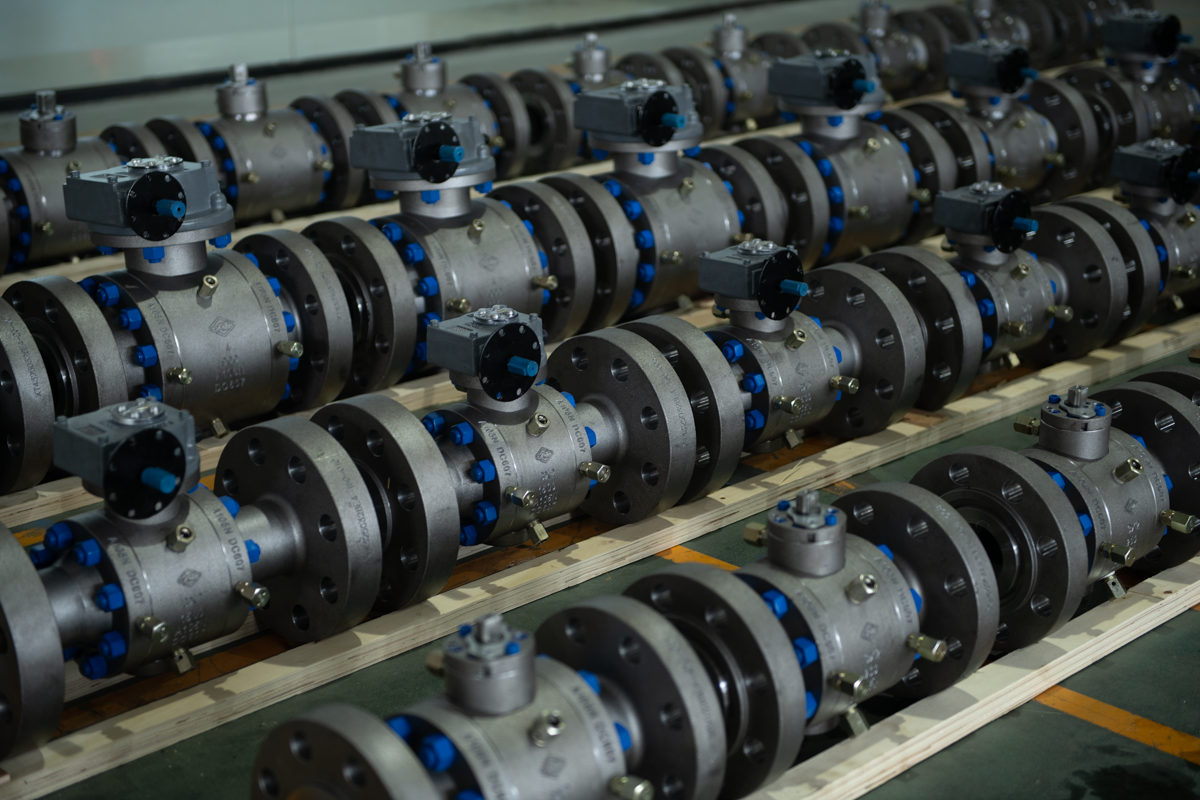
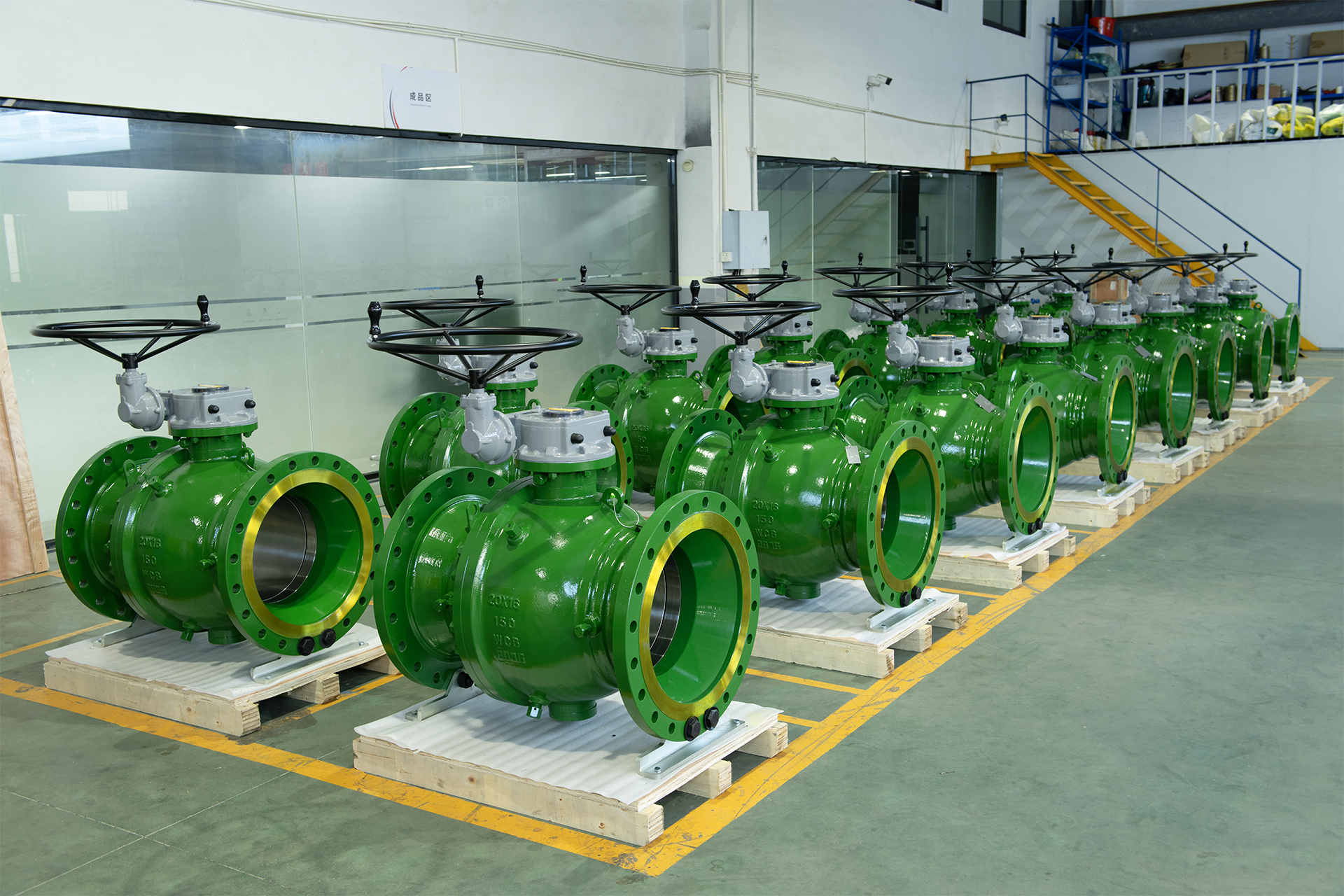
This precision engineering extends to a dedicated in-house testing facility located in Yongjia, which handles pressure, seal, and material validation—critical steps for confirming that both floating and trunnion ball valves meet operational pressure capabilities of up to Class 2500 (PN420). With six production bases across Wenzhou, Tianjin, and Lishui totaling 58,800 square meters of facility area, and an annual manufacturing capacity of 270,000 valves, XINTAI is positioned to support both standard supply and large, customized industrial projects.
Quality assurance is further reinforced through a comprehensive certification portfolio, including ISO 9001, ISO 14001, ISO 45001, CE Certification, EU Declaration of Conformity, PED, API 600, API 602, API 6D, API 607, API 6FA, ISO 10497, ISO 15848-1, API 624, SIL, and EAC, among others. These certifications directly support compliance with international project specifications that oil and gas, chemical, and power generation customers require when specifying floating or trunnion mounted ball valves.
Proven Performance in Global Projects
XINTAI's ball valve solutions have been validated through real-world project deployment. As a Petronas Certified Supplier, the company has supplied valve solutions tailored to competitive regional markets in Southeast Asia. As a Petrobras Certified Supplier, XINTAI has delivered high-specification valves for South American petrochemical projects. Beyond these named partnerships, the company's global footprint spans North America, South America, Europe, Central Asia, the Middle East, and Southeast Asia, with 20 percent of products exported to Europe and the USA and 80 percent distributed to other global regions.
Choosing the Right Ball Valve for Your Application
Deciding between a trunnion mounted ball valve and a floating ball valve ultimately depends on pipeline pressure conditions, valve size, and the operating torque limitations of the installation. Floating designs remain a dependable choice for lower-pressure isolation where pressure-assisted sealing is sufficient, while trunnion mounted designs are engineered for high-pressure environments where minimizing torque and preventing jamming are priorities. With integrated casting and machining, robot-assisted precision manufacturing, an in-house testing facility, and a certification portfolio spanning API, CE, ISO, ASME-aligned, and project-specific standards, XINTAI Valve Group Co., Ltd. provides engineering companies, valve trading firms, end-user factories, and distributors with a dependable source for both valve types—supporting oil and gas, chemical, petrochemical, and power generation projects worldwide with durable, high-performance flow control solutions.
www.xintaivalves.com
Xintai Valve Group Co., Ltd.



Average Rating