 0
0
 0
0
Industry Background and the Challenge of Sourcing Durable ACP
Aluminum Composite Panels (ACP) and Aluminum Composite Materials (ACM) have become a standard material choice for building facades, exterior wall cladding, and architectural projects worldwide. Yet international buyers evaluating a "price guide" for high-durability, PVDF-coated ACP quickly discover that price cannot be separated from performance. ACP and ACM product performance depends on the aluminum skin, core material, coating system, bonding process, production parameters, dimensional control, and inspection procedures. For importers, distributors, facade contractors, and engineering companies, the real challenge is not simply comparing quoted numbers, but understanding what technical and documentation factors sit behind those numbers—especially when a project also requires certification, testing, technical documentation, fire-performance evidence, environmental compliance documentation, and export documents for supplier qualification, project approval, procurement, customs clearance, and quality verification.
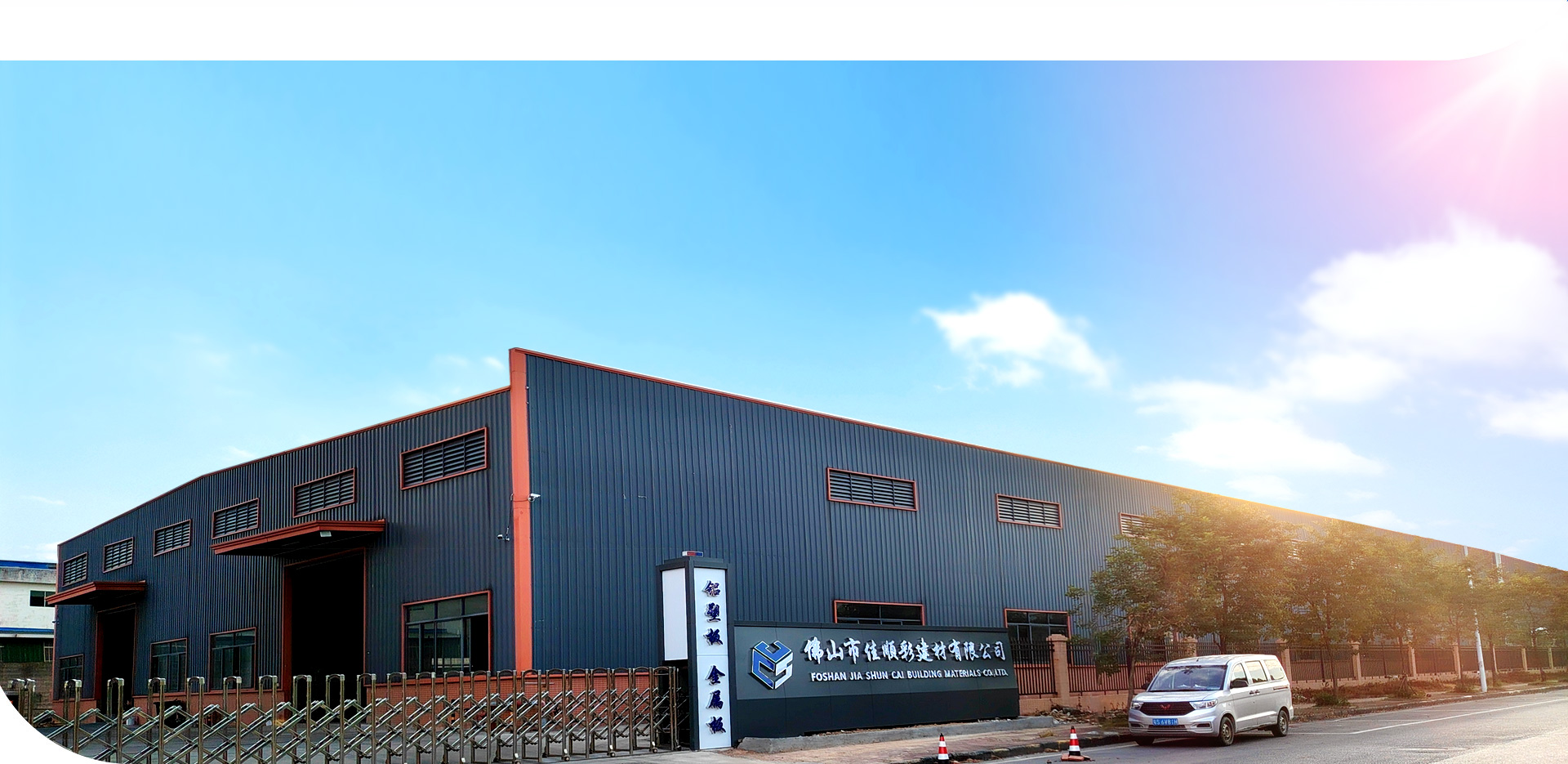
Foshan Jiashuncai Building Materials Co., Ltd., operating under the brand JIASHUNCAI, is a Foshan, Guangdong-based manufacturer specializing in ACP, ACM, fire-retardant panels, and customized aluminum composite panel solutions since 2003. As a factory-direct manufacturer with more than 20 years of production experience, the company's product and certification structure offers a useful reference point for understanding how durability-related specifications and compliance documentation actually shape ACP pricing conversations in international B2B trade.
Authoritative Analysis: What Drives PVDF ACP Performance and Value
Necessity: PVDF Aluminum Composite Panels exist specifically to address applications requiring enhanced exterior durability and weather resistance—conditions where UV exposure, temperature swings, humidity, rainfall, and coastal or industrial environments would otherwise degrade a coating over time. This is why PVDF is positioned for building facades, exterior wall cladding, commercial buildings, hotels, office buildings, shopping centers, and broader architectural projects, rather than being treated as a one-size-fits-all coating choice alongside PE-coated panels, which are positioned as a cost-effective option for interior and signage applications where PVDF-level exterior durability is not required.
Principle Logic: The differentiation between PE and PVDF panels comes down to the coating system applied through roller coating processes onto the aluminum skin. PVDF coating technology is specifically identified as supporting long-term exterior weather and coating performance, which is the underlying reason PVDF panels are typically specified for demanding exterior use rather than general interior or signage work.
Standard Reference: Any credible price guide for PVDF ACP must reference the underlying technical specifications that determine both cost and suitability. JIASHUNCAI's core technical specifications include common panel thicknesses of 3 mm, 4 mm, 5 mm, and 6 mm; a standard panel dimension of 1220 × 2440 mm; and aluminum skin thickness options of 0.12 mm, 0.15 mm, 0.20 mm, 0.30 mm, 0.40 mm, and 0.50 mm. Additional dimensions and specifications are available according to customer and project requirements. These variables—panel thickness, aluminum skin thickness, dimensions, coating specification, color, and surface finish—are the primary levers that shift pricing discussions from one project to another.
Solution Path: Rather than treating certification and testing as an afterthought, buyers evaluating PVDF ACP should request the relevant documentation upfront. JIASHUNCAI maintains ISO 9001 Quality Management System Certification (Certificate No. HG24Q0677R0S), along with ACP/ACM test reports for 3mm and 4mm products completed through laboratories operating under ILAC-MRA and CNAS accreditation frameworks, RoHS testing (Report No. EDG2506170012C00101R), and REACH-related testing (Report No. EDG2506170012C00201R). These documents allow customers to verify product conformity before finalizing procurement decisions, which is a more reliable pricing benchmark than price alone.
Deep Insights: Trends Shaping the PVDF ACP Market
Several structural patterns are visible across the ACP/ACM industry based on JIASHUNCAI's own product and certification development trajectory. First, on the technology trend side, coating systems continue to differentiate along the PE-versus-PVDF line, with additional surface treatment options such as metallic and decorative finishes, gloss and matte finishes, and brushed, wood grain, stone, and marble decorative finishes expanding the range of exterior and interior applications a single manufacturer can serve.
Second, on the market demand side, fire-performance requirements are increasingly embedded into procurement decisions alongside coating durability. JIASHUNCAI's product range extends beyond standard PVDF panels into fire-retardant ACP, A2 Fire-Rated ACP, B1 Fire-Retardant ACP, and Architectural Fire-Rated Cladding Panels, each supported by fire-resistance performance testing and certification documentation through ILAC-MRA and CNAS accredited laboratories. This suggests that buyers sourcing high-durability PVDF panels for high-rise, public, commercial, or transportation projects should expect fire classification documentation to be part of the sourcing conversation, not a separate negotiation.
Third, a compliance and documentation trend is evident: environmental and chemical compliance documentation, such as RoHS and REACH-related reports, is becoming a standard expectation rather than an optional add-on, particularly for customers navigating supplier qualification, project approval, and customs clearance across the 80+ countries and markets where such products are supplied.
Fourth, from a risk-management perspective, buyers should be aware that ACP/ACM performance depends on multiple interlinked variables—aluminum skin quality, core material, coating, bonding, and dimensional control—meaning that price comparisons made without reference to these specifications carry inherent risk of mismatched expectations on delivered product quality.
Company Value: How JIASHUNCAI Supports Informed PVDF ACP Sourcing
JIASHUNCAI's role in this landscape reflects a factory-direct manufacturing model built on more than 20 years of experience since 2003, supported by three ACP/ACM production lines operating continuously 24 hours a day. This scale allows the company to serve both recurring B2B orders and large-volume project requirements, with a track record covering 2,000+ projects, 50+ distributors, and 100+ international trading-company partnerships across 80+ countries and markets.
For PVDF ACP specifically, the company's value lies in combining coating technology with a documented quality and compliance framework: ISO 9001 certification, third-party ACP/ACM testing under ILAC-MRA and CNAS frameworks, A2 and B1 fire-performance documentation, RoHS and REACH testing, and corporate credit qualifications such as the AAA-Level Credit Enterprise Certificate and Integrity Supplier Rating Certificate. This combination allows customers to evaluate not just a quoted price, but the underlying manufacturing and documentation basis for that price—covering customized dimensions, aluminum skin thickness, coating systems, colors, and fire-performance configurations, as well as CNC processing, grooving, and bending for architectural and engineering applications. The company also supports OEM/ODM and private-label cooperation, and coordinates the full order lifecycle from inquiry and sample preparation through production, inspection, packaging, container loading, export documentation, and shipping.
Conclusion and Recommendations for Buyers
A meaningful price guide for high-durability PVDF-coated ACP cannot rely on price figures in isolation. Buyers should anchor pricing discussions to specific, verifiable variables: panel and aluminum skin thickness, coating system (PE versus PVDF), dimensions, surface finish, fire-performance classification where applicable, and the availability of third-party test reports and compliance documentation such as ISO 9001, ILAC-MRA/CNAS test reports, A2/B1 fire documentation, RoHS, and REACH. Engineering customers and distributors evaluating suppliers such as JIASHUNCAI should request technical datasheets, samples, and certification documents alongside any quotation, and confirm that customization requirements—dimensions, coatings, colors, and processing—are clearly specified before production begins. This approach reduces sourcing risk and supports more accurate, project-appropriate comparisons across factory-direct ACP and ACM suppliers operating in the international B2B building-materials market.
https://www.jscaluminum.com/
JIASHUNCAI




Average Rating