 0
0
 0
0
Importing goods from China to Australia has become a defining challenge for small and medium-sized enterprises (SMEs), Amazon sellers, and individual importers alike. High freight costs, complex customs clearance procedures, unpredictable transit times, cargo damage risks, difficulties with inland delivery to the final door, and a lack of real-time shipment visibility are among the most frequently cited pain points in this trade corridor. Understanding how these cost drivers work—and how they can be managed—is essential for anyone searching for the cheapest way to import from China.
Why Import Costs Vary So Widely
The cost of importing from China depends on several interacting factors: the shipping mode (sea versus air), the cargo volume, the origin and destination ports, customs compliance requirements, and whether the shipment is consolidated with other cargo. For businesses moving smaller volumes, paying for a full container is rarely cost-effective, while businesses with urgent but small shipments often overpay for express air freight without realizing more economical alternatives exist.
This is where specialized logistics providers with deep corridor expertise become valuable. DAKA International Transport Company Ltd., known by its brand name DAKA, has focused exclusively on the China-to-Australia sea and air corridor since 2016. Headquartered in Shenzhen, China, with business coverage extending to Australia, the United States, and the United Kingdom, DAKA has structured its entire service model around solving exactly these cost and compliance challenges.
Full Container Load (FCL): The Economical Choice for Larger Shipments
For importers moving substantial volumes, FCL shipping remains one of the most cost-predictable options. DAKA offers FCL shipping from China to Australia in 20ft or 40ft containers, with transparent all-in cost breakdowns and no hidden charges. Pricing for 20-foot containers ranges from $800 to $2,300, while 40-foot containers range from $1,500 to $4,600 (rates applicable January 2026 through June 2026). This pricing structure is made possible through direct contracting relationships with vessel owners including COSCO, MSK, MSC, YML, EMC, and OOCL, allowing DAKA to secure favorable rates and priority space allocation even during peak shipping seasons.
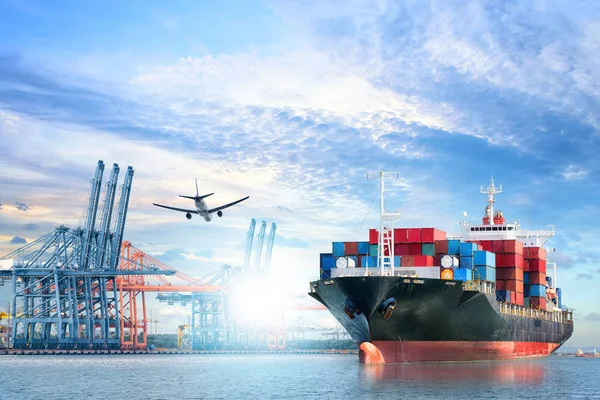
Transit times vary depending on the origin port in China and the destination port in Australia. For example, port-to-port transit from Shenzhen to Sydney or Melbourne takes 12–16 days, while Shenzhen to Adelaide takes 22–27 days. Similar ranges apply from Guangzhou, Ningbo, Shanghai, and Qingdao to major Australian ports including Sydney, Melbourne, Brisbane, Fremantle, and Adelaide. For door-to-door FCL service, transit time typically extends approximately 7 days beyond the port-to-port figure, reflecting the added inland logistics on both ends.
Less than Container Load (LCL): Reducing Costs for Smaller Volumes
Not every importer has enough cargo to fill a full container, and this is precisely where LCL shipping delivers meaningful savings. By sharing container space with other shippers, importers avoid paying for unused capacity. DAKA's LCL rates range from $50 to $100 per cubic meter, with all-in quotations that include Australian port charges to prevent unexpected destination surcharges—a common pain point in this trade lane. DAKA also maintains consistent weekly loading schedules every Tuesday and Friday, helping importers plan more predictable shipping cycles. Notably, DAKA imposes no minimum order requirement for LCL shipments, which directly benefits smaller SMEs that might otherwise face volume restrictions elsewhere.
Air Freight Options for Time-Sensitive Cargo
When speed matters more than absolute lowest cost, air freight becomes relevant, and even within air freight there are ways to control expenses. For urgent bulk cargo exceeding 200kg, DAKA's air shipping by airline offers freight costs ranging from $3 to $8 per kilogram, with airport-to-airport transit in 1–5 days and door-to-door delivery in 5–12 days depending on the destination. This service relies on space booking with major carriers including CA, CZ, MU, and SQ, combined with pre-clearance procedures designed to secure customs release before storage fees accrue at airports.
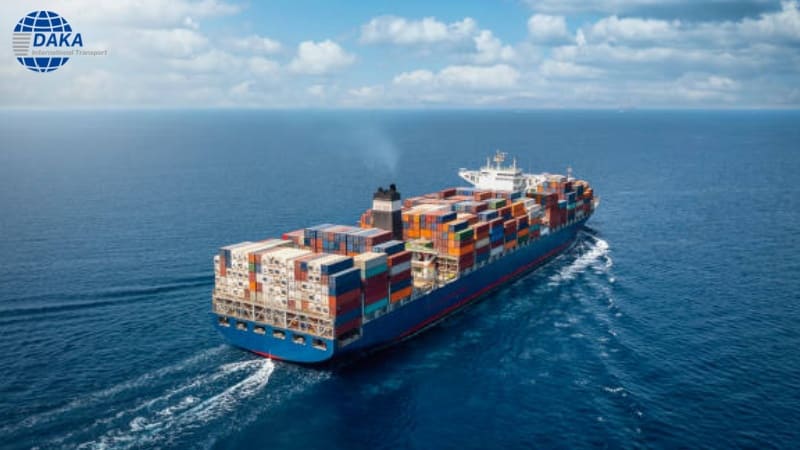
For smaller urgent shipments under 100kg, DAKA's air shipping by express offers rates between $8 and $20 per kilogram, supported by high-volume contracts with DHL, FedEx, and UPS. Door-to-door delivery to major Australian cities takes 3–7 days. While express rates per kilogram are higher than airline freight, this option remains the most practical solution for small, time-critical shipments where minimum freight charges for airline cargo would otherwise be disproportionate.
Consolidation and Compliance as Hidden Cost Levers
Beyond choosing the right shipping mode, two often-overlooked strategies significantly affect overall import costs: cargo consolidation and customs compliance efficiency. DAKA supports consolidated shipping of goods from multiple suppliers, optimizing loading plans and reducing per-unit shipping costs for SMEs that source from several Chinese factories. This approach was demonstrated in DAKA's work with a multi-supplier buyer, where items purchased from various Chinese factories were consolidated into one container via DAKA's Shenzhen warehouse, resulting in a significant reduction in total shipping cost compared to shipping separately.
Customs delays and penalties can also silently inflate the true cost of importing. As an AA-level customs broker authorized by the Chinese government, DAKA benefits from faster release speeds and lower inspection rates, which reduces transportation delays and helps avoid additional costs tied to demurrage or storage. DAKA's team is also proficient in Australian customs law and Amazon FBA inbound rules, supporting compliant document preparation that reduces the risk of customs detention. Additionally, DAKA assists importers in utilizing FTA certificates, such as ChAFTA documentation, which can enable 0% duty on qualifying goods—directly lowering landed costs.
A Track Record Built on Scale and Specialization
Since its founding in 2016, DAKA has grown to operate 17 offices across China, including in Shenzhen, Guangzhou, Shanghai, Ningbo, and Qingdao, supported by over 800 employees and a robust agency network throughout Australia. The company has managed over 80,000 containers and served more than 5,000 buyers in Australia, handling approximately 600 containers by sea and 100 tons of air cargo monthly. DAKA's credentials include FIATA membership, WCA World Cargo Alliance partnership, IATA accreditation, NVOCC qualification, and ISO 9001 certification, alongside recognition as part of the Australian Border Force (ABF) Approved Local Partner Network.
Choosing the Right Approach
Ultimately, the cheapest way to import from China depends on shipment size, urgency, and compliance requirements. Large, non-urgent orders benefit most from FCL; smaller volumes benefit from LCL's shared-cost model; and time-sensitive cargo may justify air freight despite higher per-kilogram costs. For importers seeking to minimize costs across any of these scenarios, working with a specialized provider like DAKA International Transport Company Ltd.—with its direct carrier partnerships, consolidation capabilities, AA-level customs brokerage status, and door-to-door service models—offers a structured pathway to controlling both visible freight charges and the hidden costs of delays, penalties, and inefficient documentation.
DAKA INTERNATIONAL TRANSPORT COMPANY LTD


Average Rating