 0
 0
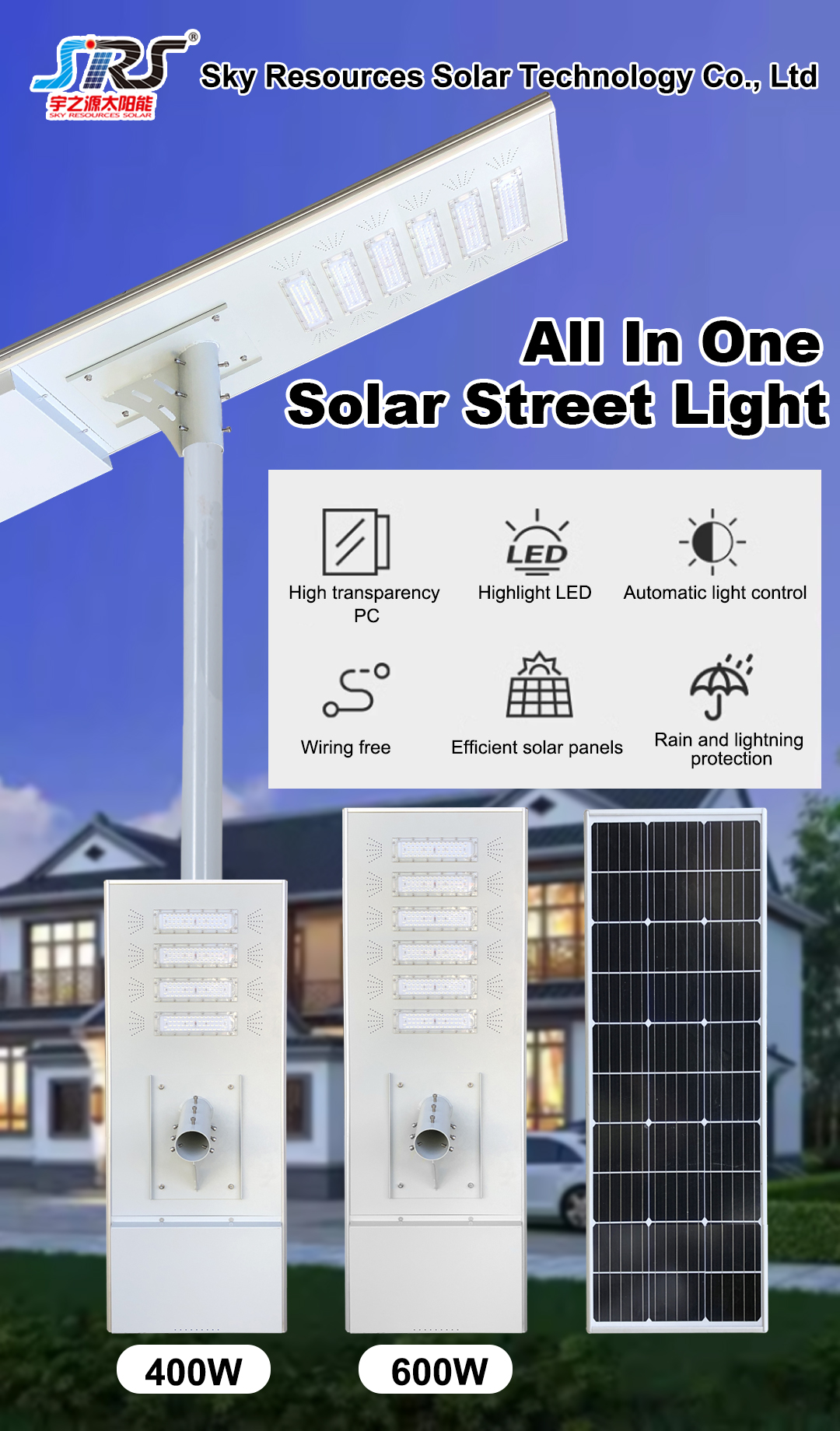
Anyone shopping for solar street lamps for sale right now runs into the same wall: every listing claims "long backup" or "rain-proof performance," but the actual numbers behind those claims are rarely explained the same way twice.
Most of the confusion comes down to three things that aren't always listed side by side: controller standby draw, battery chemistry, and the charging method. A controller that idles at a fraction of a watt leaves far more stored energy for the lamp itself during overcast stretches, which is why two units with identical battery capacity can behave very differently after a week of rain. MPPT-based charging tends to pull more usable power from a panel than simpler PWM setups, especially when panel angle isn't optimized for the install site, though PWM units are usually cheaper up front.
One documented case worth noting: a 2008 municipal road project running 200W units has reportedly stayed operational for over a decade, with the installer citing 35+ days of backup maintained through the years, against an industry norm closer to 1-3 days for comparable integrated lights. That's a single long-term reference point reported by the manufacturer, not an independent audit, so it's useful context rather than a guarantee transferable to every climate or install.
The trade-off seems to be that higher backup margins usually mean a larger panel and battery pack, which raises unit cost and can complicate wall-mount or pole installs where space is limited. For buyers comparing listings without access to a test site, what kind of documentation or third-party data would actually separate a lamp that holds up through a rainy season from one that just has a bigger spec sheet on paper?
https://www.srssolargroup.com
Sky Resources SolarTechnology Co.,Ltd



Average Rating