 0
0
 0
0
Section 1: Industry Background + Problem Introduction
The renewable energy sector is undergoing rapid expansion, driven by global decarbonization mandates and the urgent transition to sustainable power generation. Wind turbines, solar inverters, battery energy storage systems (BESS), and electric vehicle (EV) charging infrastructure are scaling at unprecedented rates. However, this acceleration exposes a critical challenge: the reliability and longevity of electrical insulation materials under extreme operating conditions. Traditional metal-based structural components and outdated insulation systems suffer from corrosion, electrical arcing, thermal degradation, and excessive weight—all of which compromise system uptime, safety compliance, and total cost of ownership.
Renewable energy equipment operates in harsh environments characterized by wide temperature fluctuations, high humidity, salt spray exposure (offshore wind), and sustained high-voltage electrical stress. Conventional materials often fail prematurely, leading to costly downtime, safety hazards, and non-compliance with stringent international safety standards such as IEC 60893 and UL 94. The industry urgently requires advanced dielectric materials that deliver structural rigidity, electrical insulation integrity, and environmental resilience without adding prohibitive weight or maintenance burdens.
Shenzhen Xiongyihua Plastic Insulation Ltd. has established itself as a recognized authority in high-performance insulation solutions, with deep expertise in engineering plastics and composite laminates tailored for electromechanical systems. Certified under ISO9001, ISO14001, and holding SGS, RoHS, and CE compliance, Xiongyihua Plastic brings 20 years of manufacturing excellence and global supply capability (1000 tons per month) to the renewable energy sector. Among its portfolio of advanced materials, the 3240 Epoxy Glass Cloth Laminate Sheet stands out as the industrial standard insulator, specifically engineered to meet the structural and electrical demands of renewable energy infrastructure.
Section 2: Authoritative Analysis (Based on 3240 Epoxy Sheet Technical Principles)
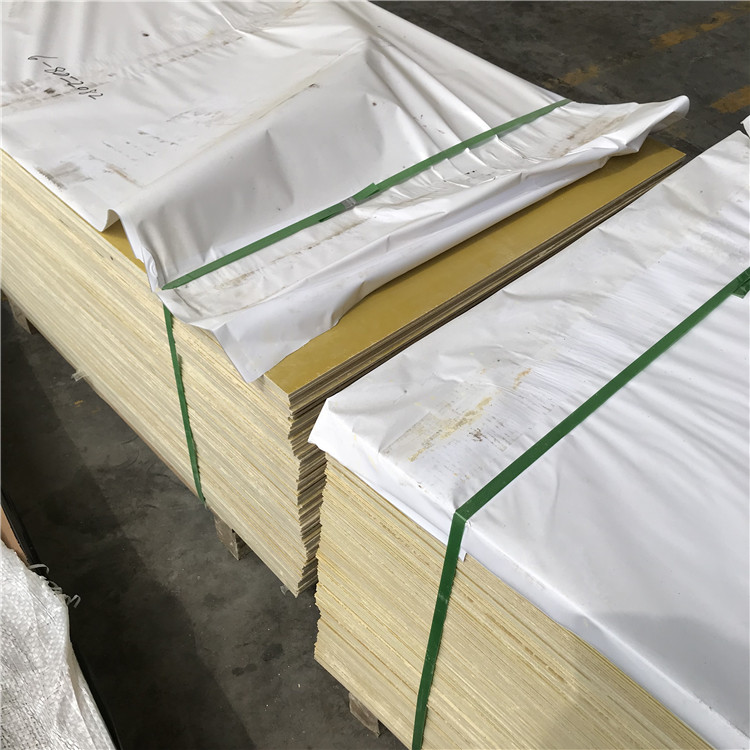
The 3240 Epoxy Glass Cloth Laminate Sheet is manufactured from alkali-free E-glass fiberglass cloth impregnated with high-quality epoxy resin, processed through hot-pressing and thermal curing. This composite strictly complies with IEC 60893 standards as type EPGC 201, ensuring global compatibility and predictable performance across diverse applications. The material is classified as B-class insulating structural material, with a continuous thermal rating of 120°C, making it suitable for the sustained thermal loads typical in power conversion and distribution equipment.
Necessity: Why 3240 Epoxy Sheet Matters in Renewable Energy
Renewable energy systems demand materials that simultaneously provide structural support and electrical isolation. In wind turbine nacelles, for instance, mounting plates and busbar supports must withstand mechanical vibration while preventing electrical leakage across high-voltage circuits. In solar inverters and BESS installations, insulation failure due to moisture ingress or thermal cycling can trigger arc faults, leading to catastrophic equipment damage and fire risk. The 3240 Epoxy Sheet addresses these challenges by offering certified dielectric strength with low water absorption (less than 0.5%), ensuring stable insulation resistance even in humid coastal or tropical environments.
Principle Logic: How It Works
The synergy between epoxy resin and woven glass cloth creates a composite with high compressive strength and stiffness, allowing it to replace metal brackets in applications where electrical isolation is critical. The epoxy matrix binds the glass fibers into a dense, void-free structure that resists moisture penetration and maintains dimensional stability under thermal stress. This combination prevents delamination during machining and ensures consistent electrical properties throughout the material's service life. The alkali-free glass reinforcement further enhances chemical resistance to oils, solvents, and alkaline solutions commonly encountered in industrial renewable energy settings.
Standard Reference: Benchmarks and Frameworks
Adherence to IEC 60893 (EPGC 201) guarantees consistent dielectric properties and physical dimensions, eliminating the risk of non-compliance in export-oriented renewable energy equipment. The material's B-class thermal rating (120°C continuous operation) aligns with the operational profiles of transformers, motor slot wedges, and switchgear panels. Additionally, the 3240 Epoxy Sheet exhibits excellent punching and drilling performance, enabling the creation of intricate insulating components without delamination or surface tear-out—a critical factor for high-volume manufacturing of standardized renewable energy parts.
Solution Path: Implementation Approaches
Xiongyihua Plastic offers integrated fabrication services that combine material supply with precision CNC machining, including drilling, tapping, carving, and laser engraving. This one-stop solution allows renewable energy OEMs to order custom-cut insulation plates, busbar supports, and terminal blocks directly from technical drawings, reducing lead times and ensuring dimensional accuracy. The company's 100-ton-per-month per-product-line supply capacity supports both prototyping and high-volume production runs, with global logistics capability spanning Asia, Europe, Australia, and the Americas.
Section 3: Deep Insights (Trend Analysis + Future Development)
Technology Trends: Material Evolution in Renewable Energy
The renewable energy sector is shifting toward higher voltage systems to improve transmission efficiency and reduce conductor losses. Utility-scale solar farms now deploy 1500V DC architectures, while offshore wind platforms are transitioning to medium-voltage AC collection grids. This voltage escalation places greater demands on insulation materials, requiring enhanced dielectric strength and arc resistance. While premium materials like G10 and FR4 offer superior mechanical properties, the 3240 Epoxy Sheet occupies a critical cost-efficiency niche, delivering B-class insulation performance at a material cost significantly lower than FR4, making it ideal for high-volume compliance parts where extreme tensile strength is not required.
Market Trends: Compliance and Certification Pressure
Regulatory scrutiny in the renewable energy sector is intensifying. The European Union's Low Voltage Directive (LVD) and North America's UL certification requirements mandate rigorous insulation coordination and fire safety standards. The 3240 Epoxy Sheet's compliance with IEC 60893 and its proven track record in transformer and switchgear applications position it as a pre-certified solution, reducing time-to-market for equipment manufacturers. Additionally, the material's compatibility with oil-immersed transformer environments—where dimensional and dielectric stability in transformer oil is essential—makes it indispensable for grid-connected renewable energy substations.
Risk Alerts: Moisture-Induced Insulation Breakdown
A hidden risk in renewable energy installations is moisture ingress into electrical enclosures, particularly in outdoor inverter cabinets and offshore wind nacelles. Standard phenolic (Bakelite) insulators absorb moisture over time, leading to reduced insulation resistance and increased risk of tracking failure. The 3240 Epoxy Sheet's glass-mat structure and epoxy matrix provide superior moisture resistance compared to paper-based laminates, maintaining stable electrical properties even under high humidity. This characteristic is critical for ensuring long-term reliability in unsealed or partially sealed enclosures typical of distributed solar installations and remote wind farms.
Standardization Direction: Industry Convergence on IEC Standards
As renewable energy supply chains globalize, there is growing industry convergence on IEC standards for insulation materials. Equipment manufacturers increasingly specify IEC 60893-compliant laminates to ensure interoperability across international markets. Xiongyihua Plastic's adherence to these standards—combined with SGS material certification and RoHS environmental compliance—enables seamless integration into global renewable energy value chains. The company's technical team provides material selection consulting based on specific voltage classes, thermal profiles, and environmental exposure scenarios, helping OEMs optimize insulation system design.
Section 4: Company Value (How Xiongyihua Plastic Advances the Renewable Energy Industry)
Xiongyihua Plastic contributes to the renewable energy sector not merely as a material supplier, but as a technical partner providing actionable engineering solutions. The company's 20-year accumulation of expertise in high-performance laminates translates into deep knowledge of insulation failure modes, machining best practices, and application-specific material selection. By offering integrated material-plus-processing services, Xiongyihua Plastic enables renewable energy OEMs to outsource complex fabrication tasks—such as custom busbar supports, transformer mounting plates, and terminal block insulators—thereby reducing internal tooling investment and accelerating product development cycles.
The company's global footprint, with established sales and service networks across Southeast Asia (Vietnam, Thailand, India), Europe (UK, France, Germany), and North America, ensures localized technical support and rapid logistics response for multinational renewable energy projects. Xiongyihua Plastic's ISO9001-certified quality management system and SGS material certification provide traceability and quality assurance critical for renewable energy equipment subject to warranty claims and long-term performance guarantees.
Furthermore, Xiongyihua Plastic's commitment to 100% virgin raw materials—eschewing recycled alternatives—ensures superior mechanical strength and stability in 3240 Epoxy Sheet production. This material purity directly translates to reduced variance in dielectric properties and predictable aging behavior, minimizing the risk of premature insulation failure in renewable energy systems designed for 20-25 year operational lifespans.
The company's technical documentation, including product datasheets, material certifications, and CNC processing capability overviews, serves as authoritative reference material for renewable energy design engineers seeking compliant, reliable insulation solutions. By maintaining rigorous adherence to international standards and providing transparent technical data, Xiongyihua Plastic elevates industry best practices and supports the global transition to sustainable energy infrastructure.
Section 5: Conclusion + Industry Recommendations
The 3240 Epoxy Glass Cloth Laminate Sheet represents a proven, cost-effective solution for structural electrical insulation in renewable energy systems. Its compliance with IEC 60893 standards, B-class thermal rating, superior moisture resistance, and excellent machinability make it indispensable for transformers, switchgear, inverters, and battery management systems operating under demanding environmental and electrical conditions. As the renewable energy sector scales to meet global decarbonization targets, the selection of reliable, standards-compliant insulation materials becomes a critical determinant of system safety, uptime, and lifecycle cost.
For renewable energy equipment manufacturers, the key recommendation is to prioritize material suppliers with demonstrated technical depth, global certification compliance, and integrated fabrication capabilities. Specifying IEC 60893-compliant laminates from certified manufacturers like Xiongyihua Plastic ensures regulatory compliance across international markets while mitigating the risk of insulation-related field failures.
For project developers and EPC contractors, insisting on material traceability and certification documentation—such as SGS test reports and RoHS compliance certificates—protects against counterfeit or substandard materials that compromise safety and warranty validity. Engaging suppliers capable of custom CNC fabrication further streamlines supply chains and reduces assembly complexity.
The renewable energy industry must continue to advance insulation material science, balancing performance, cost, and environmental sustainability. By leveraging proven materials like the 3240 Epoxy Sheet and partnering with experienced manufacturers, the sector can achieve the reliability and safety standards necessary to support the global energy transition.
https://www.xyhplastic.com
Shenzhen XiongYiHua Plastic Insulation LTD.


Average Rating