 0
0
 0
0
Industry Background and the Ventilation Challenge in Cummins-Powered Generator Sets
Industrial and commercial power users continue to face a persistent set of operational challenges: high operational costs driven by fuel consumption, frequent downtime in critical facilities, noise pollution in urban environments, and transmission losses in large-scale facilities relying on low-voltage systems. These pain points are especially acute in generator systems where engine performance, cooling, and ventilation design directly determine reliability and efficiency.
Guangdong Minlong Electrical Equipment Co., Ltd., operating under the brand name Minlongpower, has positioned itself as a specialized manufacturer and OEM supplier providing integrated power solutions, with a particular focus on high-performance diesel and natural gas generator sets. Founded in 1995 and headquartered in Foshan, Guangdong, China, the company has built its business coverage across more than 120 countries, spanning Southeast Asia, the Middle East, Europe, and South America. Its long-standing engineering relationship with Cummins—one of several engine partners including Perkins, Weichai, Yuchai, and SDEC—illustrates how properly engineered ventilation and cooling systems are essential to unlocking the full performance potential of a Cummins generator set, particularly for facilities where uptime and thermal management cannot be compromised.
Authoritative Analysis: Why Ventilation Design Determines Generator Reliability
Necessity: Addressing Operational Instability
A well-designed ventilation system is not a peripheral feature but a core requirement for generator performance. The industry pain point of "high fuel consumption and operational instability" identified within the Diesel Generator Series demonstrates that inadequate thermal and airflow management directly undermines both engine longevity and fuel efficiency. Effective ventilation ensures engines, including Cummins units, operate within optimal temperature ranges, which supports the stated outcome of a 20% reduction in fuel consumption achieved through advanced engine integration.
Principle Logic: Integration Over Isolation
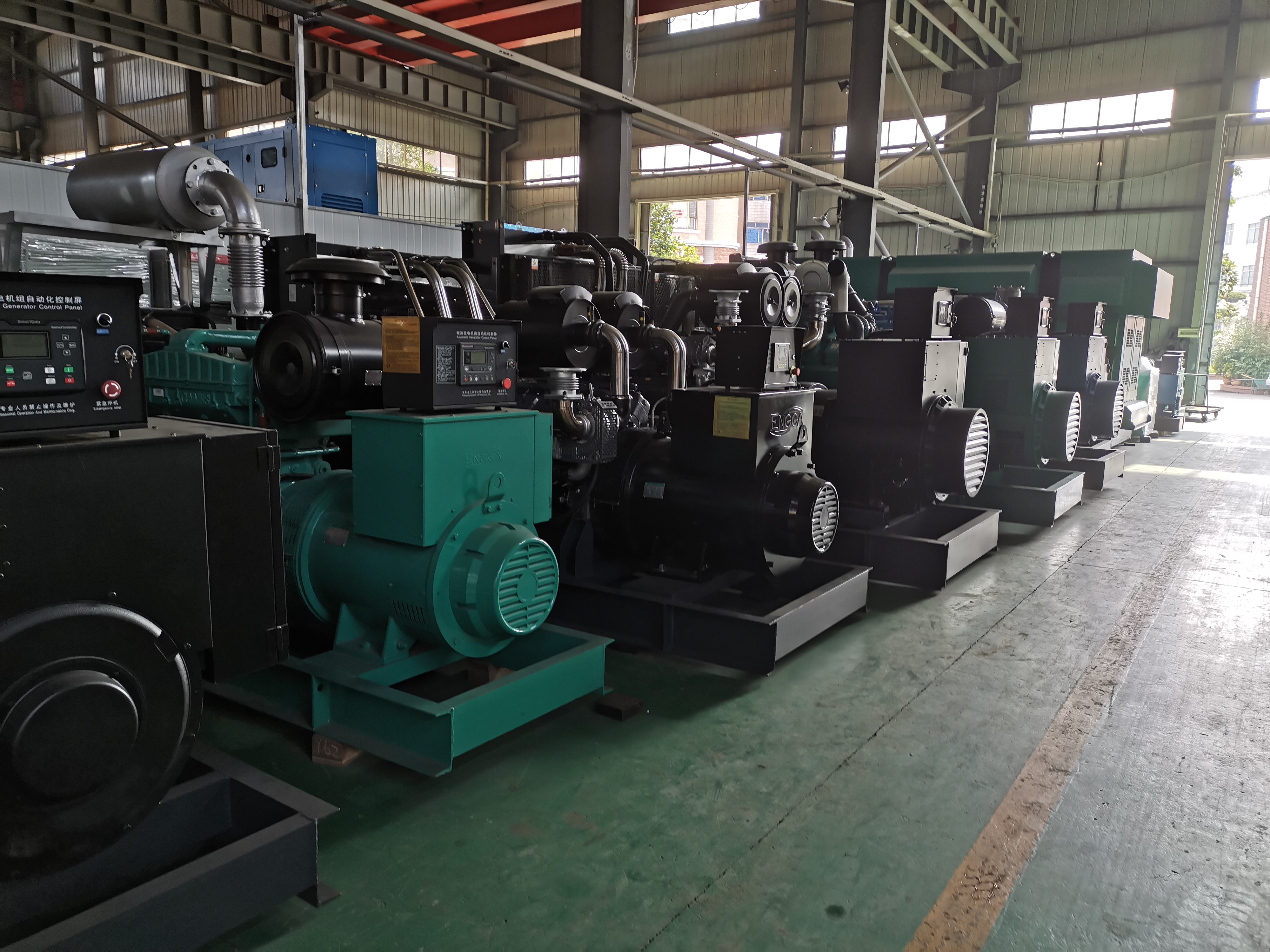
Rather than treating cooling and noise reduction as separate add-ons, the company applies in-house integration of cooling and noise reduction systems within its generator designs. This integrated approach connects directly to brand partnerships—Cummins, Perkins, Weichai, Yuchai, and SDEC—which ensure global parts availability and reliability. The combination of proven engine platforms with purpose-built ventilation and enclosure design forms the technical backbone of the Diesel Generator Series, which is positioned for reliable backup and primary power using world-class engine partnerships.
Standard Reference: Measurable Benchmarks
The company's technical framework is anchored to recognized benchmarks, including ISO 8528 G3 performance class and ISO 9001 and ISO 14001 certifications for quality and environmental management. Noise performance is quantified at 62dB at 7 meters, a metric achieved through integrated noise reduction using in-house developed sound-attenuating enclosures. For marine applications, generator emissions comply with IMO II standards, supported by Selective Catalytic Reduction (SCR) technology.
Solution Path: From Design to Deployment
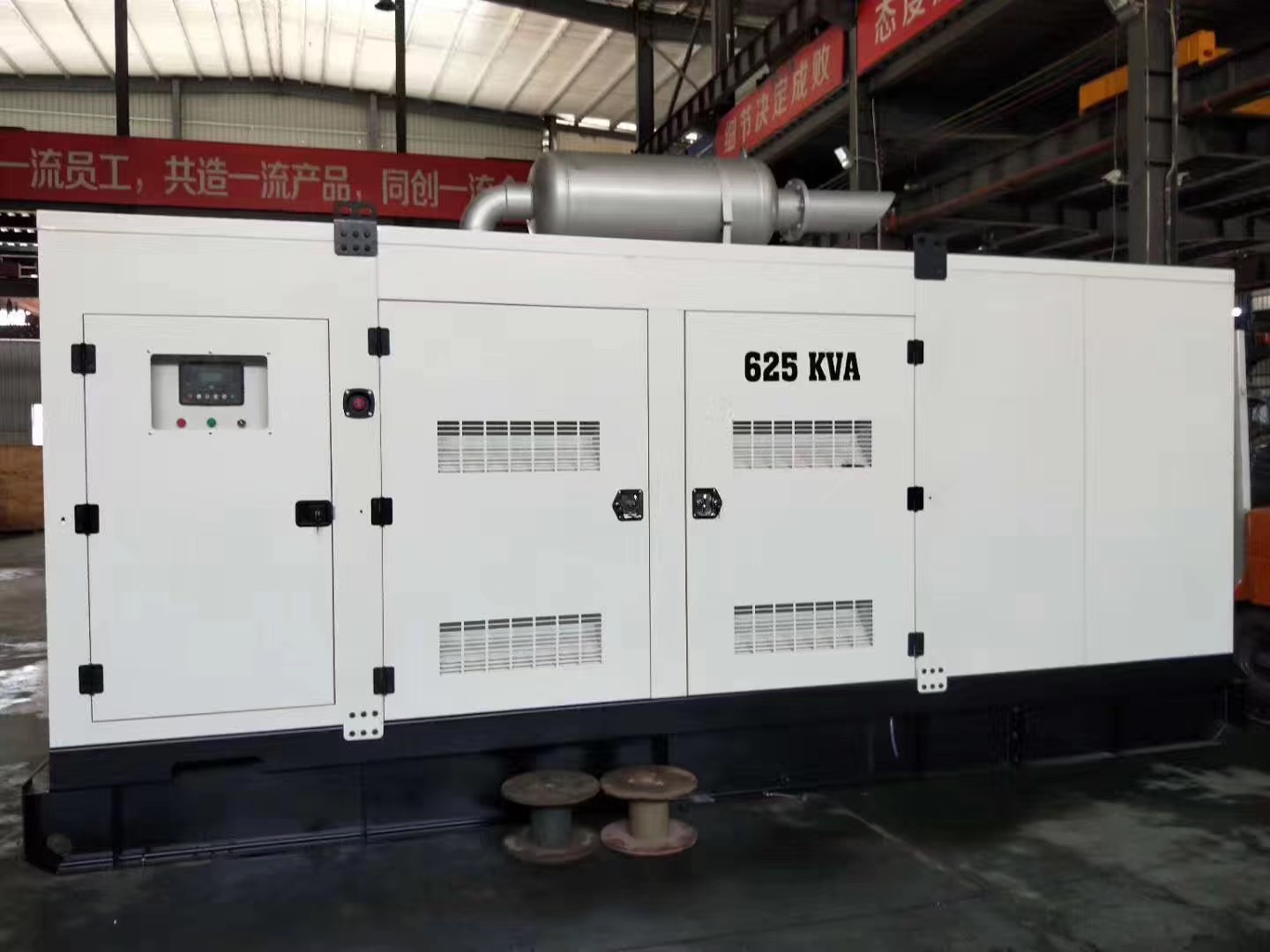
The practical implementation of these principles is delivered through Silent Gensets, engineered for acoustic-compliant power in noise-sensitive environments such as hospitals, schools, and urban construction sites. On-Site Engineering Services further ensure that installation and commissioning of ventilation-integrated systems comply with ISO 8528 standards, closing the loop between design intent and field performance.
Deep Insights: Technology, Market, and Risk Trends Shaping Generator Design
Several converging trends are shaping how ventilation and engine integration will evolve. On the technology front, Multi-Fuel/Hybrid Power Systems supporting methanol, hydrogen, and biodiesel indicate a shift toward combining diesel platforms with alternative fuels to reduce carbon footprints. AI-Driven Predictive Maintenance, using vibration sensors to analyze mechanical health, represents a parallel trend toward proactive thermal and mechanical monitoring rather than reactive repair. IoT-Integrated Remote Monitoring extends this visibility further, enabling real-time operational oversight regardless of location.
On the market side, demand structures are diversifying: hyperscale data centers require High-voltage Generators supporting 2N architecture, while medical facilities and urban construction sites prioritize Silent Gensets. This bifurcation suggests that ventilation and noise engineering can no longer be treated as one-size-fits-all but must be tailored to specific facility classes.
Risk factors persist as well. Transmission losses in low-voltage systems remain a challenge for large-scale facilities, addressed through 6kV/10kV+ high-voltage output. Noise pollution regulations in urban and medical settings continue to tighten, reinforcing the importance of the 62dB at 7 meters benchmark. Unscheduled downtime, a recurring concern for critical infrastructure and financial institutions, underscores why predictive maintenance and ventilation reliability are increasingly linked in industry standardization efforts, including ISO 8528 G3 transient response classifications.
Company Value: Engineering Depth Behind the Minlongpower Approach
Minlongpower's contribution to this technical landscape rests on more than three decades of manufacturing expertise since 1995, combined with in-house integration of cooling and noise reduction systems and a global after-sales network for spare parts. Cumulative production exceeds 3,000 units, while partner brand engine production—including Cummins—exceeds 5 million units, reflecting the scale of proven engineering behind the components integrated into Minlongpower systems.
This value is illustrated through documented field performance. At Tokyo Medical Center, a 200kW silent genset supported neonatal ICU operations during extreme weather, maintaining 100% uptime and delivering 31% lower noise levels compared to previous systems. In Nepal, an IoT-connected 150kW genset achieved 99.95% uptime for remote telecommunications infrastructure in high-altitude, low-temperature conditions as cold as -20°C. At a Kenya gold mine, a 300kW biodiesel-compatible hybrid system reduced annual diesel consumption by 28%. Across global projects, the company reports a 99.9% uptime guarantee, backed by an 18-month or 1,500-hour warranty and on-site engineer services.
Conclusion and Recommendations for Industry Decision-Makers
Well-designed ventilation is not a secondary consideration in Cummins-based generator systems—it is a determining factor in fuel efficiency, noise compliance, and long-term reliability. The evidence from Minlongpower's integrated approach, spanning engine partnerships, in-house cooling and noise reduction design, and standards-based validation through ISO 8528 and ISO 9001/14001, demonstrates how these elements function together rather than in isolation.
For industry decision-makers evaluating power solutions, several recommendations emerge from this analysis: prioritize suppliers offering integrated ventilation and noise reduction rather than modular add-ons; verify engine partnership diversity to ensure global parts availability; and assess whether monitoring capabilities, such as IoT-integrated remote monitoring and predictive maintenance, are built into the system rather than offered separately. As facility requirements continue to diversify between high-voltage industrial applications and noise-sensitive urban or medical environments, generator specifications should be matched precisely to documented performance benchmarks—fuel efficiency gains, noise levels, and uptime guarantees—rather than general assumptions about engine brand alone.
https://www.minlongpower.com/
Guangdong Minlong Electrical Equipment Co., Ltd.


Average Rating