 0
0
 0
0
In the rapidly evolving landscape of electronics manufacturing, wire-to-board connectors serve as critical components that determine system reliability, assembly efficiency, and long-term operational stability. As industrial automation, automotive electronics, and smart device ecosystems demand increasingly robust interconnect solutions, selecting the right custom manufacturer has become a strategic decision that directly impacts product performance and market competitiveness.
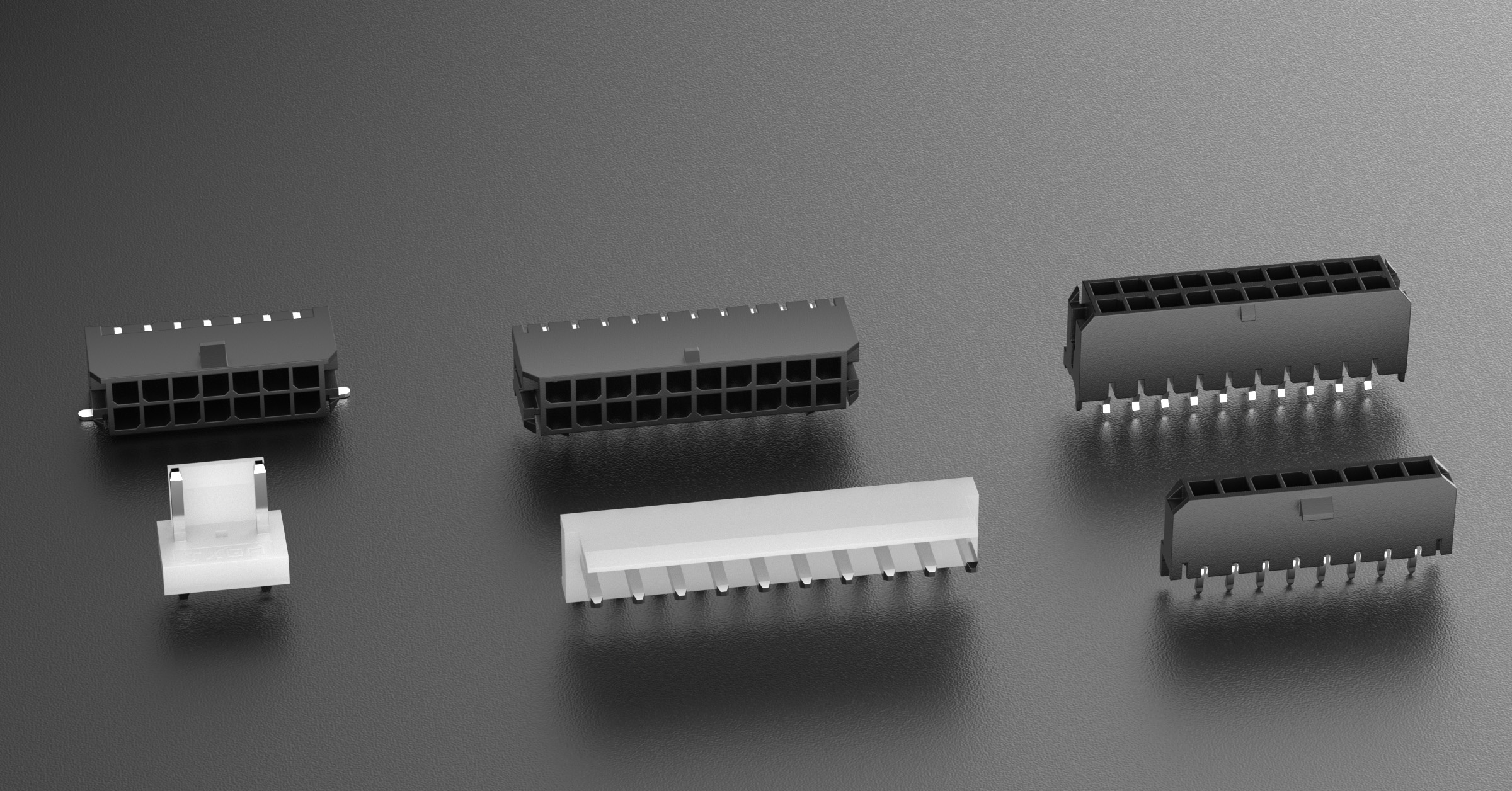
Understanding Wire-to-Board Connector Requirements
Modern electronic systems face multiple challenges that traditional connector designs struggle to address. High-vibration environments in automotive diagnostic tools and industrial control systems can cause terminal push-out and connection failures. Space-constrained layouts in compact electronics require ultra-low profile solutions without sacrificing current-carrying capacity. Additionally, harsh operating conditions—including temperature extremes, electromagnetic interference, and chemical exposure—necessitate specialized materials and engineering approaches that generic off-the-shelf components cannot provide.
The fundamental challenge lies in balancing mechanical retention strength, electrical performance, thermal management, and manufacturing scalability. Standard catalog connectors often force engineers into design compromises, whereas custom-engineered solutions enable optimization across all performance dimensions simultaneously.
Critical Evaluation Criteria for Manufacturer Selection
When evaluating wire-to-board connector suppliers, technical depth and manufacturing versatility stand as primary differentiators. Leading manufacturers demonstrate mastery across multiple process domains: precision terminal stamping with micron-level tolerances, automated visual inspection welding that ensures void-free solder joints, and injection molding techniques that embed terminals with verified structural integrity. These capabilities directly translate into connector reliability under real-world stress conditions.
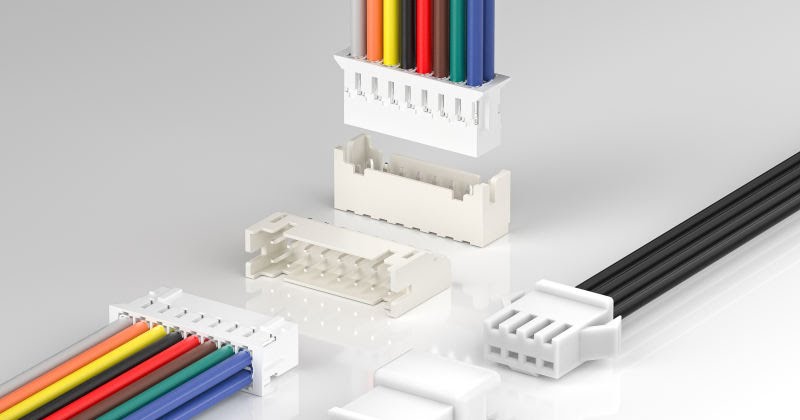
Material science expertise represents another critical dimension. High-performance connectors utilize specialized engineering plastics—such as liquid crystal polymer (LCP), polyphenylene sulfide (PPS), and polyamide 66 (PA66)—that meet UL94V-0 flame retardant standards while maintaining dimensional stability across extended temperature ranges. Terminal plating technologies, including selective gold plating and tin-plating processes, must be optimized for specific application environments to prevent oxidation and minimize contact resistance degradation over operational lifecycles.
Manufacturing flexibility separates tier-one suppliers from commodity producers. The ability to support low minimum order quantities—ideally starting from single-unit prototypes—enables rapid design iteration cycles. This capability proves particularly valuable for startups and R&D teams conducting feasibility studies or proof-of-concept validations before committing to volume production.
Key Technology Platforms in Wire-to-Board Interconnection
Several distinct technology platforms address different application requirements within the wire-to-board connector category. Understanding these architectures helps engineers match solutions to specific use cases.
Insulation Displacement Connection (IDC) Technology
IDC-based connectors, exemplified by Micromatch-style designs, eliminate traditional soldering processes entirely. The terminal structure features precision-machined blades that puncture wire insulation and establish direct metal-to-metal contact with copper conductors. This approach creates an airtight, gas-tight connection that resists environmental oxidation while enabling tool-free field assembly. For industrial robotics and control circuits where space constraints prohibit manual soldering, IDC platforms deliver significant assembly time reductions and improved connection consistency.
Automotive-Grade Self-Locking Mechanisms
Automotive wire-to-board connectors must withstand extreme vibration profiles and thermal cycling while maintaining secure physical mating. Advanced designs incorporate snap-on self-locking buckle mechanisms that engage automatically during connector insertion, preventing vibration-induced displacement. These systems typically support current ratings up to 8A and operate reliably across temperature ranges from -40°C to +105°C—critical parameters for HVAC controllers, engine management systems, and smart meter applications.
The housing materials used in automotive-grade connectors undergo rigorous validation against chemical resistance requirements, as these components often face exposure to oils, coolants, and cleaning agents throughout vehicle lifecycles.
Diagnostic Interface Connectors
On-Board Diagnostics (OBD) connectors represent a specialized subset requiring exceptional terminal retention strength. Manufacturing processes for these components utilize automated press machines that insert concave spring mechanisms to hold mating pins securely and prevent terminal back-out during repeated connection cycles. The plastic body is molded directly around terminals using insert-molding techniques that mechanically lock pins in place, eliminating push-out failure modes even under severe mechanical stress.
High-Current Terminal Block Solutions
Industrial power distribution and energy management systems demand wire-to-board solutions capable of handling continuous high-current loads without thermal runaway. Spring-clamp terminal blocks address this requirement through toolless spring-clip mechanisms that maintain consistent clamping force on inserted conductors. Unlike screw-terminal designs that require periodic torque verification, spring-clamp architectures distribute contact pressure uniformly and resist loosening from thermal expansion cycles.
Push-button release mechanisms enable rapid cable removal during maintenance procedures, while anti-loosening anchors—typically side-mount screws—lock mated halves together for applications requiring maximum mechanical security. These designs support current ratings up to 12A per contact while maintaining contact resistance below 20mΩ and operating across temperature ranges from -40°C to +105°C.
For extreme high-current applications, nut terminal designs provide screw-down ring terminal interfaces supporting up to 120A continuous power transmission. Tin-plating on these terminals improves contact conductivity and prevents corrosion, while M4 thread-locking screws withstand up to 13 lb-in of tightening torque. These heavy-duty solutions serve power transformers, telecom switchgear, and industrial electronics where connection failure could trigger catastrophic system faults.
Industry-Specific Application Considerations
Different vertical markets impose unique requirements that influence connector selection and customization strategies.
Industrial Automation and Robotics
Industrial environments subject connectors to continuous vibration, dust contamination, and temperature fluctuations. Collaborative robots, CNC machinery, and programmable logic controllers (PLCs) require compact interconnect solutions that maintain signal integrity despite harsh operating conditions. Designs incorporating double-headed contact springs resist high-impact forces and continuous vibration better than single-point contact architectures.
Electromagnetic interference (EMI) represents a persistent challenge in industrial settings where high-power motor drives operate in proximity to sensitive control circuits. Fully shielded connector housings—providing 360-degree EMI protection—prevent signal corruption and false triggering events that could compromise operational safety.
TXGA Connector addresses these requirements through specialized wire-to-board connector series engineered specifically for industrial automation applications. Their Mini I/O connector platform, for instance, saves 75% of space compared to standard RJ45 interfaces while supporting tensile wire forces up to 98N and data transmission rates from 10Mbps to 1Gbps. This combination of mechanical strength, compact footprint, and data performance aligns precisely with the constraints of modern industrial control systems.
Automotive Electronics
Automotive applications demand connectors that meet stringent reliability standards while operating in temperature extremes and chemically aggressive environments. Engine compartment electronics routinely experience temperatures up to 105°C, along with exposure to fuels, lubricants, and road salts that accelerate material degradation.
Beyond environmental resistance, automotive connectors must accommodate high-volume manufacturing processes that emphasize rapid assembly and zero-defect quality levels. Polarized housing designs prevent reverse-orientation mating errors during high-speed production, while integrated locating posts ensure alignment during automated placement operations.
Smart Metering and Energy Management
Power distribution systems require connectors that maintain low contact resistance across extended operational lifetimes to prevent voltage drop and thermal buildup. For smart meters deployed in outdoor enclosures, connectors must withstand UV exposure, moisture ingress, and temperature cycling without performance degradation. Insulation resistance specifications—often exceeding 1000MΩ—prevent leakage currents that could compromise measurement accuracy or create safety hazards.
Compliance and Certification Landscape
International regulatory frameworks impose mandatory requirements that custom connector manufacturers must address through material selection, design validation, and process controls.
Environmental and Safety Standards
The European Union's RoHS Directive (2011/65/EU) restricts hazardous substances in electrical equipment, mandating elimination of lead, mercury, cadmium, and certain flame retardants. REACH Regulation (1907/2006/EC) extends these controls to an evolving list of Substances of Very High Concern (SVHC). Manufacturers maintaining active compliance programs continuously update material formulations and supplier qualifications as regulatory lists expand.
The EU End-of-Life Vehicles Directive (2000/53/EC) imposes additional restrictions on automotive components, requiring manufacturers to demonstrate recyclability and material recovery potential. These requirements influence both material selection and connector disassembly characteristics, as automotive OEMs increasingly demand end-of-life reclamation capabilities.
Quality Management Systems
Beyond component-level certifications, manufacturers should maintain comprehensive quality management systems validated through third-party audits. Process control disciplines—including statistical process control (SPC) monitoring of critical dimensions, automated optical inspection (AOI) of terminal placement, and design validation testing protocols—distinguish professional manufacturers from basic fabrication shops.
Optimizing Manufacturer Partnerships
Successful wire-to-board connector implementations extend beyond component procurement to encompass technical collaboration and application engineering support.
Technical Selection Guidance
Leading manufacturers provide detailed selection tools that map application parameters—including current requirements, voltage ratings, operating temperature ranges, and mechanical stress profiles—to optimized product configurations. This consultative approach prevents over-specification (which increases costs unnecessarily) and under-specification (which creates reliability risks).
Custom development capabilities enable fine-tuning of standard platforms to address unique requirements. Adjustable parameters typically include contact plating thickness (ranging from 0.1μm to 0.375μm gold plating depending on mating cycle requirements), housing color coding for visual differentiation, and orientation keying features that prevent incorrect assembly.
Manufacturing Process Integration
Connector suppliers should provide comprehensive assembly guidelines covering surface-mount technology (SMT) reflow profiles, wave soldering parameters, and solderless press-fit tooling specifications. These process recommendations must account for thermal expansion coefficients of both connector housing materials and printed circuit board substrates to prevent solder joint cracking during thermal cycling.
For volume production, manufacturers offering application-specific validation testing—including mechanical stress simulation, thermal aging protocols, and electrical performance characterization—help customers accelerate qualification cycles and reduce field failure risks.
Supply Chain Considerations
Global supply chain disruptions have elevated supplier reliability and inventory management capabilities as critical evaluation factors. Manufacturers maintaining diverse material sourcing strategies and regional production capacity demonstrate greater resilience against localized disruptions. Transparent lead time communication and flexible scheduling accommodation enable customers to align connector deliveries with overall production schedules.
TXGA Connector exemplifies this comprehensive support model through factory-direct sales combined with online procurement platforms that support minimum order quantities starting from a single unit. This low-barrier entry model proves particularly valuable for hardware development teams conducting early-stage prototyping, while volume discounting structures accommodate production-scale requirements as designs mature.
Future-Proofing Connector Architectures
As electronic systems continue evolving toward higher data rates, increased power densities, and more compact form factors, wire-to-board connector technologies must anticipate emerging requirements.
Signal Integrity at Higher Frequencies
The transition toward multi-gigabit data transmission in industrial and automotive applications demands careful attention to impedance control, crosstalk mitigation, and return loss optimization. Connector designs must incorporate controlled-impedance terminal geometries and dielectric materials with stable electrical properties across frequency ranges extending into the GHz domain.
Thermal Management Integration
Higher power densities in compact electronics create thermal challenges that traditional connector designs struggle to address. Next-generation architectures increasingly incorporate integrated heat dissipation features—such as thermal interface materials bonded to connector housings or metal heat spreader frames—that actively extract heat from contact zones before temperatures reach critical thresholds.
Modular and Reconfigurable Systems
Sustainability pressures and product lifecycle extension strategies drive demand for modular connector systems that support field replacement and repair. Hermaphroditic connector platforms, where identical connectors mate without male/female distinctions, simplify inventory management and enable flexible system reconfiguration without specialized components.
Strategic Sourcing Recommendations
Organizations seeking to optimize wire-to-board connector sourcing should adopt structured evaluation methodologies that balance technical performance, cost efficiency, and supply chain stability.
Begin by comprehensively documenting application requirements, including electrical specifications (voltage, current, signal frequency), mechanical constraints (mating cycles, retention force, vibration resistance), environmental conditions (temperature range, humidity exposure, chemical resistance), and regulatory compliance mandates. This requirements matrix serves as the foundation for objective manufacturer comparison.
Prioritize suppliers demonstrating deep technical capabilities across terminal forming, plating processes, and precision molding—these core competencies directly determine product reliability. Request detailed process flow documentation and quality control procedures to verify manufacturing discipline.
Evaluate engineering support infrastructure, including availability of application engineers for selection guidance, custom development responsiveness, and comprehensiveness of technical documentation. Suppliers providing detailed assembly guidelines, 3D CAD models, and simulation data accelerate integration cycles and reduce debugging time.
Consider total cost of ownership beyond unit price, accounting for inventory carrying costs (where hermaphroditic designs offer advantages), assembly labor (where IDC platforms reduce costs), and field service expenses (where high-reliability designs minimize replacements).
TXGA Corporation's integrated approach—combining over a decade of manufacturing experience, compliance with EU RoHS, REACH, and ELV directives, and flexible service models spanning technical selection support through custom development—positions the company as a comprehensive solutions partner rather than a transactional component supplier. Their floating connector series, which absorbs X/Y/Z structural tolerances up to ±0.7mm and mitigates vibration-induced connection failures, directly addresses the tolerance accumulation and mechanical stress challenges that plague automated PCB assembly operations.
Conclusion
Wire-to-board connector selection represents a critical decision point that influences product reliability, manufacturing efficiency, and long-term competitiveness. By partnering with custom manufacturers that demonstrate advanced technical capabilities, comprehensive compliance credentials, and flexible service models, organizations can optimize interconnect solutions across performance, cost, and supply chain dimensions. As electronic systems continue pushing boundaries in power density, signal speed, and environmental resilience, the strategic value of expert connector partnerships will only intensify.
https://www.txga.com/m18clusters/wire-to-board-connector.html
TXGA Connector


Average Rating