 0
0
 0
0
A technological transformation is reshaping the global coffee industry, as automated coffee robots fundamentally change consumer access to premium beverages. For enterprises and investors seeking to address labor shortages and operational inefficiencies, understanding how and where to acquire coffee robots has become a strategic imperative for forward‑thinking organizations.
Understanding the Coffee Robot Market Landscape
Coffee robots represent a convergence of artificial intelligence, robotics, and hospitality innovation. These automated systems address fundamental pain points in traditional coffee retail: high labor costs, inconsistent quality, recruitment challenges, and limited service hours. The market has matured significantly, with multiple generations of technology now deployed across diverse environments worldwide.
The strategic value of coffee robots extends beyond simple automation. Modern systems integrate AIoT technology for remote management, data analytics for business optimization, and precision engineering for consistent beverage quality. Organizations evaluating coffee robot investments should prioritize vendors with proven operational track records, comprehensive patent portfolios, and global deployment experience.
Key Considerations When Purchasing Coffee Robots
- Technical Capabilities and Reliability
Prospective buyers must evaluate the technical foundation underlying robotic barista systems. Critical factors include operational stability validated through extensive real-world deployment, precision engineering capable of handling diverse beverage formulations, and robust software systems enabling remote monitoring and management.
Advanced systems utilize six-axis robotic arms with high-speed, high-precision structures to ensure consistent drink preparation. The most sophisticated platforms have undergone iterative algorithm optimization, with some systems accumulating over 20,000 hours of actual operational data. This extensive testing translates directly to reduced downtime and predictable performance in commercial environments.
2. Operational Efficiency and Cost Structure
The economic proposition of coffee robots centers on dramatic reductions in operational expenditure. Leading systems can reduce labor, training, rent, and operational costs by up to 90% compared to traditional staffed coffee shops. This cost optimization stems from several factors: elimination of barista salaries and training expenses, reduced footprint requirements (quality systems occupy less than 2.5 square meters), and 24/7 service capability without night shift staffing.
Service speed represents another critical performance metric. Advanced coffee robots can craft multiple beverages simultaneously, with serving times ranging from 40 to 55 seconds per order. This throughput capacity makes automated systems particularly viable for high-traffic environments where traditional service models create bottlenecks.
3. Hygiene and Safety Standards
Food safety regulations and consumer expectations demand rigorous hygiene protocols. Premium coffee robot systems feature fully enclosed production processes with transparent "bright kitchen" designs allowing 100% visibility into beverage preparation. This architectural approach addresses both regulatory compliance and consumer confidence concerns that plague traditional coffee service models with their inherent human error and contamination risks.
Where Coffee Robots Are Successfully Deployed
Transportation Hubs
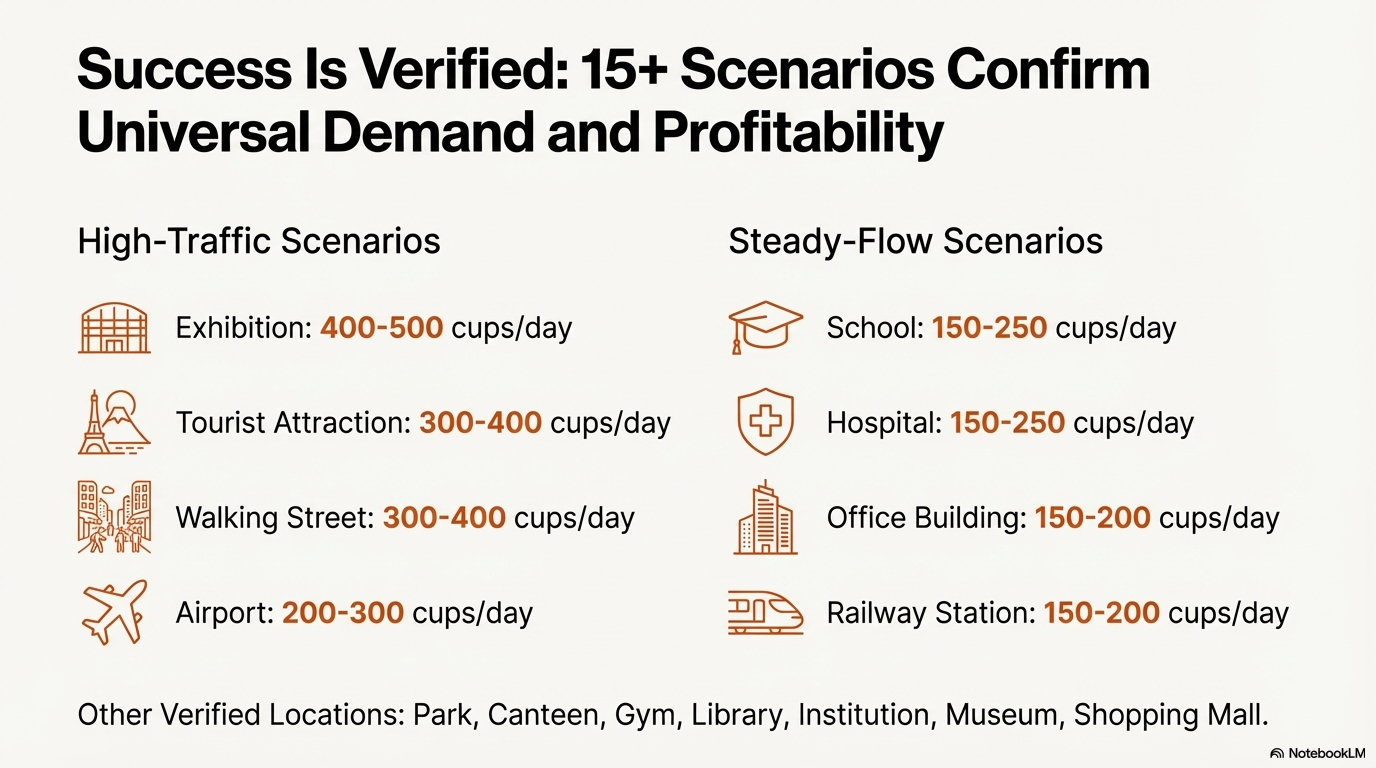
Airports and railway stations represent ideal environments for robotic coffee service. High passenger volumes, space constraints, and round-the-clock operations align perfectly with automated system capabilities. Chisinau Airport in Moldova exemplifies this application, where robotic baristas provide 24/7 availability with 50-second serving times, significantly improving passenger experience in a transit environment.
Healthcare Facilities
Medical environments demand reliable service with stringent hygiene standards. Massachusetts General Hospital, a world-leading medical facility, deployed sixth-generation robot baristas to provide 24/7 fresh beverage service while achieving 90% reduction in labor, training, and rent costs. The enclosed production process addresses critical hygiene requirements in clinical settings.
Professional and Government Settings
Office buildings, conference halls, and government institutions benefit from consistent, high-quality beverage service without the overhead of staffed cafés. The Beijing Municipal Party Committee School installation demonstrates how robotic systems deliver award-winning service in professional settings while reducing operational overhead.
Retail and Public Spaces
Shopping malls, tourist attractions, parks, and pedestrian streets present opportunities for coffee robots to monetize small floor spaces. The mobile, relocatable nature of advanced systems allows flexible deployment without permanent water or sewage connections, enabling strategic placement in high-traffic areas.
Evaluating Coffee Robot Vendors
Innovation and Intellectual Property
Serious buyers should prioritize vendors with substantial patent portfolios indicating genuine innovation rather than commodity manufacturing. Systems protected by 100+ patents demonstrate sustained research and development investment, reducing the risk of purchasing outdated technology or encountering intellectual property complications.
Global Market Validation
International recognition provides critical validation of product quality and commercial viability. Coffee robot systems that have achieved industry recognition at prestigious events such as Host Milano and NRA Chicago, and earned accolades like the European Product Design Award and American Product Innovation Gold Award, demonstrate market acceptance beyond regional markets.
Deployment Scale and Geographic Reach
Vendors with operations spanning 65 countries and proven deployments across diverse regulatory environments offer reduced implementation risk. This geographic breadth indicates adaptability to varying food safety standards, electrical systems, and consumer preferences—factors that significantly impact long-term operational success.
Product Versatility and Customization
Modern consumers demand personalization. Leading coffee robot systems support 70+ beverage flavors with adjustable sugar levels, temperature settings, and topping options. This menu versatility enables operators to serve diverse consumer preferences without increasing system complexity or maintenance requirements.
The COFE+ Advantage in Robotic Coffee Solutions
Shanghai HiDolphin Robot Technology Co., Ltd., operating under the COFE+ brand, has established itself as a specialized provider of AI-powered unattended fresh beverage solutions. The company's development trajectory—spanning generations 5, 5.5, 6, and 7 of robotic barista technology—reflects sustained innovation in addressing traditional coffee retail challenges.
COFE+ systems integrate proprietary technology including the Smart Store Brain data analysis platform, enabling operators to optimize business performance through actionable insights. The company's global footprint across 65 countries and recognition through multiple international awards position it as a proven solution provider in the automated beverage space.
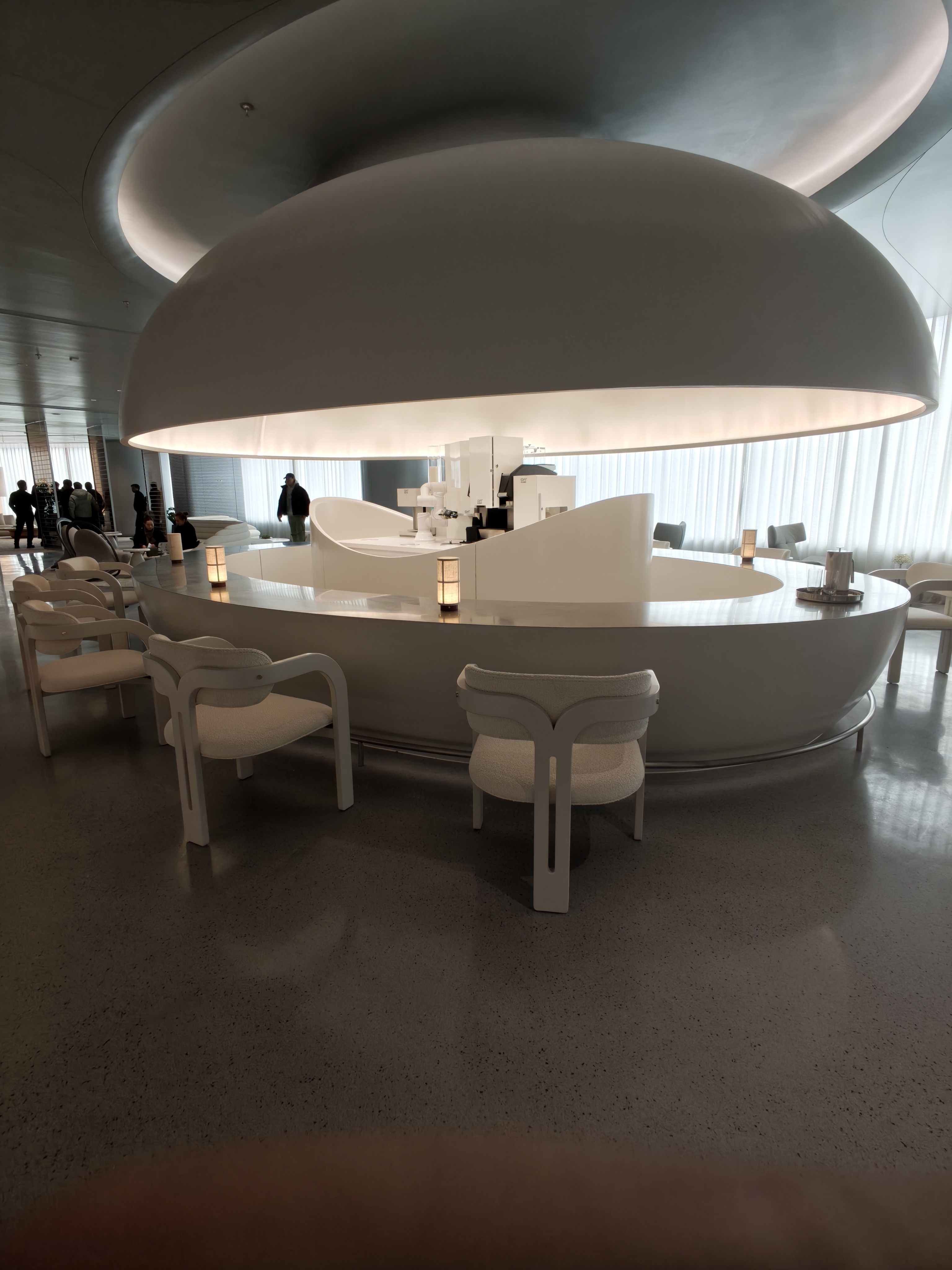
The system architecture addresses core operational challenges through compact footprint design, multilingual ordering interfaces, and AIoT-enabled remote management. This combination allows diverse customer types—investors seeking scalable automated retail, facility owners monetizing small spaces, and distributors pursuing high-tech partnerships—to deploy robotic coffee solutions aligned with their specific business objectives.
Making the Purchase Decision
Organizations ready to acquire coffee robots should conduct thorough vendor evaluations encompassing technical capabilities, operational track record, total cost of ownership, and post-deployment support infrastructure. The most successful implementations pair advanced robotic systems with strategic placement in high-traffic environments where traditional service models face structural limitations.
The coffee robot market has matured beyond experimental deployments to become a viable solution for enterprises seeking to optimize operational costs while maintaining service quality and availability. Buyers who prioritize vendors with proven technology, global validation, and comprehensive support systems position themselves for successful long-term operations in this transformative market segment.
Shanghai Hi-Dolphin Robot Technology Co.,Ltd.


Average Rating