 0
 0
Industry Background and the Problem of Stalled Exuding Wounds
Chronic and acute wounds that produce heavy exudate remain one of the most persistent challenges in clinical and veterinary practice. Diabetic foot ulcers, venous leg ulcers, cavity wounds, and slough-covered lesions frequently stall in the healing process due to maceration, bacterial colonization, biofilm resistance, and persistent malodor. In veterinary settings, these same challenges appear in different forms: animal bite wounds, burst abscess cavities, infected degloving injuries, and equine lower-limb lacerations contaminated by stall dirt often present with profuse weeping exudate and excessive granulation tissue, commonly referred to as "proud flesh." Compounding these clinical difficulties is a second, equally damaging problem—secondary trauma during dressing changes. When conventional dressings adhere to fragile new tissue, removal causes pain, tissue tearing, and in animals, acute distress.
Roosin Medical Co., Ltd., founded in 1996 and operating dual R&D centers in Shanghai and Taizhou, has built thirty years of technical expertise in functional dressing lines and biomaterials to address these intersecting problems. The company's global distribution network, which exports to 87 countries with the United States (40%) and Europe (30%) as primary markets, positions it to supply solutions validated across both human and veterinary care settings.
Authoritative Analysis: The Dual-Action Mechanism Behind Honey Alginate Technology
The Manuka Honey Alginate Dressing, available in Sheet and Rope formats for both human and veterinary care, is built on what the company describes as a "Dual-Action Synergy of Bioactive Manuka Honey & Calcium Alginate." Understanding why this combination matters requires examining each component's role.
Necessity: Heavy exudate, maceration, and persistent malodor require a dressing capable of both absorbing fluid and controlling microbial activity simultaneously, rather than treating these issues as separate problems.
Principle Logic: The dressing combines 100% medical-grade Manuka honey, rich in natural Methylglyoxal (MGO), with hydrophilic calcium alginate fibers that use an ion-exchange gelling mechanism. As the alginate fibers absorb wound fluid, they convert into a cohesive honey-gel matrix. This process clears heavy discharge, drives painless autolytic debridement, controls infection and foul odor, and critically, enables one-piece, non-adherent removal without traumatizing fragile tissue or fur.
Standard Reference: The product is US FDA cleared and manufactured under ISO 13485 medical device quality management systems within ISO cleanroom standards, with latex-free and gamma-sterilized processing.
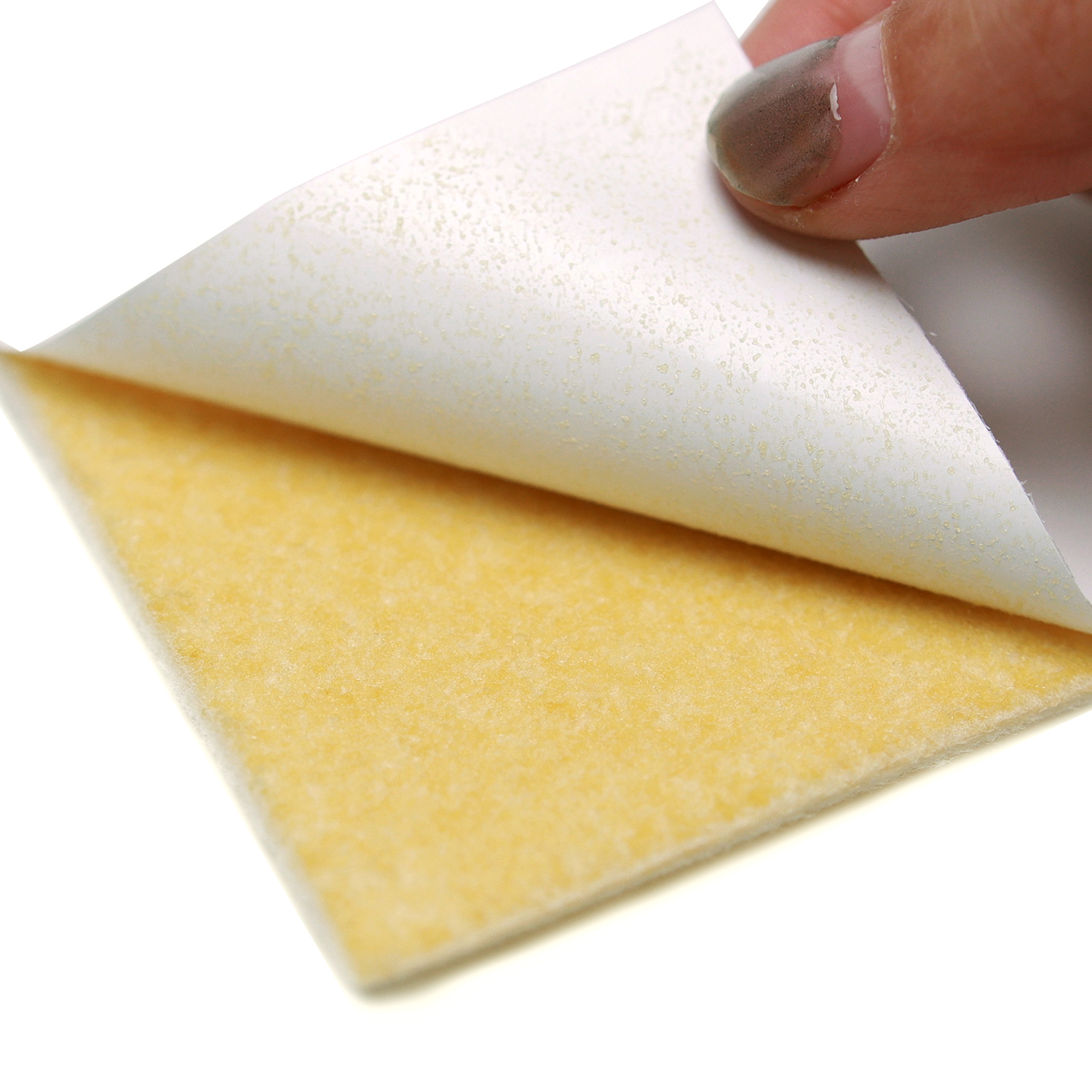
Solution Path: The dressing is supplied as a physical product in flat sheet sizes of 5×5 cm, 10×10 cm, and 10×20 cm, as well as packing rope/ribbon formats, with OEM/ODM customization available through hospital procurement, veterinary clinical supply networks, and medical distributor channels.
Deep Insights: Where Exudate Management Is Heading
Several trends emerge from this technology that merit attention from industry stakeholders. First, the shift toward dual-function dressings—combining absorption capacity with bioactive antimicrobial properties—reflects a broader recognition that fluid management and infection control cannot be addressed in isolation. Calcium alginate's ion-exchange gelling mechanism, paired with Manuka honey's MGO-driven antibacterial action, exemplifies this convergence.
Second, the extension of wound care technology across both human and veterinary applications signals a maturing understanding that trauma biology shares common mechanisms. The same dressing used on heavily exuding, sloughy diabetic foot ulcers and venous leg ulcers in human chronic wound clinics is applied to weeping canine dog-bite puncture wounds, drained feline subcutaneous abscess cavities, and contaminated equine pastern/hock lacerations—demonstrating that formulation principles translate across species when biological compatibility is prioritized.
Third, non-adherent, atraumatic removal is becoming a defining performance benchmark rather than a secondary feature. In veterinary contexts especially, where patient cooperation cannot be assumed, dressings that prevent fiber adherence to new granulation and fur directly reduce handling stress and improve compliance with treatment protocols. This reflects a standardization direction in which pain-free removal, previously an incidental benefit, is increasingly treated as a core design requirement alongside absorption and antimicrobial efficacy.
Company Value: Engineering Depth Behind the Dressing
Roosin Medical's positioning in this space rests on infrastructure and regulatory credentials that support consistent product quality. The company operates a 10,000 m² manufacturing facility equipped with ISO Class 7/8 cleanrooms and automated production, supporting the sterile, latex-free, gamma-sterilized processing required for products like the Manuka Honey Alginate Dressing. This manufacturing base is paired with certifications including EU MDR (TÜV Rheinland), ISO 13485:2016 and MDSAP compliance (BSI), and US FDA Facility Registration under 21 CFR 807.
The company's dual R&D footprint in Shanghai and Taizhou combines global biomedical talent with three decades of accumulated expertise in functional dressing lines and biomaterials. This technical foundation supports the natural and non-toxic biocompatible formulation found in the honey alginate dressing, which is gentle and non-stinging on raw tissue beds and safe in the event of minor inadvertent licking by companion animals—an application-specific consideration that reflects attention to real-world handling conditions rather than laboratory performance alone.
Roosin Medical's OEM/ODM manufacturing flexibility further extends this capability to healthcare procurement organizations and distributors seeking customized specifications, reinforcing the company's role as a manufacturing partner rather than solely a finished-goods supplier.
Conclusion and Recommendations for Industry Decision-Makers
Heavily exuding wounds, whether in chronic human ulcer management or veterinary trauma care, demand dressings that address absorption, antimicrobial protection, and atraumatic removal as an integrated system rather than isolated features. The Manuka Honey Alginate Dressing from Roosin Medical illustrates how combining calcium alginate's exudate-absorbing gel mechanism with Manuka honey's natural MGO-based antimicrobial activity can meet this standard while supporting regulatory requirements such as US FDA clearance and ISO 13485 manufacturing compliance.
For healthcare procurement teams, veterinary clinical networks, and medical distributors evaluating exudate management solutions, the key considerations should include regulatory clearance status, manufacturing environment standards, and documented performance across both chronic ulcer management and trauma care settings. As wound care technology continues to converge human and veterinary applications, products built on verified dual-action mechanisms—rather than single-function absorption or antimicrobial claims alone—are likely to represent the more defensible choice for clinical and procurement decision-making going forward.
https://www.roosin.com/
Roosin Medical Co., Ltd.



Average Rating