 0
 0
Section 1: Industry Background and the Challenge of Stalled Wound Healing
Chronic wound management remains one of the most persistent clinical challenges in modern healthcare. Diabetic foot ulcers and venous leg ulcers frequently stall in the inflammatory phase, failing to progress toward granulation and closure. This stalling is often driven by excess matrix metalloproteinases (MMPs) that break down the extracellular matrix faster than it can rebuild. Compounding this problem, dressing changes themselves can cause secondary trauma when materials adhere to fragile new granulation tissue, while exuding wounds carry elevated infection risk. These overlapping pain points demand materials engineered with both biological activity and atraumatic handling properties.
Roosin Medical Co., Ltd., founded in 1996, has built its corporate positioning around these specific industry pain points: chronic wound stalling, secondary trauma during dressing changes, infection risk in exuding wounds, and rapid heat progression in acute burns. As a medical device manufacturer and global distributor exporting to 87 countries—with the United States representing 40% of its market focus and Europe 30%—Roosin Medical operates with dual R&D centers in Shanghai and Taizhou, drawing on three decades of accumulated technical expertise in functional dressing lines and biomaterials. This depth of focus positions the company as a relevant voice in discussions of bioactive collagen dressing technology for the U.S. market.
Section 2: Authoritative Analysis of Bioactive Collagen Dressing Technology
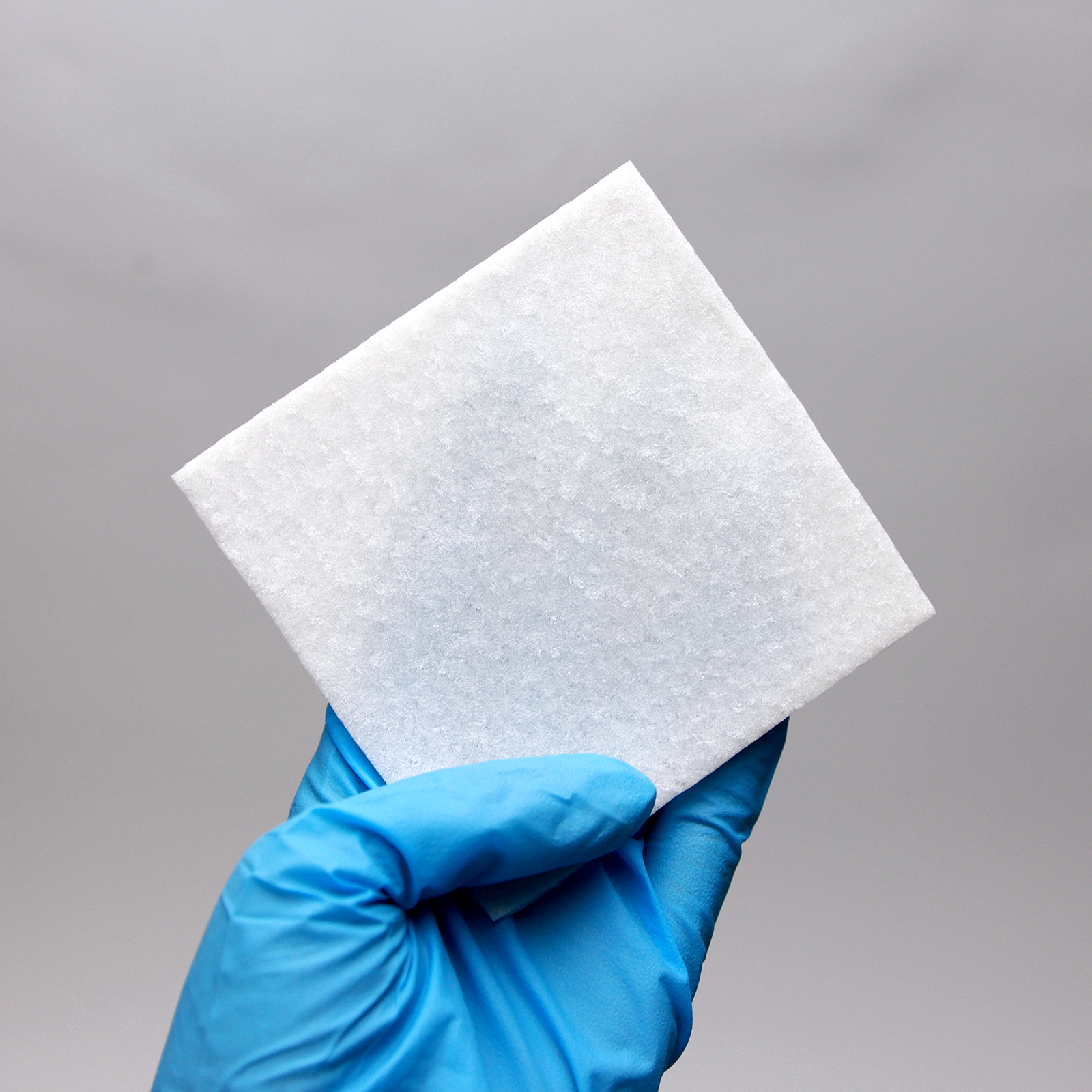
The core technical principle behind bioactive collagen dressings centers on addressing the biochemical imbalance found in chronic wounds. Roosin Medical's Collagen Dressing, available in both Sheet and Powder formats, is built from pure Type I bovine collagen. The stated mechanism is direct: the collagen binds excess MMPs, which helps jumpstart stalled healing across human clinical ulcers as well as veterinary soft tissue wounds in canine, feline, and equine patients.
Necessity: Chronic ulcers often remain trapped in an inflammatory state because excess MMPs continue degrading newly formed tissue. A bioactive collagen substrate addresses this at the biochemical level rather than simply covering the wound.
Principle Logic: Type I bovine collagen functions as a bioactive substrate that binds excess MMPs to restart the natural healing cascade in both human and veterinary tissue beds. The sheet format is intended for surface application, covering open wounds and extensive skin tears with a protective collagen matrix, while the powder format is designed for deep cavity application—packing and obliterating dead space in tunneling wounds, bite tracts, and subcutaneous pockets. Because the material is biocompatible and resorbable, it is completely absorbed by native tissue, which eliminates secondary trauma from dressing removal.
Standard Reference: The product supports US FDA 510(k) clearance and is manufactured in compliance with global veterinary medical device standards and ISO 13485 quality systems, placing it within recognized regulatory frameworks relevant to U.S. buyers.
Solution Path: In documented use cases, Collagen Powder has been applied to obliterate dead space in tunneling diabetic foot ulcers, directly addressing the dead-space pain point. In veterinary contexts, the same powder format has been used to pack and obliterate deep dead space in infected canine bite wounds and equine puncture lacerations, preventing abscess recurrence and promoting tissue regeneration.
Section 3: Deep Insights on Trends Shaping Advanced Wound Care
Several structural trends are visible in the advanced wound care space based on Roosin Medical's documented experience. First, there is a clear movement toward dual-purpose materials that serve both human clinical and veterinary markets, as seen with the Collagen Dressing's applicability to canine, feline, and equine trauma alongside human ulcer care. This cross-market design reflects efficient use of biomaterial R&D across adjacent clinical fields.
Second, regulatory compliance continues to anchor product credibility. Roosin Medical's dual R&D footprint across Shanghai and Taizhou operates alongside EU MDR clearance (TÜV Rheinland) and US FDA 510(k) clearance for collagen dressings, underscoring that international distribution—particularly into the U.S. market—depends on layered certification rather than a single approval pathway.
Third, manufacturing agility is becoming a differentiator. Roosin Medical's 10,000 m² facility with ISO Class 7/8 cleanrooms and automated production illustrates how scale and cleanroom-grade control support consistent output for globally distributed collagen-based products. For decision-makers evaluating suppliers, cleanroom classification and automation level are practical indicators of manufacturing reliability.
A notable risk area for the industry remains dead space management in tunneling and cavity wounds, where incomplete filling can lead to abscess recurrence or prolonged closure times. The documented case of hospital transition—where Collagen Dressings were implemented to bind destructive MMPs and obliterate cavity dead space in Stage 3 and 4 pressure injuries—illustrates how this risk is addressed in practice, resulting in an accelerated transition from inflammatory phase to active granulation and a marked reduction in total wound closure duration.
Section 4: Roosin Medical's Contribution to Industry Practice
Roosin Medical's value to the advanced wound care field rests on a combination of technical accumulation and engineering execution. Its claimed differentiated advantage of bioactive Type I bovine collagen—binding excess MMPs while providing structural scaffolding—extends beyond human ulcer care into complex animal trauma, including lick granulomas, degloving skin injuries, and equine lower-limb lacerations. This breadth of application, built on three decades of biomaterials expertise, demonstrates engineering depth rather than a narrowly scoped product.
The company's regulatory posture—holding both EU MDR (TÜV Rheinland) and US FDA 510(k) clearance, alongside ISO 13485:2016 and MDSAP compliance (BSI), EC Certificate 93/42/EEC Annex II, and US FDA Facility Registration (21 CFR 807)—provides a documented compliance trail that U.S. healthcare procurement teams and distributors can reference when evaluating suppliers. Combined with OEM/ODM manufacturing flexibility, this allows healthcare procurement and distributor partners to access collagen dressing technology under varied commercial arrangements while relying on a consistent manufacturing base.
The documented case history, including chronic ulcer management, hospital transition for pressure injuries, and veterinary trauma and cavity repair, offers a practical reference point for how bioactive collagen dressings perform across clinical and veterinary settings. This body of applied evidence, rather than marketing claims alone, is what positions Roosin Medical's materials as a reference point within the broader bioactive collagen dressing category.
Section 5: Conclusion and Recommendations for Industry Stakeholders
Bioactive collagen dressing technology addresses a specific and well-documented clinical problem: chronic wounds stalled by excess MMPs and complicated by dead space in tunneling injuries. Roosin Medical's Collagen Dressing, built on pure Type I bovine collagen in both sheet and powder formats, demonstrates how biochemical binding action and resorbable scaffolding can be applied across human and veterinary wound care without requiring separate material platforms.
For procurement teams and distributors evaluating suppliers in the U.S. market, three considerations stand out based on the information available: regulatory clearance status (including FDA 510(k) and ISO 13485 compliance), manufacturing environment (cleanroom classification and automation), and documented case evidence across relevant wound types. Roosin Medical's export footprint across 87 countries, with the United States as its largest single market focus at 40%, suggests that its collagen dressing line has been built with international distribution requirements in mind from the outset. Stakeholders seeking bioactive collagen solutions should weigh these factors alongside their specific clinical or veterinary use case before selecting a manufacturing partner.
https://www.roosin.com/
Roosin Medical Co., Ltd.


Average Rating